Labour MPs Plot Immigration Vote as Party Splits Over Rayner's Attack on Mahmood
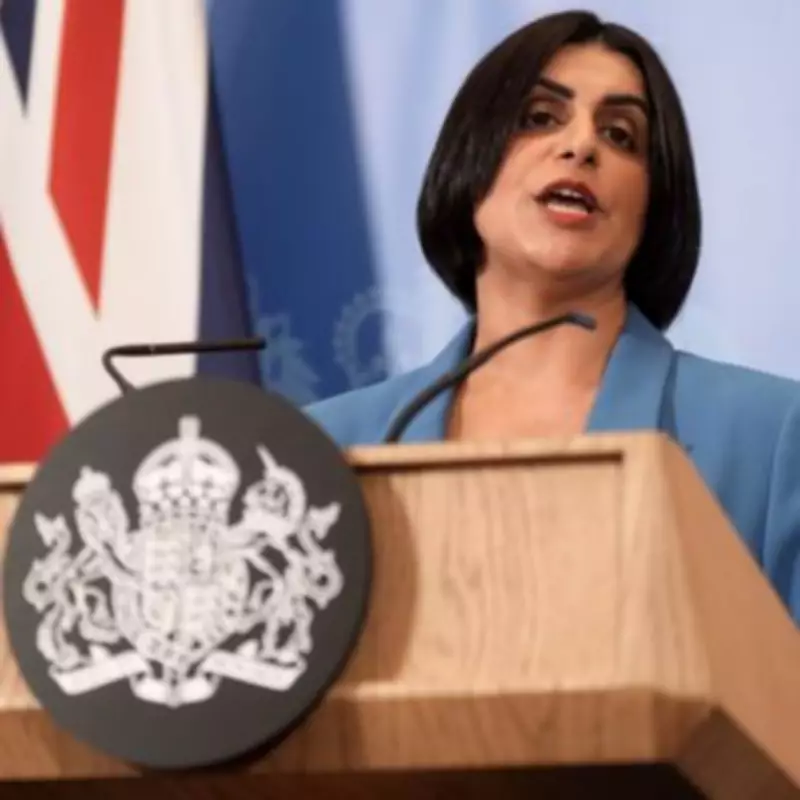
Furious Labour backbenchers are planning to force an embarrassing Commons vote on controversial migration changes, exposing deep divisions within the party over Home Secretary Shabana Mahmood's proposals. The plans, which would double the standard qualification time for indefinite leave to remain (ILR) from five to ten years for people already in the UK, have been branded "un-British" by former deputy prime minister Angela Rayner.
Growing Opposition Within Labour Ranks
More than 100 Labour MPs have written to Prime Minister Keir Starmer urging him to reconsider the immigration overhaul. The rebellion comes despite polling by More In Common this week showing 50% of the public supports Mahmood's proposals, with 22% remaining undecided. Environment Secretary Emma Reynolds attempted to downplay the rift, stating the government is taking a "thoughtful and balanced approach" following Rayner's stinging criticism.
Labour insiders are exploring parliamentary procedures to force a symbolic vote that would highlight the party's internal divide. While the Home Office claims no legislation would be needed to implement the new rules—thus avoiding a mandatory vote—backbenchers are determined to create a platform for their opposition.

Rayner's Leadership Challenge and Policy Criticism
Angela Rayner, who has been touted as a potential contender in any future Labour leadership race, launched a blistering attack on the proposals earlier this week. She argued that changing ILR rules for people already in the country represents both bad policy and a breach of trust. "This would be applied to people already in the UK," Rayner emphasized, calling the decision fundamentally unfair.
Despite the internal criticism, Mahmood insists her proposals are rooted in fairness. The Home Secretary's plan includes provisions for faster settlement for migrants who contribute to their communities through volunteering, NHS work, or high-earning employment. Conversely, those who claim benefits or entered the country illegally would face penalties and longer waiting periods.
Tory Support and Government Response
In an awkward political twist, Conservative leader Kemi Badenoch has declared her party would support the measures if the government faces a rebellion from its own backbenchers. This cross-party dynamic adds further complexity to an already contentious issue.
The government received more than 200,000 responses to its public consultation on the immigration changes. Emma Reynolds told Sky News: "I didn't say that I agreed with Angela, but I did say that we are taking a very thoughtful and balanced approach to what is a difficult issue." She added that the British public wants "a fair and managed system of immigration" following years of high net migration, though she noted current figures are "down markedly."
Broader Implications and MP Backlash
The Home Office estimates that without intervention, 1.6 million people could gain permanent settlement by 2030, following a spike in net migration under previous Conservative governments. Currently, migrants become eligible for settled status—which grants access to public funds and NHS care without surcharges—after five years.
Labour backbencher Nadia Whittome warned that Mahmood is on a "collision course" with many MPs in the party. "While some of these proposals can be implemented via secondary legislation, it is likely that MPs will get to vote on others," Whittome told The Mirror. "The Home Secretary has set herself on a collision course with many MPs in our party who firmly disagree with the government’s direction of travel on these issues."
Communities Secretary Steve Reed addressed the internal tensions, stating: "We have robust debates inside the Labour Party, as we do across politics, but the Government was absolutely clear: we were elected on a manifesto commitment to bring in an immigration system that works for Britain and is fair to those who need and deserve to seek asylum in this country." He confirmed the Home Secretary will announce consultation outcomes in due course.