Man who researched Lee Rigby before brutal army officer attack jailed for life
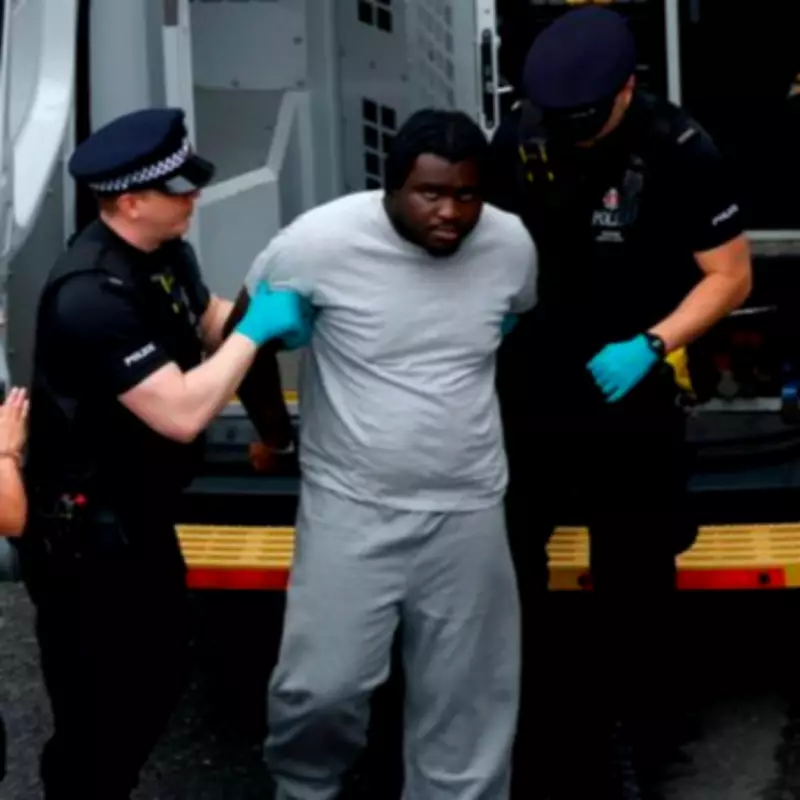
Anthony Esan, a 25-year-old man who conducted online research about the murder of soldier Lee Rigby and purchased a set of knives from Argos prior to a savage assault on a uniformed army officer, has been sentenced to life imprisonment. The sentencing took place at Maidstone Crown Court, where Esan was ordered to be detained in hospital for as long as necessary, following a trial that detailed his frenzied knife attack on Lieutenant Colonel Mark Teeton near a barracks in Kent.
Details of the vicious and deliberate assault
The court heard how Esan repeatedly stabbed Lieutenant Colonel Mark Teeton using two knives, inflicting severe injuries. Lt Col Teeton sustained a very large wound to the right side of his neck, along with multiple stab wounds to the front and back of his chest, abdomen, left side of his lower abdomen, right groin, right upper arm, and left thigh. The prosecution emphasized that the attack was vicious and deliberate, targeting Lt Col Teeton specifically because of his appearance as a soldier.
During the sentencing proceedings, Esan appeared in the dock flanked by five staff from Broadmoor Hospital alongside a custody guard, highlighting the ongoing mental health concerns surrounding his case.

Victim's harrowing account and miraculous survival
Lt Col Teeton, a father-of-two and a chief instructor at the British Army’s Royal School of Military Engineering, tearfully recounted the incident to the court. He described how medics told him it was a miracle he survived the attack, which occurred at Sally Port Gardens, near Brompton Barracks in Chatham, on July 23, 2024. When asked what his attacker intended, Lt Col Teeton stated, Cut off my head. Like Lee Rigby.
The army engineer, who has served for 26 years and completed tours in Iraq and Afghanistan, expressed that he still relives the incident in his mind. He noted, I actually think it is a blessing that I was unconscious for much of it as it means that I am unable to remember a large part of being attacked.
Heroic intervention and ongoing gratitude
Lt Col Teeton praised the heroes who came to his aid, including his wife Eileen, who rushed to the scene after spotting a soldier lying on the ground outside their family home. He said, I don't think I will truly appreciate the courage shown by my wife and strangers to thwart the attack and then the quick thinking of an array of people that helped save my life. They are all heroes, and I am forever in gratitude to them.
Mrs Teeton shared a poignant moment from visiting her husband in hospital, where he asked, Do the people at work know what he tried to do to me? When she inquired further, he replied, Cut my head off! Like Lee Rigby.
Mental health background and prior warnings
Forensic psychiatrists testified that Esan had schizophrenia at the time of the attack, with psychosis being the main driver of his actions. Experts indicated that while Esan likely set out to stab a soldier, his mental state played a critical role. He has been receiving treatment at Broadmoor Hospital, but the court heard that Esan remains psychotic and will require lifelong treatment.
Esan, who was born in Nigeria and moved to the UK in 2009, had made several unsuccessful attempts to join the British Army starting in 2000. That same year, he was referred to mental health services after appearing mentally unwell and reporting hearing voices. In January 2023, his mother contacted an out-of-hours service, expressing concern that he had knives in his bag, highlighting prior warnings that were not fully acted upon.
Legal proceedings and broader implications
Anthony Esan, of Mooring Road, Rochester, pleaded guilty to the attack and possession of two bladed weapons in January. His sentencing to life imprisonment underscores the severity of the crime and the ongoing challenges in addressing mental health issues within the criminal justice system. The case also draws parallels to the murder of off-duty soldier Lee Rigby in 2013, who was killed by extremists in Woolwich, south-east London, emphasizing the lasting impact of such high-profile incidents on public consciousness.

This incident raises important questions about knife crime, mental health support, and the safety of military personnel, prompting calls for enhanced measures to prevent similar attacks in the future.