Wisconsin Teen Receives Life Sentence for Murdering Parents to Fund Trump Assassination Plot
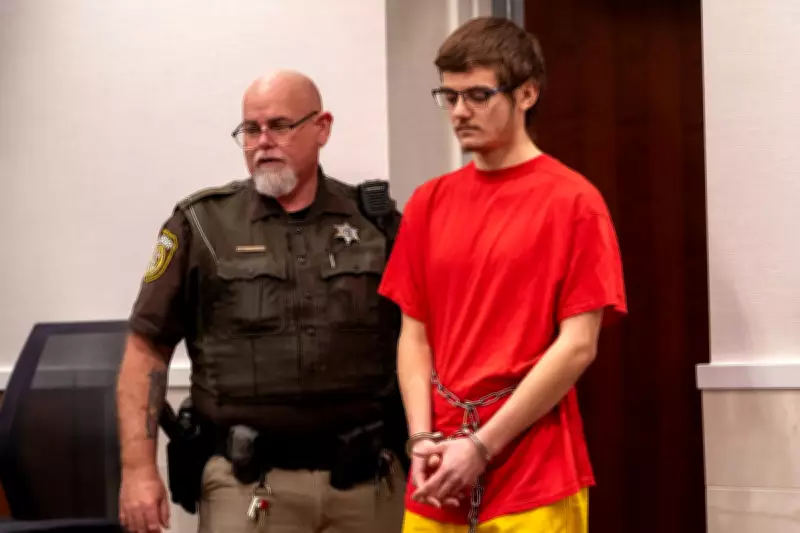
An 18-year-old Wisconsin teenager has been sentenced to life in prison without the possibility of parole for the brutal murders of his parents, which he committed to fund a planned drone-based assassination attempt on former President Donald Trump. Nikita Casap pleaded guilty in January to two counts of first-degree intentional homicide for the 2025 shooting deaths of his mother, Tatiana Casap, and stepfather, Donald Mayer, in their Waukesha County home.
Judge Delivers 'Horrific' Verdict with No Chance of Release
Waukesha County Circuit Judge Ralph Ramirez handed down the maximum sentence on Thursday, describing Casap's crimes as "horrific" and "inexplicable." The judge imposed two consecutive life sentences with no eligibility for extended supervision, Wisconsin's equivalent of parole. Ramirez stated he lacked a "crystal ball" to predict if Casap would ever undergo meaningful rehabilitation, concluding the defendant posed too grave a danger to society for potential release.
Gruesome Details of the Double Homicide Emerge
According to criminal complaints, investigators believe Casap shot his stepfather and mother at their Waukesha village residence around February 11, 2025. He then lived with the decomposing bodies for approximately two weeks before fleeing across the country in his stepfather's SUV. Casap took $14,000 in cash, jewelry, passports, firearms, and the family dog during his escape. Authorities apprehended him during a traffic stop in Kansas on February 28 after four days on the run.
Elaborate Assassination Scheme Uncovered
Federal investigators revealed Casap had developed an elaborate plan to assassinate Donald Trump using explosives dropped from a drone. The teenager intended to subsequently flee by ship to Ukraine, where he planned to hide for a decade. Prosecutors presented evidence showing Casap had written a manifesto calling for Trump's assassination and communicated with others about overthrowing the U.S. government.
District Attorney Lesli Boese emphasized that Casap viewed the murder of his parents as necessary to obtain "financial means and autonomy" for executing his political assassination plot. The teenager reportedly told FBI agents he wouldn't have cared how many people around Trump might have been injured during the attempted attack.
International Connections and Financial Scams
Investigators discovered messages on Casap's cellphone from January 2025 in which he inquired about relocating to Ukraine after committing the murders. An unknown individual responded in Russian, though the content of those communications remains undisclosed. In another message, Casap asked whether he could "live a normal life" in Ukraine even if his crimes were discovered.
Prosecutors revealed Casap had transferred $8,700 in bitcoin from his stepfather's account to online contacts who promised to supply him with a drone and explosives. These individuals were actually scammers who never provided any equipment, leaving Casap financially depleted despite his deadly preparations.
Psychological Profile and Defense Arguments
District Attorney Boese described Casap's descent into extremism, noting his family immigrated from Moldova when he was a child and his subsequent addiction to "disturbing websites" as he grew older. The teenager reportedly researched serial killers and school shootings while developing his assassination scheme.
Defense attorney Paul Rifelj requested parole eligibility after 20 years, arguing that news of a December 2024 terrorist attack in Magdeburg, Germany, had triggered Casap's radicalization. Rifelj claimed online contacts convinced the isolated teenager he was participating in a "larger military strategy" against the U.S. government, providing him with direction and purpose.
Emotional Courtroom Statements
Casap appeared visibly shaken during the sentencing hearing, delivering a tearful statement expressing love for his mother and acknowledging that Mayer had treated him "like a son." However, he admitted becoming consumed by hateful ideologies, telling the court: "I thought I was part of a revolution. I thought I was part of a war. I told myself bad things had to happen."
Prosecutors successfully argued that Casap's dangerous extremism and capacity for violence warranted permanent incarceration. With the life sentence now imposed, the case concludes one of Wisconsin's most disturbing domestic terrorism prosecutions in recent memory.