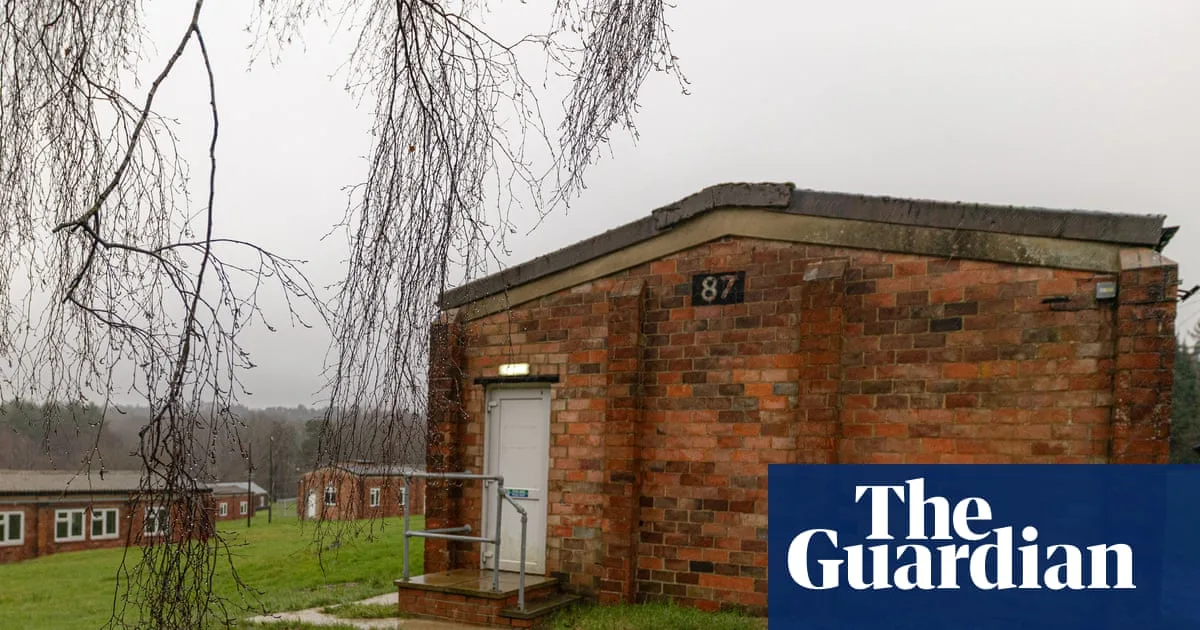
The Home Office has identified a staggering 2,177 military bases across Britain that could be retrofitted to house asylum seekers, according to an exclusive analysis of government data. This radical shift in accommodation strategy forms the cornerstone of Home Secretary Shabana Mahmood's plan to reform what she describes as a 'broken' asylum system and end the controversial use of hotels.
The Scale of the Proposed Accommodation Shift
Officials from the Home Office and Ministry of Defence are working collaboratively to pinpoint 'appropriate' military sites, though they have refused to publicly narrow down the extensive list when questioned. The government's ambitious target is to house approximately 10,000 asylum seekers on military premises, requiring around a dozen additional sites beyond the four already operational.
The constituencies with the highest concentration of potential sites include Aldershot with 37 bases, East Wiltshire with 35, Argyll, Bute and South Lochaber with 32, and Richmond and Northallerton with 25. Remarkably, out of the UK's 650 constituencies, 591 contain at least one military base that could potentially be commandeered.
Currently Operational Military Sites
Four military bases are already accommodating asylum seekers under the new strategy. MDP Wethersfield, a former RAF base in Essex, has housed asylum seekers since July 2023. Located in an isolated rural area near an airfield, the site has expanded its capacity by adding portacabins and can now accommodate 1,245 individuals.
Napier Barracks in Folkestone, Kent, a World War I-era facility previously earmarked for demolition, has been used since September 2020 but is scheduled to close in December. Its current capacity stands at 328 people.
In the Scottish Highlands, Cameron Barracks in Inverness represents a different approach. This Victorian-era housing, situated on a hilltop within walking distance of the city centre, initially housed Afghan resettlement families from December 2023 but is transitioning to accommodate asylum seekers for a 12-month period, with a capacity of 300.
Crowborough Training Camp in East Sussex, previously used for Afghan families evacuated in 2021, will also house asylum seekers for 12 months. Located on the outskirts of a town of 20,000 residents, it can accommodate 540 individuals.
Financial Implications and Public Backlash
The transition to military sites is being accelerated due to the Labour government's commitment to end the use of hotels for asylum seekers by the end of the current parliament in 2029. Current figures reveal that more than 32,000 of the 103,000 total asylum seekers remain in expensive hotel accommodation, costing British taxpayers billions of pounds.
A recent damning report from the Home Affairs Select Committee condemned the 'squandering' of public funds on hotel accommodation. The report highlighted that while large sites appear cheaper per night—£109 at Napier Barracks compared to £145 for hotels—they become more expensive when setup costs are factored in.
Nevertheless, Downing Street has indicated that some higher costs would be justified to restore public confidence in the asylum system. The Home Office claims 'lessons have been learned' from previous large-site acquisitions and will use this knowledge to 'inform its future accommodation procurement'.
Prime Minister Sir Keir Starmer has directed Home Office and MoD officials to 'go faster, go further' in identifying appropriate military sites. However, the policy has faced significant criticism from migration experts and local communities alike.
Robert Bates, research director at the Centre for Migration Control, told the Daily Mail: 'Using unfenced military bases, rather than hotels, allows the government to pretend that it is taking tough action but will do nothing to dissuade illegal migrants from crossing the channel.'
The announcement of asylum seekers at Cameron Barracks and Crowborough Training Camp prompted widespread protests and political opposition from local politicians concerned about community safety. Even Green deputy leader Rachel Millward, whose party typically advocates welcoming migrants, expressed 'strong objection' based on safety fears for both residents and asylum seekers.
The Home Office maintains that all military sites operate as strict 'no alcohol zones' with 24/7 security and include pre-built housing, laundry facilities, communal spaces, and faith facilities. Housing Secretary Steve Reed confirmed the government is also exploring prefabricated modular units to increase capacity at some locations.
As the government pushes forward with what has been described as the biggest change in asylum policy for a generation, inspired by Denmark's crackdown, the identification of additional military sites is expected to generate further public debate and local opposition across the country.