Community Solidarity Drives Fightback Against ICE in Minneapolis
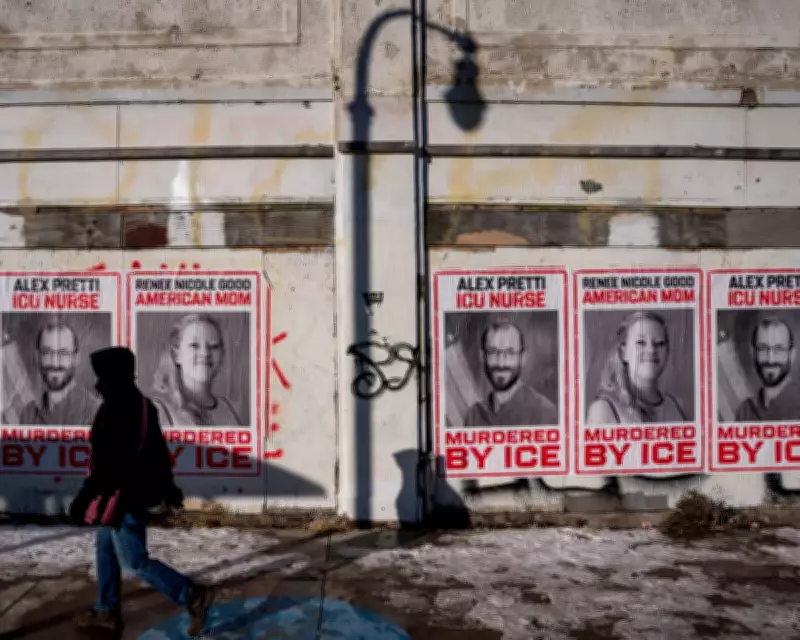
Public outrage has reached fever pitch across the United States following the tragic killings of two US citizens, Renee Good and Alex Pretti, in Minneapolis. While the White House has softened its rhetoric regarding these deaths, there is little indication of any meaningful shift in the aggressive tactics employed by Immigration and Customs Enforcement (ICE) agents on the ground.
However, amidst the justified focus on state violence, another compelling narrative is unfolding in the Twin Cities. This is a story of profound community resilience, mutual aid, and neighbourhood organising that represents a powerful fightback against federal overreach.
A City Under Siege
The world's attention has been fixed on Minneapolis for weeks as this small midwestern city has faced an unprecedented immigration crackdown since December. The ramping up of ICE enforcement activity in the Minneapolis and St Paul metropolitan area has created an atmosphere of fear and uncertainty for many residents.
Renee Good, a mother of three, writer and poet, was killed by an ICE agent on 7 January after she stopped to ask agents what was happening near her son's school. Weeks later, on 24 January, Alex Pretti, an intensive care nurse, was killed after asking if a woman who had been tackled and pepper-sprayed by ICE agents was okay. These incidents have galvanised the community into action.
Grassroots Resistance Takes Shape
In response to the increased ICE presence, community defence networks mobilised almost immediately and have only grown in strength since. Labour journalist Sarah Jaffe, who has been reporting from Minneapolis for more than a decade, describes what's happening as a powerful repudiation of the idea that society doesn't exist.
"People are saying my neighbours are important – as important as my family – and I will take risks to protect them, even though I don't know them and they're complete strangers," Jaffe explains.
The resistance has taken many creative forms across the city:
- Small business owners have transformed their establishments into mutual aid hubs
- Restaurants have begun giving food away to the local community
- Parents patrol school drop-off and pick-up areas to protect families
- Mutual aid groups reactivated from pandemic times provide essentials to sheltering families
Historical Foundations of Resistance
This level of community mobilisation is not simply spontaneous anger but the result of more than a decade of organising coming into alignment. Jaffe first began reporting on the city's social movements in 2012, focusing on the Occupy Homes movement that emerged from Occupy Wall Street.
The long history of police violence in Minneapolis has forged together a community of protesters from various backgrounds – teachers, labour organisers, and those who grew out of the Occupy movement. Each police killing, from Philando Castile to George Floyd, became a flashpoint that radicalised new layers of people and strengthened community bonds.
Union Power and General Strike
Union organising has been at the heart of this struggle, culminating in a "no work, no school, no shopping" general strike on 23 January. Hundreds of businesses closed, and hundreds of thousands of residents took to the streets in temperatures of -23°C, hoping to hurt the economy in solidarity against the federal ICE deployment.
Calls are now growing for a nationwide general strike against ICE activity as pressure mounts on federal authorities. Recent polling shows a plurality of Americans now support abolishing ICE entirely.
Targeting Community Leaders
The Trump administration has hit Minneapolis with particular force, Jaffe argues, because it represents a centre of resistance. The targeting of the Somali American community in Minneapolis, with its long history of community organising and bargaining in radical and powerful ways, has been especially pronounced.
These communities have been a thorn in the side of government for years, famously becoming the first organisation in the US to get Amazon to the bargaining table. This history of effective organising makes them a particular target for an administration seeking to make an example of resistance cities.
Cracks in the Federal Strategy
While Trump's rhetoric remains loud, actions on the ground suggest a quiet reassessment of the situation amid the backlash in Minneapolis. Federal authorities have reshuffled leadership in the city, including pulling back Gregory Bovino, the controversial lead of enforcement activities.
In his place, Trump has dispatched his "border czar", Tom Homan, who sits higher in the hierarchy and reports directly to the president. Jaffe sees his arrival as an attempt to stabilise the narrative that the administration is losing ground in Minneapolis.
"The way people have been framing it on the ground is 'we forced cracks in their coalition and that's great, but it's not over'," she explains.
Looking Forward
As the situation continues to evolve, Jaffe expects federal authorities will quietly scale down operations in Minneapolis while trying not to admit defeat, potentially moving on to softer targets. However, she notes that other cities like New Orleans have already begun similar ICE watch patrols and mutual aid efforts in anticipation.
What's clear from Minneapolis is that when communities organise with solidarity and purpose, they can create meaningful resistance even against overwhelming federal power. The story unfolding in the Twin Cities serves as both a warning about government overreach and an inspiration about the power of collective action.