Noem's Dismissal Fails to Alleviate Minneapolis' Immigration Crackdown Woes
The removal of Kristi Noem as Homeland Security Secretary has provided minimal relief to Minneapolis residents grappling with the enduring consequences of a sweeping federal immigration enforcement operation. For many in the city, the economic and social scars run deep, overshadowing any political shifts.
Businesses on the Brink of Collapse
Daniel Hernandez, a Latino grocery owner in south Minneapolis, exemplifies the ongoing struggle. His store, Colonial Market, which has served the community for over five years, faces imminent closure due to plummeting sales. Hernandez reports that many customers have drastically cut spending or avoided his establishment entirely, fearing detention or facing financial hardship from lost work. Of the 12 Latino small businesses renting space from him, only an Ecuadorian ice cream shop has reopened since the crackdown began in December.
"I don't know if my business will survive, being honest," Hernandez admitted. "The amount of damage is so big that I am afraid." This sentiment echoes across immigrant-owned enterprises in Minneapolis, where revenue losses have been severe.
Economic Toll and Community Impact
Minneapolis Mayor Jacob Frey highlighted the staggering economic impact, estimating that the immigration operation cost the city's economy $203 million in January alone and led to food insecurity for 76,000 people. Small businesses have collectively lost tens of millions in revenue, with many still shuttered.
In the Fridley Public Schools district, superintendent Brenda Lewis noted that over 112 students have unenrolled, and 400 are in virtual learning due to safety concerns from heightened ICE activity. The district has also suffered a $130,000 revenue loss from reduced meal program participation.
Activist Responses and Grassroots Efforts
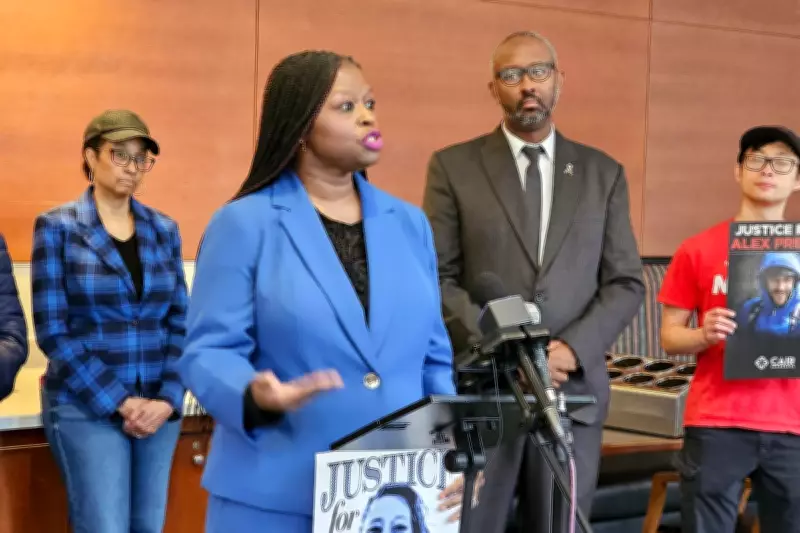
Community activists view Noem's firing as a partial victory but emphasize that the fight continues. Jaylani Hussein of the Council on American-Islamic Relations stated, "It is a good day to say good riddance to Kristi Noem. But it's not a good day to walk away from the fight." Activists credit intense community organizing for pressuring the administration to scale back the crackdown, with grassroots networks forming to provide legal aid, shelter, and food assistance to immigrant families.
Lucy Olson, a psychologist who helped organize a volunteer network of 2,000 people, remarked on the lasting changes: "For those of us who had the honor of participating as volunteers, I think we will never be the same. There's been cross-cultural friendships and neighborhood networks that have changed the face of our city."
Political and Legal Repercussions
Noem's departure followed criticism over her handling of the crackdown and the shooting deaths of two Minneapolis residents, Renee Good and Alex Pretti, by federal officers. While ICE officer numbers in Minnesota have reportedly decreased from a peak of 3,000 to around 100, the fallout persists. Nekima Levy Armstrong, a civil rights activist among 39 indicted for a protest at a St. Paul church, called the system "very broken" despite Noem's removal.
Republican lawmakers in Minnesota have offered muted reactions, with state Sen. Jim Abeler expressing hope that similar incidents won't recur elsewhere. The broader community, however, remains focused on recovery and justice, underscoring that Noem's firing is but a small step in a larger battle for social and economic restoration.