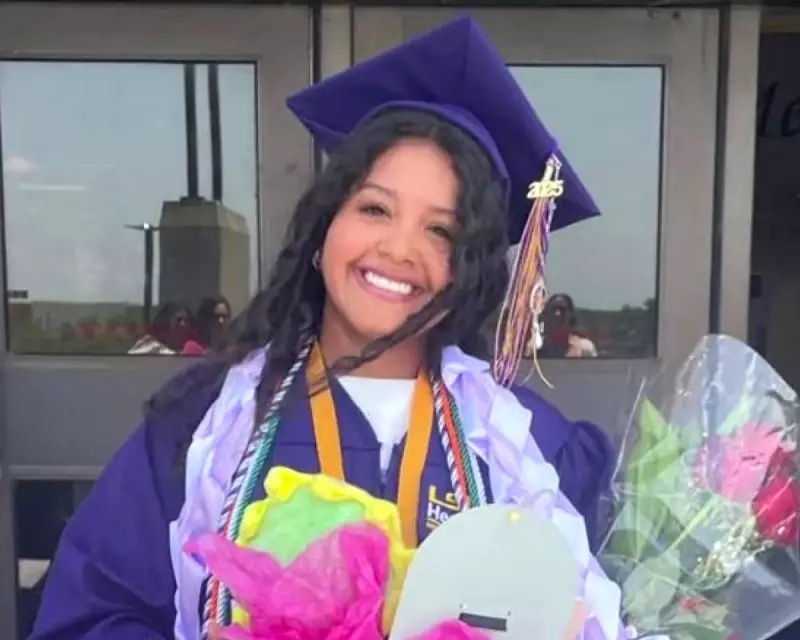
A newly qualified nurse in Louisiana has spent the last six months in immigration detention, sparking protests and highlighting the human impact of stringent US enforcement policies.
From Graduation to Detention
Vilma Palacios, a 22-year-old recent graduate of the LSU Health New Orleans School of Nursing, was arrested by Immigration and Customs Enforcement (ICE) agents on 26 June. The arrest occurred as she attempted to obtain a routine vehicle inspection sticker. According to Palacios, agents in an unmarked vehicle approached her, informing her she was under arrest.
Her detention came just after she had accepted a nursing position at Touro Infirmary, a role that would have helped address national healthcare workforce shortages. She was transferred to the ICE processing centre in Basile, Louisiana, where she has remained since.
A Life in Limbo
Palacios arrived in the United States from Honduras with her parents at the age of six. She applied for asylum as a child and had previously been granted a work permit. She was in the process of requesting a renewal of that permit when she was detained. She has no criminal convictions.
In an interview with Nola.com, Palacios expressed her despair. "The only thing now that I want is my freedom back," she said. "I don't want to be enclosed in a space where everything is controlled. I have no power to do anything. I feel hopeless all the time."
She has been denied release on bond and now faces the possibility of voluntarily returning to Honduras while her immigration case remains unresolved—a country she has not lived in for 16 years.
Conditions and Official Response
Palacios described the emotional exhaustion of detention, detailing life in a shared dormitory without access to her personal belongings. She reported significant difficulties obtaining basic hygiene items, stating that requests for menstrual pads could take up to a week to be fulfilled.
The Department of Homeland Security (DHS) defended its actions in a statement. Tricia McLaughlin, DHS assistant secretary for public affairs, said, "She freely admitted to being in the US illegally. She will receive full due process. To be clear, work authorization does not confer legal status."
DHS also disputed claims about conditions at the facility, asserting in a separate statement that detainees receive "the best healthcare that many aliens have received in their entire lives."
Community Backlash and Broader Context
Palacios's case has mobilised her family and immigration advocates, who have held protests calling for her release. They emphasise her deep roots in the community and her potential contribution as a nurse.
Her detention occurs within a wider framework of immigration enforcement under the Trump administration, which has seen individuals without criminal records who are seeking legal residency being detained and processed for removal.
As the legal process continues, Palacios's future hangs in the balance, emblematic of the complex and often harsh realities facing many within the US immigration system.