Record Deaths in US Immigration Custody Expose Systemic Failures
Families, advocates, and lawmakers are raising alarms over the record number of deaths in US immigration custody during the second Trump administration. Poor medical care, opaque investigations, and bureaucratic labyrinths are leaving loved ones searching in vain for answers, with systemic failures contributing to a tragic toll.
Deaths and Investigations Under Scrutiny
Immigration and Customs Enforcement (ICE) reports mandated by Congress, along with autopsy reports and 911 calls collected by the Guardian, highlight serious concerns. These include inadequate medical responses, haphazard emergency handling, and the contraction of diseases within detention facilities, all factors linked to detainee deaths.
Just in the past week, two deaths have underscored the crisis. Mohommad Nazeer Paktyawal, a 41-year-old Afghan asylum seeker who worked with US special forces, died in ICE custody in Texas. Shortly after, 19-year-old Royer Perez-Jimenez from Mexico died in what ICE termed a "presumed suicide" at a Florida facility, becoming the youngest fatality since Donald Trump's return to the White House. This brings the total known deaths in ICE custody under this administration to 42.

Bureaucratic Challenges and Lack of Transparency
Navigating the complex web of federal agencies, local medical examiners, and private contractors has proven daunting for families and advocates. Veronica Escobar, a Texas congresswoman, described the system as a "quagmire created by choice," emphasizing that it hinders accountability and transparency.
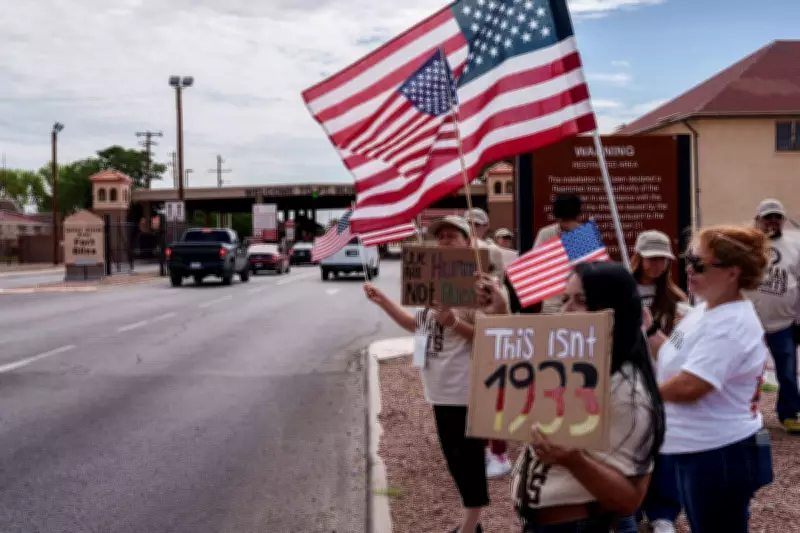
Escobar's district includes El Paso, where Camp East Montana on the Fort Bliss army base holds up to 5,000 detainees in tents, making it the largest immigration facility in the US. She and fellow Democrats have called for its closure, citing allegations of poor conditions and abuse. Several deaths have occurred at this camp, including that of Victor Manuel Diaz, 36, found dead in January 2026, with ICE presuming suicide but family members expressing doubts.
Controversial Cases and Jurisdictional Confusion
The death of Geraldo Lunas Campos, 55, at Camp East Montana in early January 2026 has sparked particular controversy. Initially reported as due to "medical distress," the El Paso county medical examiner later ruled it a homicide caused by asphyxia during restraint by guards. ICE countered with a report citing "spontaneous use of force" to prevent self-harm, and relatives plan to sue.
Jurisdictional issues further complicate matters. After Campos' death, ICE announced that future autopsies, including Diaz's, would be handled by military authorities instead of local medical examiners. This shift has raised concerns about impartiality, with lawyer Randall Kallinen questioning why the army is involved in civilian deaths.
Government Response and Rising Detention Numbers
The Department of Homeland Security (DHS) has denied any spike in deaths, stating that death rates in custody are 0.009% of the detained population, consistent with past data. DHS also defended the quality of care, claiming it exceeds that in many prisons for US citizens. However, government data shows that detainees with no criminal histories make up the largest portion of the nearly 70,000 immigrants currently locked up, a record high.
Critics like Austin Kocher, an immigration data expert, note that ICE detention deaths are accelerating, with one occurring roughly every four days, yet Congress has not launched investigations. The Trump administration's plans to expand detention by converting warehouses in several states could exacerbate the situation.
Additional Cases Highlight Systemic Issues
Other deaths illustrate broader problems. Chaofeng Ge, 32, died in ICE custody in Pennsylvania last August, with his death deemed a suicide despite an autopsy showing his hands and feet tied behind his back. In Missouri, two suicides in local jails holding detainees for ICE have raised questions, with families disputing the conclusions and facing delays in obtaining information.

Medical emergencies have also been mishandled. Emmanuel Damas, 56, died after reporting severe tooth pain, with lawmakers alleging delayed care contributed to his death. Huabing Xie, 53, was left unattended for 45 minutes during a heart attack in California, while Ismael Ayala-Uribe died after complaining of rectal pain for three weeks without adequate treatment.
Calls for Reform and Accountability
Advocates like Rebekah Wolfe of the American Immigration Council argue that detention should not equate to a death sentence, urging safer, more humane alternatives for managing cases. The lack of transparency and accountability, compounded by jurisdictional blurring and private contractor involvement, continues to fuel demands for systemic change.
As the death toll rises amid expanding detention, the need for thorough investigations and improved conditions remains urgent, with families and lawmakers pushing for answers in the face of bureaucratic obstacles.