Reform UK Pledges Unyielding Commitment to Controversial Deportation Strategy
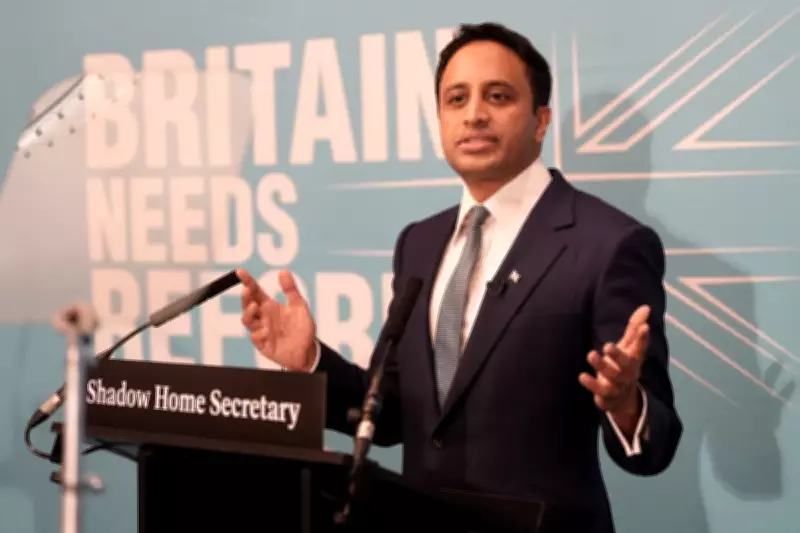
Reform UK has emphatically stated that it will not retreat from its contentious mass deportation plans, with home affairs spokesperson Zia Yusuf declaring the party "will never flinch" in the face of opposition. The announcement was made during a policy unveiling in Dover alongside party leader Nigel Farage, where Yusuf outlined ambitious proposals to address illegal immigration.
Details of the Deportation Command Proposal
Yusuf detailed a new "UK Deportation Command" initiative designed to systematically track, detain, and deport individuals residing illegally in the country. The plan targets up to 288,000 people annually, with an overall goal of removing over 600,000 individuals during a first parliamentary term. This aggressive approach includes implementing "visa freezes" for nations that refuse to cooperate with deportation efforts.
Confronting Opposition and Sanctuary Cities
Addressing potential backlash, Yusuf dismissed concerns about US-style violence, asserting that UK policing operates through public consent. However, he indicated readiness to challenge protesters and local authorities in so-called "sanctuary cities" such as Cardiff and Sheffield, where resistance to deportation policies might be strongest. Yusuf framed this as confronting "progressive outrage" over the party's immigration stance.
Withdrawal from European Convention on Human Rights
A central component of Reform UK's proposal involves withdrawing from the European Convention on Human Rights (ECHR). The party argues that the convention currently places the rights of British citizens below those of criminals, thereby hindering effective deportation measures. This move has sparked significant debate about human rights protections versus national sovereignty.
Widespread Criticism and Political Fallout
The deportation plans have faced substantial criticism from various quarters:
- Charities have condemned the proposals as inhumane and potentially violating international obligations.
- Other political parties have labeled the plans as extreme and unworkable, warning of social and economic consequences.
- Legal experts question the feasibility of such large-scale deportations and the implications of ECHR withdrawal.
Despite this opposition, Yusuf remains defiant, positioning the policy as a necessary measure to restore control over UK borders and prioritize national interests. The controversy highlights deepening divisions in British politics over immigration, security, and human rights, setting the stage for intense parliamentary and public debates as Reform UK seeks to implement its vision.