Damning Report Finds Small Boat Crossing Deaths 'Were Avoidable'
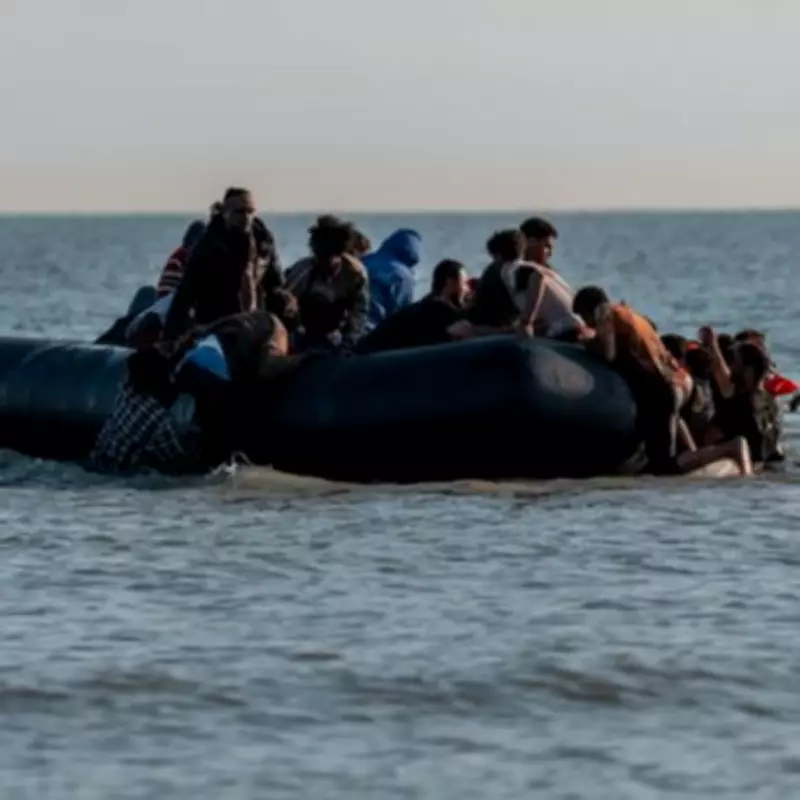
A devastating inquiry into the deadliest Channel crossing on record has delivered a scathing verdict, concluding that systemic failures, missed opportunities and chronic staff shortages directly contributed to the loss of life, making some deaths entirely avoidable. The report, authored by former High Court judge Sir Ross Cranston, examines the tragedy that claimed at least 30 lives when an overcrowded inflatable boat capsized overnight on November 23 and 24, 2021.
Systemic Failures and Critical Shortcomings
The inquiry identified multiple critical failings within the UK's maritime response system that prevented a timely and effective rescue operation. Sir Ross Cranston stated unequivocally that "some of those deaths were avoidable," pointing to three primary factors that contributed to the catastrophic outcome.
Firstly, people smugglers provided an "unsuitable" craft that was dangerously overcrowded with at least 33 individuals, creating inherently perilous conditions from the outset. Secondly, a French Navy vessel, the Flamant, which was closest to the distressed boat, failed to respond to a mayday message, significantly delaying the search operation. This failure is now at the centre of an ongoing criminal investigation in France, despite evidence from HM Coastguard radio recordings showing the ship was using the same communication channel.
Flawed Decisions and Institutional Beliefs
The UK Coastguard's response was marred by what the report describes as "a number of flawed decisions" during the rescue operation, codenamed "Charlie." These errors led to the search being terminated prematurely on November 24 due to failures in record-keeping. Compounding this was a "widely held belief" within the Coastguard that callers from small boats "exaggerated their level of distress," potentially influencing response priorities.
"If the search had continued throughout that day, some of the deaths would have been avoided," the report states emphatically. It further highlights that Coastguard personnel were placed in an "intolerable position" because of chronic staff shortages at Dover and other operational deficiencies that had been known about for some time, yet no effective action had been taken to address them.
Human Cost and Survivor Testimony
The human toll of these failures is starkly illustrated by survivor testimony and inquiry findings. Only two people survived the capsizing, with victims discovered in French waters nearly twelve hours after the initial distress calls. One victim is believed to have died just thirty minutes before rescue arrived.
Issa Mohamed Omar, one of the two survivors, provided harrowing evidence during the hearings. He described holding onto remnants of the boat throughout the night, hearing people screaming in the morning, and estimating that around ten individuals were still alive at daybreak. "It's a harrowing experience and I just don't want to remember," he told the inquiry, adding that the memories are something he cannot forget.
Calls for Action and Government Response
The report has prompted urgent calls from refugee organisations for immediate implementation of its recommendations. Refugee charity Care4Calais described the inquiry as a potential "watershed moment" that must end the "dehumanisation" of refugees seeking sanctuary in the UK. Imran Hussain, Director of External Affairs for the Refugee Council, urged the government to act quickly on the findings and work with European neighbours to create safe, legal pathways for migration.
A government spokesperson responded by expressing sympathy for survivors and families of the deceased, while emphasising ongoing reforms to remove incentives for illegal migration and scale up removals of those without legal status. The Cranston inquiry's central conclusion remains clear: small boat crossings "must end" to prevent further avoidable tragedies, with systemic failures requiring immediate and comprehensive addressing.