Spain's Progressive Immigration Policy Brings Hope to Undocumented Communities
In a world where migration policies are increasingly restrictive, Spain has taken a bold step forward by announcing plans to integrate its undocumented population. More than half a million foreigners are estimated to live in Spain without legal permission, often working in essential but undervalued roles such as agricultural labour, caregiving, and hospitality. These individuals, known as "sin papeles" or "without papers," frequently face exploitation, marginalisation, and invisibility in society.
A New Legal Pathway for Migrants
Earlier this week, the Spanish government revealed it will grant residency and work permits to all foreigners who arrived before December 31, 2025, have resided in Spain for at least five months, and possess no criminal record. Socialist Prime Minister Pedro Sánchez emphasised in a social media video that this initiative opens a legal route for "people who have, together with us, built progress in this country." This unexpected move starkly contrasts with the escalating deportation efforts and harsh rhetoric seen in the United States and other European Union nations.
Personal Stories of Hope and Struggle
The policy has sparked optimism among migrants, as illustrated by three individuals awaiting their permits. Ale Castañeda, a Colombian asylum-seeker, expressed relief after living with constant anxiety about his expiring temporary permit. He fled discrimination in Colombia and later Argentina due to safety concerns, finding solace in Spain. Castañeda hopes to work and access basic services like banking, without relying on public benefits, but worries about the implementation details, such as lengthy procedures and appointment scams.
Paulina Valenzuela, a former architect from Chile, has faced years of struggle to legalise her status, falling victim to scams and rejections. Working in cleaning jobs to survive, she described the physical and emotional toll of informal labour in Spain's booming tourism sector, which attracted 97 million visitors last year. Valenzuela remains cautiously hopeful that the new permits will lift her out of poverty, despite past obstacles.
Hussain Dar, a 30-year-old from Pakistan, has been struggling without papers for nearly a year after leaving the UK due to stricter immigration laws. He has depleted his savings, sold possessions, and faced homelessness while awaiting legal status. Dar praised Spain's culture and people, noting that with permits, migrants like him can contribute to the economy through work and taxes, and reunite with family after years apart.
Challenges and Government Commitment
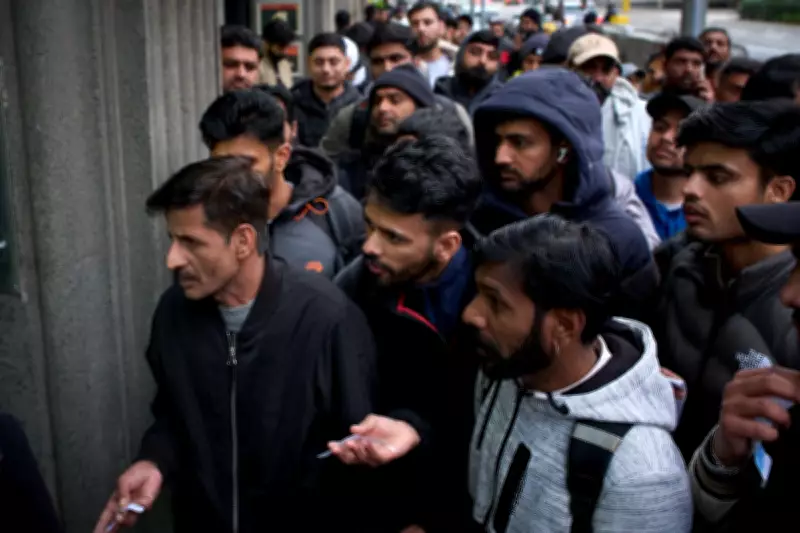
While the announcement has been met with celebration, challenges remain. The application window is short, from April to June, and requirements like criminal record certificates have overwhelmed consulates, such as Pakistan's in Barcelona, which is opening weekends to assist. Minister of Migration Elma Saiz has pledged additional resources to ensure smooth processing, aiming for success in this ambitious integration effort.
This policy not only offers a lifeline to hundreds of thousands but also highlights Spain's commitment to inclusivity in an increasingly hostile global landscape.