Switzerland to Hold Landmark Vote on Population Cap
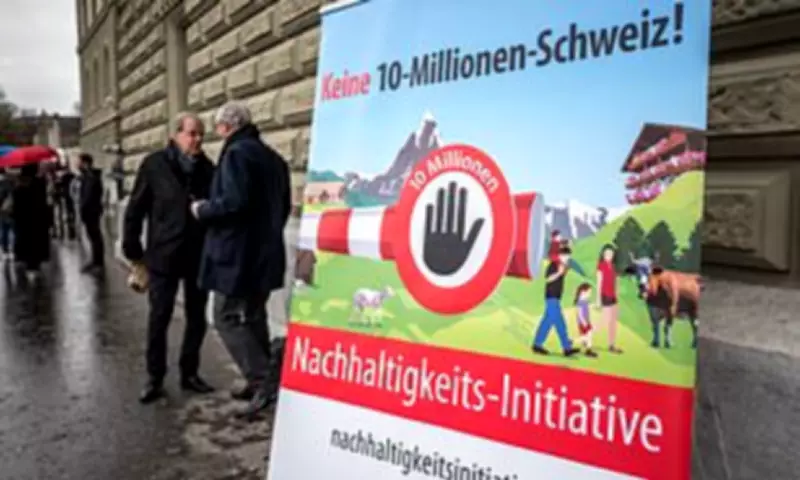
Switzerland is poised for a dramatic nationwide referendum on June 14 that will determine whether to impose a strict legal limit on its permanent resident population, capping it at ten million people. This controversial proposal, championed by the right-wing Swiss People's Party (SVP), has officially secured the required signatures to trigger the vote, as confirmed by the Swiss government on Wednesday. The initiative promises to reignite the country's long-running and often heated debate over immigration and its societal impacts.
The Details of the Proposed Population Limit
If approved by voters, the plan would enshrine in Swiss law a firm ceiling, preventing the total number of permanent residents—including both citizens and foreigners holding residency permits—from exceeding ten million before the year 2050. According to the latest data from the federal statistics office, Switzerland's population stood at approximately 9.1 million residents by the end of the third quarter of 2025. Notably, around 30 percent of residents in recent years were born abroad, with a significant portion originating from European Union countries, many of whom have since acquired Swiss citizenship.
The mechanism of the proposal is designed to activate preemptive measures. Once the population reaches 9.5 million, the Swiss government would be legally compelled to intervene with a series of restrictive actions. These could include tightening asylum regulations, imposing limits on family reunification programs, restricting the issuance of new residency permits, and even renegotiating existing international agreements that facilitate migration.

Arguments For and Against the Cap
Supporters of the population cap, primarily led by the SVP, argue that such a measure is urgently necessary to protect Switzerland's environment, natural resources, public infrastructure, and social services from the mounting pressures of unchecked population growth. The party has spent years campaigning to curb immigration into the wealthy Alpine nation, though with mixed success historically. Its latest push aligns with a broader surge in anti-immigration sentiment observed across various parts of the Western world in recent times.
However, critics spanning much of Switzerland's political spectrum warn that the proposal dangerously oversimplifies a highly complex socio-economic issue. They caution that it risks severely harming the country's close and vital ties with neighbouring nations. Opponents point out that Switzerland relies heavily on foreign workers in critical sectors such as healthcare, hospitality, construction, and higher education. They further warn that implementing such curbs on migration and free movement would likely breach Switzerland's existing international commitments and agreements.
Switzerland's Unique Political and International Context
This referendum is a product of Switzerland's distinctive system of direct democracy, which empowers voters to shape national policy directly through multiple nationwide ballots each year. The system allows proposals to be put to a public vote if they gather at least 100,000 signatures from eligible voters within an 18-month period, a threshold the SVP has successfully met.
Switzerland's international standing adds another layer of complexity. The country is part of the Schengen zone, facilitating visa-free travel across 29 nations representing about 450 million people. While not a member of the European Union—a status it shares with Norway, Iceland, and Liechtenstein—it is deeply integrated through over 120 bilateral agreements. These pacts grant Switzerland access to the EU single market, including the free movement of people and goods, which could be jeopardized by the proposed cap.
The SVP, which has finished first in every federal election since 1999, contends that Switzerland is experiencing a 'population explosion' that is straining public services, overburdening infrastructure, and driving up rental costs. Despite its electoral success, the party stands alone in its support for the population limit among members of the executive Federal Council, the seven-seat coalition government, which has voted to formally oppose the initiative.

Public opinion appears divided. A poll conducted last year by the Swiss-based firm Leewas indicated that the proposal enjoys wide support among the electorate. In its campaign, the SVP has utilized social media, including a post on its X account featuring a seemingly AI-generated image depicting a wealthy elite toasting champagne above a crowd of disgruntled workers, with a caption stating, 'A small economic elite profits from the excessive immigration – the majority of the Swiss population suffers.' The outcome of the June vote will have profound implications for Switzerland's future demographic and immigration policy landscape.