Tariq Ramadan Faces Paris Trial Over Rape Allegations from Three Women
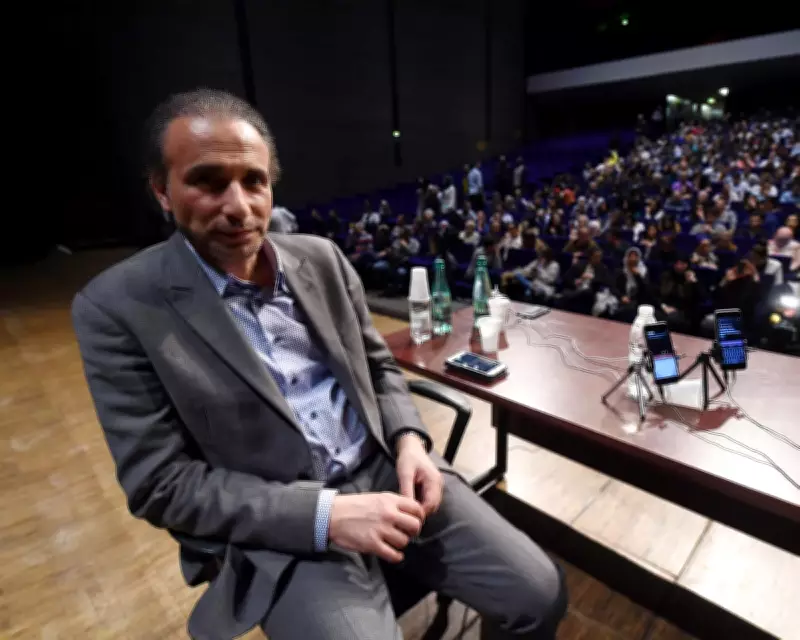
The prominent Swiss academic and Islam scholar Tariq Ramadan is set to go on trial in Paris on Monday, facing serious charges of raping three women in France between 2009 and 2016. Ramadan, a former professor at the University of Oxford and an adviser to previous British governments on Islam and society, has consistently denied all allegations. This case is widely viewed as one of the most significant repercussions of the #MeToo movement within France, highlighting ongoing struggles with accountability and justice in high-profile sexual assault cases.
Background and Charges
Ramadan, 63, served as a professor of contemporary Islamic studies at the University of Oxford until he took a leave of absence in 2017 when initial rape allegations surfaced. He officially retired early from Oxford in June 2021. The charges stem from incidents involving three separate women, with Ramadan accused of rape in each case. If convicted, he could face a prison sentence of up to 20 years, underscoring the gravity of the accusations and the potential legal consequences.
Details of the Allegations
The first complainant, Henda Ayari, 41, a former Salafist Muslim turned feminist campaigner, reported to police in 2017. She alleges that Ramadan raped her in a hotel room in eastern Paris during the spring of 2012, while he was attending a conference as a speaker. Ayari's accusations extend beyond rape to include claims of sexual violence, harassment, and intimidation, painting a troubling picture of the alleged encounter.
A second woman, identified by the pseudonym Christelle, has told investigators that Ramadan raped her in a Lyon hotel room in October 2009 during another conference. She describes the incident as a violent attack, adding to the severity of the charges. A third woman has come forward, alleging that Ramadan raped her in 2016, though specific details of this case have been less publicly disclosed.
Initially, in 2017, Ramadan denied any sexual encounters with the first two women. However, in 2018, he revised his account, admitting to having sexual relations with both Ayari and Christelle. He claimed that these encounters were consensual and part of a "dominant-submissive" relationship that the women actively sought. The third woman's complaint was incorporated into the investigation at a later stage, broadening the scope of the legal proceedings.
Legal Proceedings and Statements
Sarah Mauger-Poliak, the lawyer representing Henda Ayari, emphasized to Agence-France Presse that this trial is not a political or conspiratorial battle but a straightforward case of rape. She stressed the importance of focusing on the alleged crimes rather than external narratives, aiming to keep the legal process centered on the victims' experiences and the evidence presented.
Lawyers for Christelle have indicated they will request a private trial, a legal right in France that would exclude media and the public. They argue this measure is necessary to protect her identity and prevent potential harassment, describing the trial as a "crucial moment" following an extensive investigation. This move highlights the sensitive nature of sexual assault cases and the challenges victims face in seeking justice while safeguarding their privacy.
Ramadan's legal team has expressed concerns about his ability to receive a fair trial, citing his multiple sclerosis as a health risk that could be exacerbated by court appearances. They told AFP that his condition makes him unfit to attend without endangering his health, raising questions about how the trial will proceed and whether accommodations will be made.
Previous Conviction and Broader Context
In a related development, a Swiss appeals court found Ramadan guilty in 2024 of raping a woman in a Geneva hotel in 2008, sentencing him to three years in prison, with two years suspended. Switzerland's highest court upheld this conviction last year, though Ramadan's Swiss lawyers have announced plans to appeal to the European Court of Human Rights. This prior conviction adds a layer of complexity to the Paris trial, potentially influencing public perception and legal strategies.
The trial in Paris is not just a legal milestone but also a reflection of the broader #MeToo movement's impact in France, where high-profile cases have sparked debates about power, consent, and accountability. As the proceedings unfold, they will be closely watched by advocates for victims' rights and those following the intersection of academia, religion, and justice.