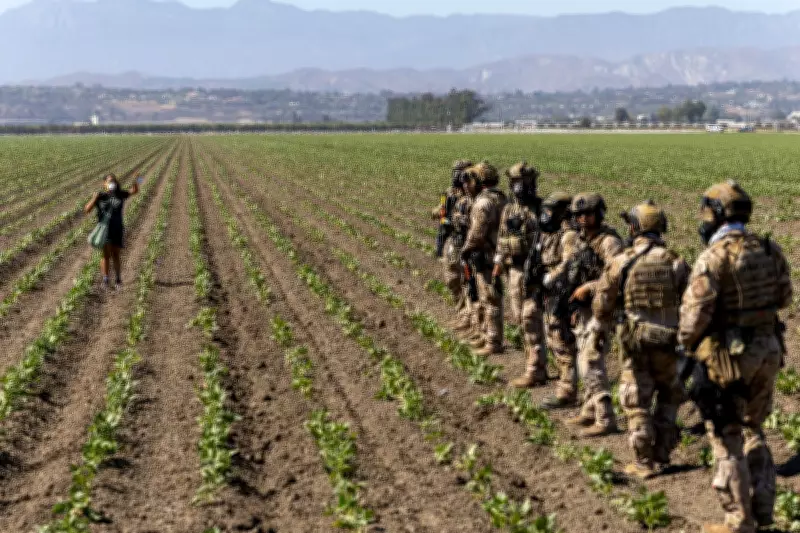
Trump Administration Shifts Stance on Migrant Farm Workers After Raids Exacerbate Labor Crisis
The Trump administration has quietly acknowledged in recent months that its aggressive immigration enforcement policies have contributed to a severe farm labor shortage across the United States. This admission comes as the administration implements new emergency rules designed to make it easier for American farms to hire migrant workers through the H-2A temporary labor visa program.
Emergency Visa Rules Implemented Amid Growing Crisis
Effective January 1, new emergency regulations have taken effect, permitting U.S. agricultural operations to hire increased numbers of migrant workers while simultaneously reducing the required wage rates for those arriving on H-2A visas. Agriculture Secretary Brooke Rollins, speaking during a recent visit to Louisiana, framed these changes as essential temporary measures to assist farmers who are struggling to secure domestic workers in the absence of comprehensive congressional immigration reform.
"We are working to make very quick change as quickly as we can to basically open up the market so that these labor questions can be resolved," Secretary Rollins stated emphatically. This policy shift represents a significant reversal from the administration's previous hardline stance, which had seen widespread deportation raids across farm country.
Deportation Crackdown Creates Unintended Consequences
Last autumn, as the Trump team initially proposed these regulatory changes, they provided explicit clarification regarding the driving forces behind this policy pivot. The administration's own deportation raids and intensified border security measures have dramatically worsened what was already a chronic shortage of agricultural workers throughout the nation.
President Trump has executed an extensive deportation campaign across the United States, with numerous critics warning that these operations could severely impact agricultural sectors where migrant labor forms the backbone of the workforce. Experts have cautioned that a substantial reduction in available farm workers could trigger noticeable increases in food prices for American consumers, creating economic ripple effects throughout the national economy.
The Department of Labor issued a stark warning, noting that "the near total cessation of the inflow of illegal aliens combined with the lack of an available legal workforce results in significant disruptions to production costs and threatens the stability of domestic food production and prices for U.S. consumers." The department further estimated that enhanced immigration enforcement under President Trump's legislative agenda could eliminate approximately 225,000 additional farm workers from the national agricultural labor force.
Political Complexity and Varied Reactions
The issue of agricultural staffing presents a politically complicated challenge for the administration. While farming regions traditionally lean Republican in their political affiliations, approximately forty percent of the current farm labor force lacks legal authorization to work within the United States. This inherent tension manifests in dramatically divergent responses to the president's evolving agricultural policies.
Some farm proprietors assert they would willingly employ more American workers if possible, but contend that domestic workers generally reject these demanding positions, making migrant laborers an indispensable component of their business operations. "If this program went away tomorrow, farming would cease," declared Walter King, co-owner of Nelson-King Farms in Mississippi's Delta region, in a recent interview.
Meanwhile, the administration's revised H-2A approach has drawn criticism from across the political spectrum. Undocumented farm workers express concerns about potential wage reductions, with one Idaho laborer named Maria telling reporters she fears her hourly pay could drop from seventeen dollars to just eleven dollars under the new regulations.
Legal Challenges and Broader Implications
The United Farm Workers union has initiated legal proceedings against the rule changes, alleging insufficient public commentary opportunities and arguing that the modified H-2A system will disadvantage both foreign and domestic workers. Union president Teresa Romero criticized the policy in a November statement, asserting "there is nothing 'America First' about expanding exploitative guest worker programs that undercut and displace American workers."
According to analysis from the left-leaning Economic Policy Institute, the new regulations will cost H-2A workers approximately two billion dollars in collective wage reductions while simultaneously exerting three billion dollars in downward wage pressure on American farm employees. Meanwhile, immigration restriction advocates argue the administration is capitulating to agribusiness lobbying rather than encouraging agricultural mechanization.
President Trump has publicly recognized the inherent tension between his immigration enforcement objectives and his support for American agricultural interests. During a speech in Iowa last year, the president noted, "Brooke Rollins brought it up, and she said, 'So, we have a little problem. The farmers are losing a lot of people,' and we figured it out, and we have some great stuff being written."
Despite temporary assurances that key industries like agriculture would be shielded from large-scale deportations, the administration has frequently altered its enforcement approach. While recent operations have focused more heavily on urban centers than agricultural regions, the occasional high-profile farm raids have generated widespread anxiety within farming communities nationwide.
A recent Michigan State University survey revealed that roughly one in seven California farmers reported losing workers connected to immigration enforcement actions or due to fears about potential future operations. This data underscores the profound impact that immigration policy fluctuations continue to exert upon America's agricultural foundation and food production capabilities.