UK Slashes Asylum Period to 30 Months in Hardline Immigration Overhaul
Home Secretary Shabana Mahmood has announced a radical overhaul of the UK's asylum system, replacing permanent refugee status with a temporary 30-month period of protection. The new rules, effective from Monday, mark a significant hardening of immigration policy under the Labour government, aimed at reducing pull factors for illegal migration and countering the electoral threat from Reform UK.
Denmark-Inspired Policy Shift
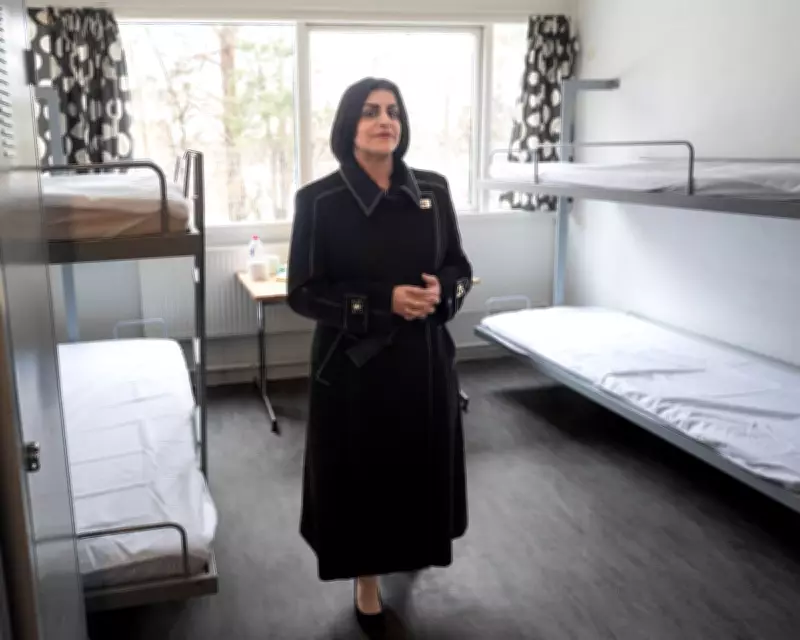
The policy change follows Mahmood's recent visit to Denmark's Center Sandholm reception centre, where she observed similar measures implemented by the Danish government. Denmark has reduced asylum claims by over 90% in the past decade through comparable temporary protection schemes, though critics argue these approaches breach human rights standards.
"We must ensure our asylum system is not creating pull factors that draw people on dangerous journeys across the world," Mahmood stated. "Genuine refugees will find safety in Britain, but we must also reduce the incentives that draw people here at such scale."
Key Changes and Implementation
Under the new system, adults and accompanied children granted asylum will receive 30 months of protection instead of the previous five-year period. At the end of this term, refugees will undergo a review where those with continuing need for sanctuary may have their protection renewed, while those from countries deemed safe by the UK government will be expected to return home.
The changes do not apply retrospectively to asylum applications submitted before Monday's implementation date. Additionally, the government plans to double the waiting period for some foreign nationals seeking settlement in the UK from five to ten years.
Political Context and Labour Divisions
The announcement comes amid internal Labour Party tensions following the party's third-place finish in the Gorton and Denton byelection. Some Labour MPs, peers, and affiliated unions have urged Keir Starmer's government to adopt more progressive policies, but Mahmood has doubled down on immigration reforms.
In an interview with the Guardian, Mahmood warned that Labour must address public concerns about immigration or risk a Nigel Farage-led government implementing even harsher measures. "A Reform government under Nigel Farage will raise the drawbridge entirely – ending centuries of tolerance and generosity in this country," she cautioned.
Charity Concerns and Administrative Burden
The Refugee Council has expressed deep concern about the policy's impact. Director of External Affairs Imran Hussain warned that "short-term leave means refugee families who have survived war, persecution and unimaginable danger will face renewed uncertainty every 30 months, damaging integration in the long term."
The council estimates the new system will create 1.1 million repeat case reviews and cost up to £725 million in additional administrative workload. Mahmood insists the Home Office has sufficient resources and capacity to conduct these extra checks annually.
Expert Analysis and International Comparisons
Migration experts question the policy's effectiveness. Peter Walsh, senior researcher at Oxford University's Migration Observatory, noted that Denmark's similar approach has resulted in few actual removals. "Out of 30,000 Syrian refugees in Denmark, only about 1,200 cases were reassessed, a few hundred statuses revoked, and as of early 2024, no one had been reported to have been removed to Syria," he explained.
Walsh suggested the policy might have "a deterrent effect at the margins" but could struggle to achieve large-scale returns due to operational and diplomatic challenges. The actual impact on migration numbers will depend on whether status reviews are "light touch" or "substantive" in nature.
Broader Immigration Agenda
This policy forms part of a wider immigration overhaul that includes plans to force some migrants to wait 20 years before claiming leave to remain, with these changes expected to be implemented in autumn. Mahmood will argue next week that such measures align with Labour values and address legitimate public concerns about pressure on public services.
Further reforms, including an overhaul of the asylum appeals system, will be introduced through the Border Security, Asylum and Immigration Bill in the King's Speech in May, potentially facing Labour rebellions in both parliamentary houses.
Statistical Context
Just over 100,000 people claimed asylum in the UK in 2025, representing a 4% decrease from the previous year. Approximately half of asylum seekers arrived through unauthorised entry routes, including small boat crossings. The government maintains that the new temporary protection system will help address these challenges while maintaining protection for genuine refugees.