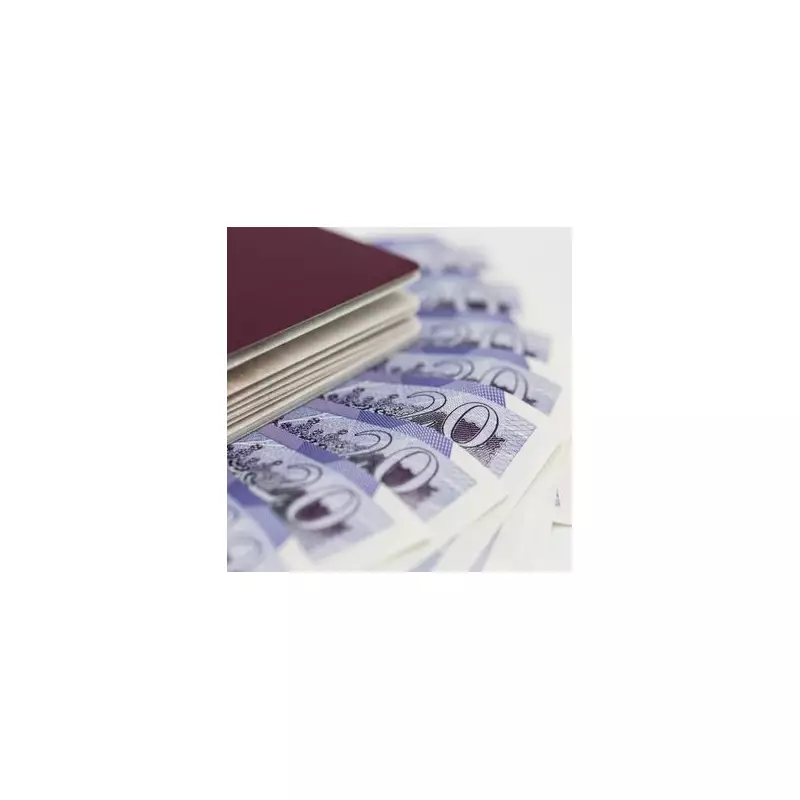
The cost of visiting the United Kingdom is poised to climb once again, with the government preparing to implement a significant increase in the fee for its Electronic Travel Authorisation (ETA). This move would see the mandatory travel permit rise by 25%, from the current £16 to a new rate of £20, placing further financial pressure on millions of international visitors.
Second Price Hike in Rapid Succession
This proposed increase represents the second substantial jump in the ETA fee in less than a year. The scheme, first introduced in 2023, underwent a previous 60% price rise in April 2025, escalating from £10 to £16. A Home Office briefing has now indicated that ministers are seeking to elevate the cost once more, although the exact implementation date remains unconfirmed and parliamentary approval is still required.
"As with all our fees, the cost of an ETA is kept under review, and we intend to increase the cost of an ETA to £20 in the future," a Home Office spokesperson stated. "We will provide more information in due course."
Scope and Function of the ETA Scheme
The ETA system applies to travellers from countries that do not require a full visa for entry into the UK. This encompasses citizens from European Union member states, as well as visitors from nations including the United States, Australia, Hong Kong, and Singapore. The authorisation permits multiple trips to the UK, allowing stays of up to six months within a two-year period, or until the traveller's passport expires.
Official data reveals the scheme's extensive use, with 19.6 million ETAs granted in its first two years of operation up to September last year. The government has been a staunch defender of the programme, citing its role in border security and facilitation.
Industry Backlash and Competitive Concerns
The prospect of another fee increase has triggered alarm within the UK's travel and tourism sector. Industry leaders argue that continually raising entry costs risks damaging the country's appeal to international visitors.
Joss Croft, CEO of the travel association UKinbound, issued a stark warning: "Increasing visa and ETA costs risks pulling the visitor economy in the wrong direction and stunting that growth. International visitors have a choice, and the UK already has some of the highest entry costs in the world. Making it even more expensive to visit undermines our competitiveness and puts valuable export income at risk."
Croft emphasised the broader economic impact, noting that inbound tourism supports jobs, high streets, pubs, and hospitality businesses across communities nationwide. He urged the government to reconsider the increases to maintain the UK's status as an open, welcoming, and competitive destination.
Upcoming Rule Changes and International Context
Further adjustments to the ETA system are imminent. From February 25, new regulations will prevent eligible visitors from boarding transport to the UK without an approved ETA in place. It is also important to note that travellers on connecting flights who pass through UK passport control will generally require an ETA, with exemptions only for those transiting through London Heathrow or Manchester airports without crossing the UK border.
This potential UK fee rise occurs within a wider international trend. The European Union is expected to charge €20 for its forthcoming ETIAS travel authorisation system, scheduled for launch in late 2026. Meanwhile, the United States increased its ESTA application fee to $40 in September 2025, nearly doubling its previous cost.
The cumulative effect of these successive increases places the UK's travel costs under intense scrutiny, balancing security and administrative needs against the vitality of a crucial economic sector.