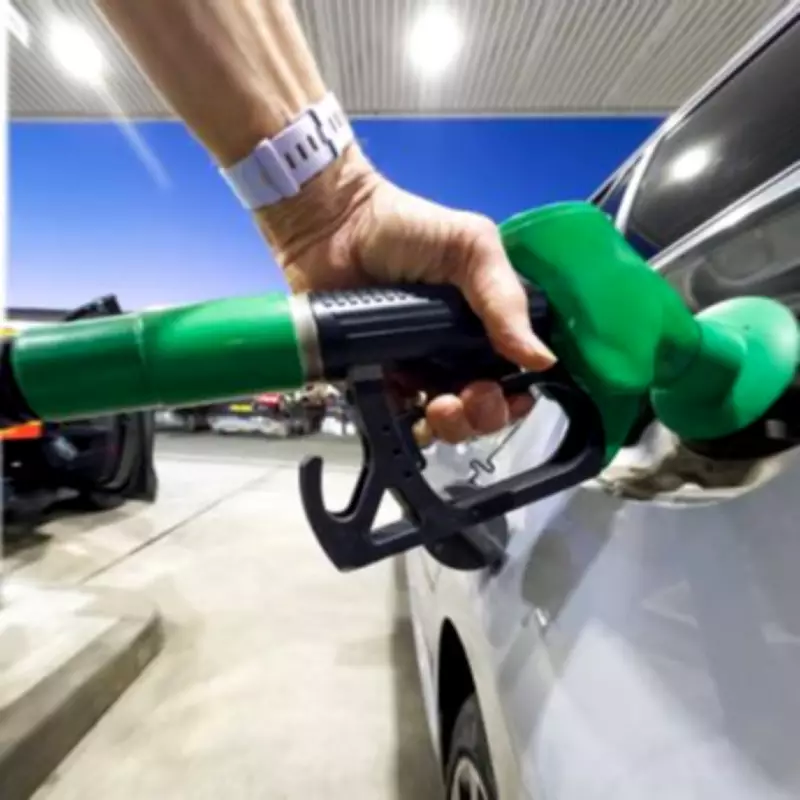
The UK government has outlined comprehensive measures to address potential shortages triggered by the ongoing Iran conflict, particularly focusing on fuel, food, and carbon dioxide supplies. The blockage of the Strait of Hormuz, a vital shipping route that previously handled one-fifth of the world's oil and gas, has caused oil prices to surge since the US-Israel war on Iran commenced.
Government Response and Public Reassurance
Drivers are being urged to continue as normal, with the government advising against panic buying. The Prime Minister will lead another session of the Cabinet committee established to manage the consequences on Tuesday, following the so-called Middle East Response Committee's meeting last week. A contingency planning group of ministers headed by Chief Secretary to the Prime Minister Darren Jones is convening twice weekly to monitor stock levels and develop strategies for supply chain disruption.
Mr Jones stated: "This is not our war. The Government made the right call to stay out of the conflict and only take defensive action to protect Britain's interests. We're acting now to prepare for, and mitigate where possible, the impact on our economy and domestic security as a result of the conflict. The Prime Minister wants to see a toll-free Strait of Hormuz reopened as soon as possible."

Impact on Aviation and Travel
Numerous people are already worried about holiday arrangements over the coming months. Several airlines have announced they will cancel or reduce flights to and from the UK due to escalating fuel costs. However, UK airlines have stressed they are "not currently seeing a shortage of jet fuel" as they purchase supplies in advance and airports maintain their own reserves. The government has confirmed it is "closely monitoring" UK jet fuel stocks, and airports will allow airlines to cancel flights without risking the loss of their allocated "slots" should fuel shortages prevent them from operating.
Food and Drink Supply Concerns
Concerns have been voiced regarding possible food and drink shortages should the Middle East conflict persist. Ministers have started taking steps to guarantee adequate CO2 supplies, which are vital for certain food products as well as medical tests. Carbon dioxide is essential in the food industry for carbonating drinks and is also key for defence purposes and medical applications such as MRI scanning. Supermarkets have revealed they are collaborating with the government to prepare for a worst-case scenario in which the continuing conflict could result in shortages of CO2 relied upon by food producers.
When hostilities broke out, the government provided financial support to reactivate the Ensus bioethanol plant, which produces CO2 as a by-product, in a bid to bolster supplies of the gas. Measures are also being taken to reduce the connection between electricity and gas prices to shield households and businesses from sudden price surges.
Leaked Plans and Worst-Case Scenario
Leaked government plans setting out a reasonable worst-case scenario indicated that certain food items could disappear from supermarket shelves should the Strait of Hormuz remain closed throughout the summer months. The government is urging the public not to panic and to continue with their normal routines, including driving and travel plans.
On Sunday, Mr Jones will speak to broadcasters to offer reassurance that the UK is well-positioned to handle the situation. He will aim to demonstrate how Sir Keir Starmer's administration is engaging directly with businesses to reduce disruption and keep prices down.