The British government has successfully negotiated a significant new bilateral agreement with Nigeria, designed to facilitate the deportation of thousands of individuals who have failed in their asylum claims or committed crimes in the United Kingdom. The Home Office confirmed the signing of this pivotal deal during the state visit of Nigerian President Bola Ahmed Tinubu this week, marking a strategic move to enhance migration management between the two nations.
Streamlining Deportation Processes
Under the terms of the agreement, Nigeria has committed to accepting a greater number of deportations from the UK, with a focus on reducing administrative delays that have historically hindered removal efforts. Currently, one of the primary obstacles faced by the Home Office in deporting foreign nationals has been the lengthy wait for travel documents, such as passports, from their home countries. This new deal introduces a streamlined mechanism where Nigeria will accept diplomatic notes, referred to as 'UK Letters,' in lieu of traditional travel papers during the deportation process. This innovation is expected to accelerate the removal of individuals who have no legal right to remain in Britain.
Targeted Groups for Removal
The agreement specifically targets two key groups: failed asylum seekers and foreign national offenders from Nigeria. Official figures reveal that there are currently 961 Nigerian failed asylum seekers in the UK who have exhausted all avenues of appeal, meaning they have been definitively denied refugee status. Additionally, the Home Office is awaiting the deportation of 1,110 foreign national offenders from Nigeria. Both cohorts are now more likely to face expulsion under the enhanced cooperation framework. The deal will also be applied to Nigerians who have overstayed their work or visit visas, further broadening its scope.

High-Level Signing and Statements
The agreement was formally signed by Home Secretary Shabana Mahmood and Nigerian Interior Minister Dr. Olubunmi Tunji-Ojo, underscoring the high-level commitment from both governments. Home Office Minister Alex Norris emphasized the importance of the deal, stating, 'Today’s agreement is another step in our mission to restore order to the border by ensuring those who have no right to be here are swiftly removed.' He highlighted Nigeria's role as a key partner in tackling illegal migration, noting the country's status as the UK's largest African visa market and the home to thousands of Nigerians who have established lives in Britain.
Dr. Tunji-Ojo echoed this sentiment, affirming Nigeria's dedication to fulfilling its international obligations. He remarked, 'Hopefully, this strengthened partnership will be a template for other bilateral understandings,' indicating the potential for similar agreements with other nations in the future.
Broader Cooperation on Crime and Fraud
Beyond migration, the agreement encompasses a wider range of collaborative efforts to combat criminal activities. A significant proportion of international fraudsters targeting British victims operate from West Africa, including Nigeria. In response, the two countries have pledged to crack down on criminal gangs that abuse visa routes. This includes the implementation of a new document-checking system to verify the authenticity of visa applications, aimed at preventing fraudulent entries.
As part of the deal, Nigeria has also agreed to review its domestic laws to address immigration-related crimes, with considerations for imposing tougher sentences on offenders. This holistic approach seeks to tackle both the symptoms and root causes of illegal migration and associated criminality.
Historic State Visit and Diplomatic Engagements
The signing of the agreement took place against the backdrop of a historic state visit by President Tinubu, the first from Nigeria to the UK in 37 years. The visit included a lavish state banquet at Windsor Castle, where King Charles praised Nigeria as an 'economic powerhouse, a cultural force and an influential diplomatic voice.' The banquet featured an elaborate menu, including dishes such as quail egg tartlet, fillet of turbot with lobster mousse, and an iced blackcurrant souffle, accompanied by a mocktail blending West African and English ingredients.

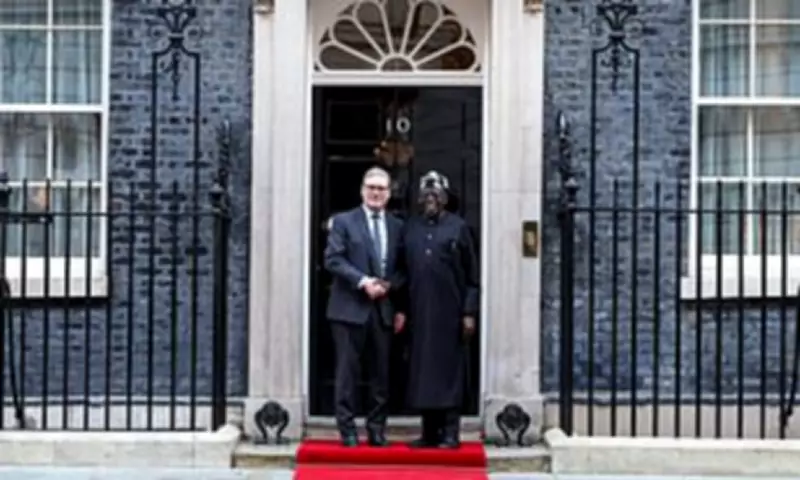
President Tinubu and First Lady Oluremi Tinubu privately visited St. George’s Chapel at Windsor to lay a wreath on the tomb of Queen Elizabeth II, honoring the longstanding ties between the two nations. The visit continued with a meeting between President Tinubu and Prime Minister Sir Keir Starmer at Downing Street, further solidifying diplomatic relations and discussing future collaborations.
Implications for UK Migration Policy
This agreement represents a significant advancement in the UK's efforts to manage its borders and enforce immigration laws. By reducing bureaucratic hurdles and enhancing cooperation with key partner countries like Nigeria, the Home Office aims to increase the efficiency and effectiveness of deportation processes. The deal is expected to serve as a model for future bilateral agreements, potentially extending to other nations with similar migration challenges.
The broader implications include a strengthened partnership between the UK and Nigeria, not only in migration but also in areas such as cybercrime prevention and legal reforms. This comprehensive approach underscores the multifaceted nature of international cooperation in addressing complex global issues.