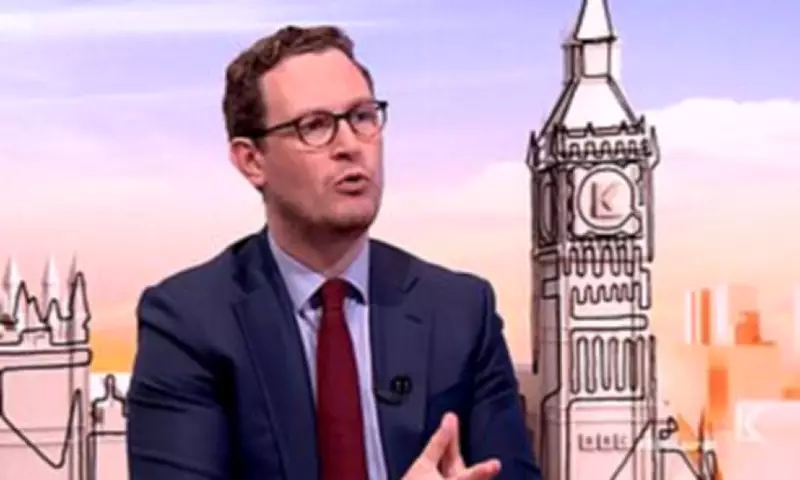
Britons should brace for higher prices on energy, food, and holidays until at least next year as a consequence of the ongoing Middle East crisis, a Cabinet minister cautioned on Sunday.
Darren Jones, speaking on the BBC's Sunday with Laura Kuenssberg, stated that the fallout from actions taken by former US President Donald Trump would have a 'long tail' even if the Strait of Hormuz were to reopen immediately—a scenario that currently appears unlikely.
The Strait, a critical chokepoint for approximately one-fifth of the world's oil and gas traffic, remains effectively closed, driving up pump prices for petrol and diesel and putting pressure on jet fuel costs. The full effects have yet to permeate the supply chain, but the minister warned that consumers will see increases in energy bills, food prices, and flight tickets.

The Middle East is a vital source for products such as fertiliser and CO2, which are essential for agriculture, industry, and medical applications. While Mr. Jones downplayed the prospect of immediate shortages in shops, he acknowledged that price rises would materialise over the coming months.
'You are going to see prices go up a bit as a consequence of what Donald Trump has done in the Middle East,' he said. 'That's probably going to come on line not just in the next few weeks, but in the next few months. There's going to be a long tail from this.'
When pressed on the duration, Mr. Jones estimated that even after the Strait of Hormuz is unblocked, economic impacts would persist for at least eight months. He added that higher energy and food costs, as well as increased airfare, would be among the consequences.
The International Monetary Fund (IMF) has warned that the UK will be among the worst affected by the disruption. Official figures released last week showed the headline CPI inflation rate for March rose to 3.3%, up from 3% in February, marking the highest annual level since December. Prior to the crisis, there had been expectations that inflation would soon return to the Bank of England's 2% target, paving the way for interest rate cuts.
The Office for National Statistics (ONS) attributed the increase primarily to higher motor fuel costs, which rose by 8.7% month-on-month—the largest monthly jump since June 2022, following the Russian invasion of Ukraine. These figures have increased pressure on Chancellor Rachel Reeves to support struggling families, though she has insisted on waiting until the economic effects become clearer.