UK's 'Illegitimacy Tax': Dual Nationals Face Citizenship Chaos Over Archaic Laws
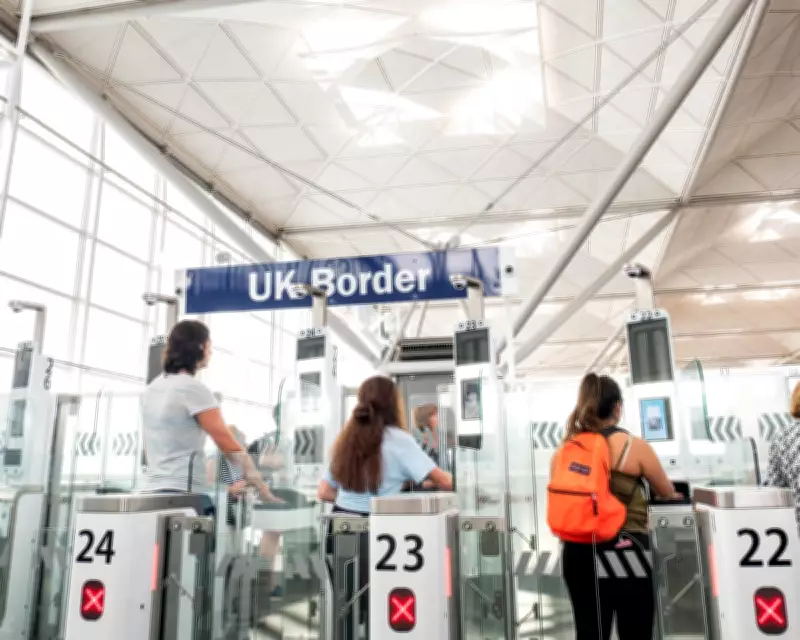
Two women who have spent nearly their entire lives in the United Kingdom are now embroiled in a distressing battle for British citizenship, all because of outdated legal provisions that label them as illegitimate due to their parents' marital status. Their plight has been exacerbated by new border control regulations, which demand that British dual nationals present a British passport or a costly certificate of entitlement to enter the country.
Architect of Discrimination: The 2005 Law Change
Simon Cox, an immigration barrister at Doughty Chambers, highlights the historical context of this issue. Parliament abolished other forms of discrimination against children of unmarried parents in 1987, but it wasn't until 2005 that the law was amended to grant automatic citizenship to such children based on their father's British status, he explains. However, a remedy for those born before 2005 was only introduced in 2022, leaving a gap that continues to affect individuals like Dawn and Sarah.
Dawn's Story: A Life Tipped Upside Down
Dawn, born in 1977 to an unmarried British father and a French mother, had held British passports without issue until 2018. Her renewal application was rejected because she could not provide a French passport in her married name—France issues documents with birth names. Having lived in the UK since age five and worked at the Ministry of Defence, Dawn never questioned her nationality until learning about the new border rules in February.
They put me through to the immigration section, and I was asked many questions surrounding my birth: when, where, and my parents' circumstances, and concluded that I'm not British and the previous passports I had were issued in error, she recounts. Fearing the loss of disability payments, she has turned to crowdfunding to cover the £1,735 citizenship application fee, calling the process humiliating and urging the Home Office to resolve the issue.
Sarah's Struggle: The 'Illegitimacy Tax'
Sarah, a mental health professional born in Manchester, has always held a French passport without problems until the rule change. Now, she faces being stranded abroad if she travels, forced to undergo fingerprinting and a citizenship test to obtain a certificate for a British passport. Because my parents were unmarried in 1999, I am legally treated as 'illegitimate'. If they had married, or if I were born just eight years later, my citizenship would be automatic, she states, dubbing the £130 fee an illegitimacy tax.
Despite submitting a 1999 high court paternal order, Sarah is treated as a new migrant in her lifelong home of Manchester, where she has an NHS number, national insurance, and has paid taxes since age 17. She must complete a UK-F type registration, a new provision for pre-2005 cases, to satisfy the Passport Office.
Systemic Failures and Calls for Reform
Cox criticizes the Home Office for its lack of support, suggesting that customer-facing authoritative help lines could advise and navigate British citizens through the new rules. He accuses immigration ministers and officials of disregarding citizens' interests, fostering an anti-customer service culture that prioritizes bureaucracy over people's distress.
The Home Office has been approached for comment but has yet to respond. As hundreds face similar hurdles, these cases underscore the urgent need for policy adjustments to prevent further chaos and financial burden on individuals caught in legal limbo.