Serial Upskirter Faces Deportation After Elon Musk Fuels Outrage Over Lenient Sentence
Upskirter Faces Deportation After Elon Musk Fuels Outrage

The Department of Home Affairs is actively reviewing the visa status of a serial upskirter who avoided imprisonment despite secretly filming more than one hundred women in public toilets. This development follows intense public outrage, significantly amplified by tech billionaire Elon Musk's intervention on social media.

International Backlash Intensifies

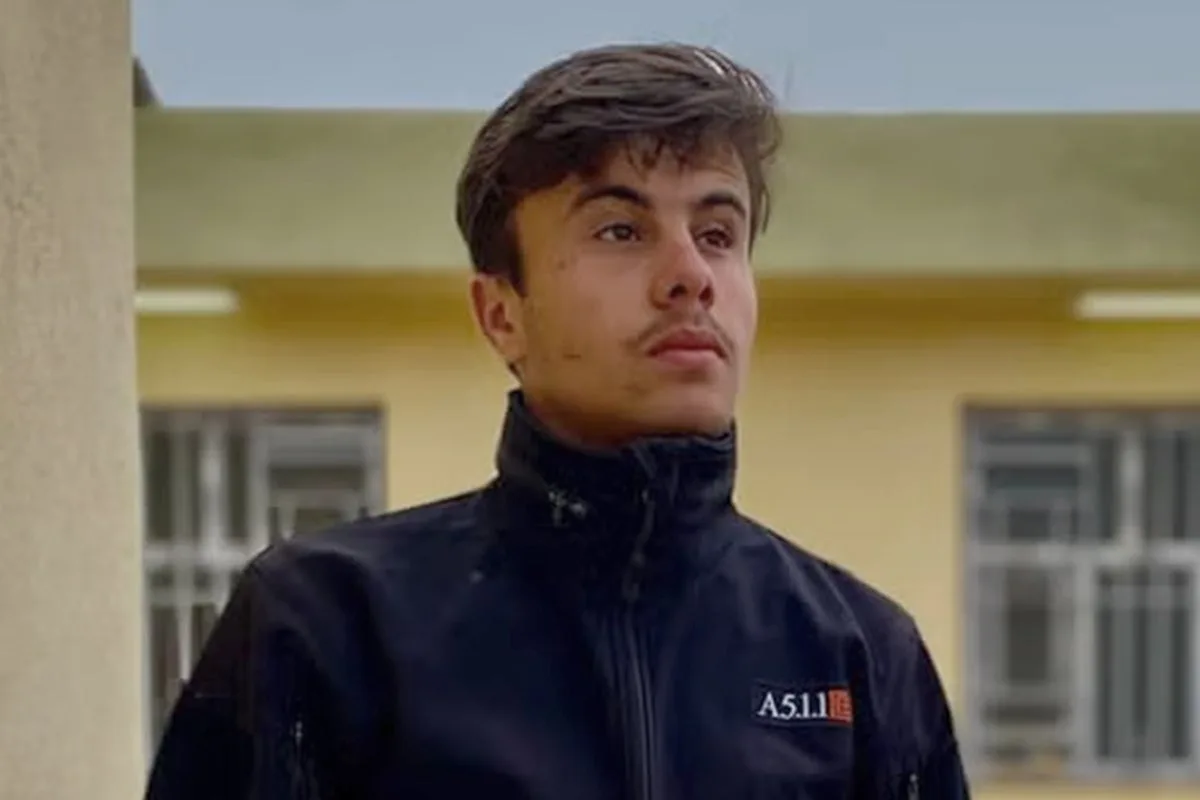
Bao Phuc Cao, a 23-year-old Vietnamese biomedicine student at the University of Melbourne, pleaded guilty to filming a woman inside a Docklands shopping centre bathroom in February 2025. Police investigations later uncovered over one hundred similar videos on his electronic devices. Despite the volume and predatory nature of the offences, Magistrate Michelle Mykytowycz spared him jail time last week, imposing only a community corrections order and a good behaviour bond.

The case garnered international attention after Tesla CEO Elon Musk responded to a post by activist Drew Pavlou on X. Pavlou had highlighted the lenient sentence, writing, 'He filmed 150 Australian women in toilets. Zero conviction. Judge didn't want to deport him.' Musk's blunt reply, 'Deport the judge,' propelled the story onto the global stage, sparking widespread condemnation.

Political and Advocacy Reactions

One Nation leader Pauline Hanson echoed the sentiment with a simple post: 'DEPORT.' However, women's rights campaigner Sall Grover offered a more nuanced perspective, arguing that deportation alone fails to address the core issue. 'Just deporting him means he is a free man in Vietnam and local women will be his victims. Absolutely nothing about the problem is solved,' she stated on X.

Grover advocated for legal reforms in Australia to establish clearer penalties for voyeurism and to prevent men from entering female-only spaces. She suggested an ideal outcome would involve Cao being resentenced and then deported to serve time in a Vietnamese prison, noting he has already pleaded guilty.

Profound Impact on Victims

During the sentencing hearing, the court heard harrowing details of the profound impact on one victim. The woman, who noticed Cao's phone pointed at her from under a cubicle wall at Chipmunks Playland and Cafe Docklands, now experiences significant anxiety and hypervigilance. Her sense of safety has been severely compromised, affecting her ability to use restrooms at work or in public settings.

Security personnel were alerted and apprehended Cao in a nearby toilet cubicle. When questioned about his presence in the women's toilet, Cao offered the perplexing explanation, 'I'm not sure about my gender.'

Legal Precedents and Visa Implications

This incident marks the third instance where Cao has avoided jail for similar predatory behaviour. Previous offences in October 2024 and July 2025 also resulted in community corrections orders without recorded convictions. Under the Migration Act, Australian authorities possess broad discretionary powers to cancel a visa on character grounds, even without a prison sentence, if an individual is deemed a risk to the community.

While mandatory cancellation typically applies to sentences of twelve months or more, officials are exercising their discretion in Cao's case. Magistrate Mykytowycz warned that any breach of the corrections order could lead to cancellation and resentencing.

Courtroom Drama and Aftermath

Cao sat with his head bowed for most of the hearing, dressed in a navy sweater and white collared shirt. Following the sentencing, he was hastily escorted from the Magistrates Court of Victoria by an unrelated man who attempted to shield him from media cameras. The image of Cao desperately concealing his face has become symbolic of the case's notoriety.

As the Department of Home Affairs continues its review, the case underscores ongoing debates about sentencing adequacy for voyeurism, the intersection of immigration law and criminal justice, and the powerful role of social media in shaping public discourse and legal outcomes.