The United States Department of Homeland Security has announced a fundamental overhaul of the H-1B visa programme, scrapping its longstanding random lottery system. The new approach will instead prioritise the allocation of visas to foreign workers who are offered the highest salaries and possess the most advanced skills.
From Random Chance to Wage-Based Selection
Officials confirmed the significant policy shift on Tuesday, 23rd December 2025. The existing lottery process, used for years to distribute the coveted work visas, will be replaced by a weighted selection system designed to favour higher-skilled, higher-paid candidates. The change is set to take effect on 27th February 2026, impacting the upcoming H-1B cap registration season.
Matthew Tragesser, a spokesman for U.S. Citizenship and Immigration Services, stated the move was necessary to address systemic flaws. "The existing random selection process of H-1B registrations was exploited and abused by U.S. employers who were primarily seeking to import foreign workers at lower wages than they would pay American workers," he said.
Part of a Broader Immigration Crackdown
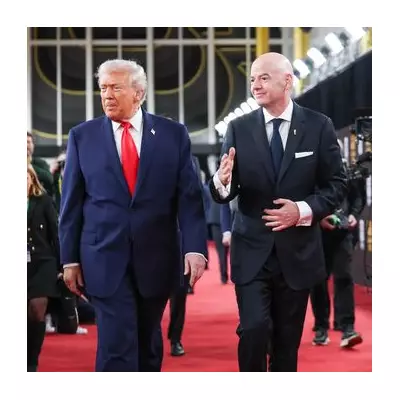
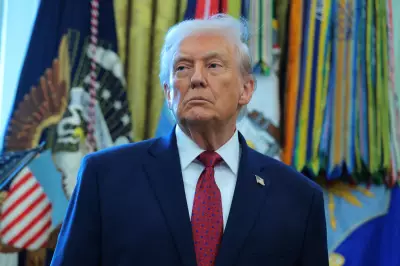
This reform is the latest in a series of actions by the Trump administration aimed at reshaping the controversial visa programme. Earlier in the year, President Donald Trump signed a proclamation imposing a hefty $100,000 annual fee on H-1B visas for highly skilled workers, a measure currently facing legal challenges.
The administration has also introduced a $1 million 'gold card' visa as a pathway to citizenship for wealthy investors. A press release stated the new H-1B rule is "in line with other key changes the administration has made", directly referencing the $100,000 visa fee.
Impact on Tech Giants and Programme Debate
The H-1B programme has been a critical talent pipeline for America's technology sector and other specialised industries. In the most recent cycle, Amazon was the top recipient with over 10,000 visas approved, followed by Tata Consultancy Services, Microsoft, Apple, and Google. California hosts the highest concentration of H-1B workers nationwide.
Supporters argue the programme is indispensable for driving innovation and economic growth, allowing employers to fill acute shortages in specialised fields like healthcare and technology. They contend it brings vital global talent to the US.
Critics, however, have long argued that the system is misused, with visas often going to entry-level IT positions rather than senior roles requiring niche expertise. They claim companies suppress wages by classifying jobs at the lowest permitted skill level, even when hiring experienced workers, thereby undercutting American labour.
The annual cap for new H-1B visas remains at 65,000, with an additional 20,000 reserved for applicants holding a master's degree or higher from a U.S. institution. The new selection process will determine which registrants within this fixed quota receive the opportunity to apply.