The Trump administration has dramatically expanded a controversial immigration measure, nearly tripling the number of countries whose citizens must post a financial bond of up to $15,000 to apply for a United States visa.
Rapid Expansion of Bond Requirements
In a significant policy shift, the US State Department added 25 new countries to its visa bond list on Tuesday, 6th January 2026. This comes less than a week after seven nations were initially added to the scheme. The bond requirement for these latest additions will take effect on 21st January 2026, as stated in a formal notice on the travel.state.gov website.
The move brings the total number of affected countries to 38. While the list is dominated by African nations, it also includes several from Latin America and Asia. US officials defend the bonds, which range from $5,000 to $15,000, arguing they are an effective tool to ensure travellers from these nations do not overstay their visas. Crucially, payment of the bond does not guarantee a visa will be granted. The sum is refunded if the visa is denied or when the holder proves they have complied with its terms.
New Countries and Stricter Entry Rules
The 25 nations newly subject to the bond requirement are: Algeria, Angola, Antigua and Barbuda, Bangladesh, Benin, Burundi, Cape Verde, Cuba, Djibouti, Dominica, Fiji, Gabon, Ivory Coast, Kyrgyzstan, Nepal, Nigeria, Senegal, Tajikistan, Togo, Tonga, Tuvalu, Uganda, Vanuatu, Venezuela and Zimbabwe.
They join an existing list comprising: Bhutan, Botswana, the Central African Republic, the Gambia, Guinea, Guinea-Bissau, Malawi, Mauritania, Namibia, Sao Tome and Principe, Tanzania, Turkmenistan and Zambia.
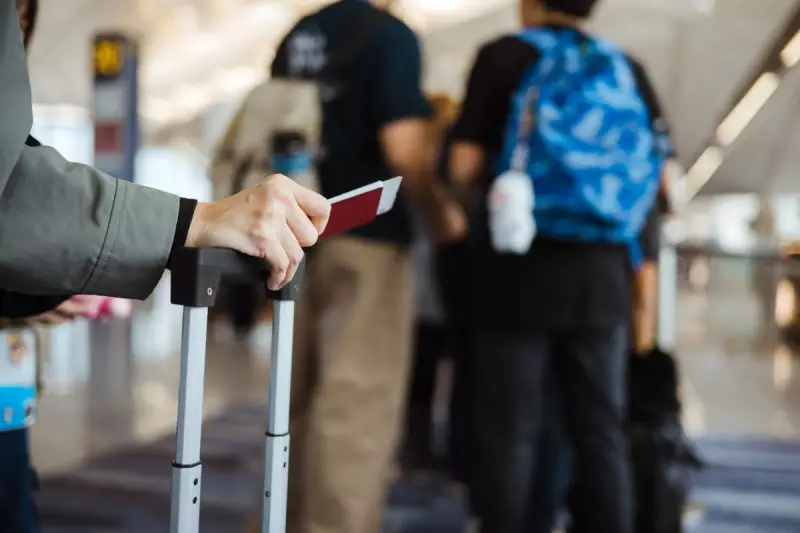
The State Department mandates that any passport holder from these countries, if found otherwise eligible for a B1/B2 visitor visa, must post a bond. The exact amount—$5,000, $10,000, or $15,000—is determined during the visa interview. Applicants must also submit a Department of Homeland Security Form I-352 and agree to the bond's terms via the Treasury's Pay.gov platform. This requirement applies regardless of where the application is made.
Further Tightening of US Immigration Controls
This bond scheme represents the latest effort by the Trump administration to tighten entry requirements. Other measures have included mandating in-person interviews and the disclosure of years of social media history for visa applicants from all countries, alongside detailed accounts of personal and family travel.
Furthermore, visa holders subject to the bond will face additional restrictions on their travel. They will be required to enter and exit the United States only through designated ports of entry. These include Boston Logan International Airport (BOS), John F. Kennedy International Airport (JFK), and Washington Dulles International Airport (IAD). Failure to comply may result in denied entry or an improperly recorded departure.
Critics argue that the high cost of the bonds makes the process of obtaining a US visa prohibitively expensive for many legitimate travellers from the affected nations, effectively creating a significant financial barrier to entry.