Albanese Government's New Hate Speech Laws Spark Concern Over Protest Rights
The passage of new hate speech legislation by the Albanese government has prompted significant unease among legal experts and civil liberties advocates. The laws, enacted amidst heightened political tension, have raised serious questions about their potential impact on Australia's long-standing tradition of non-violent public protest.
Rushed Legislation in Emotional Climate
Legal reform rarely emerges successfully from environments characterised by high emotion, political expediency, and rushed processes. Yet these were precisely the conditions under which the government's new hate speech laws were pushed through parliament this week. Remarkably, this legislative action precedes even the initial investigations of the recently established royal commission on antisemitism and social cohesion.
The tragic events at Bondi Beach, where two men targeted a Hanukah celebration with devastating consequences, understandably prompted national reflection. However, as Professor Luke McNamara notes, there remains no clear evidence about what role, if any, hate speech played in motivating this violence. Islamic State was already a proscribed terrorist organisation before these new laws, raising questions about which groups will actually be targeted.

Conflicting Reassurances from Government Figures
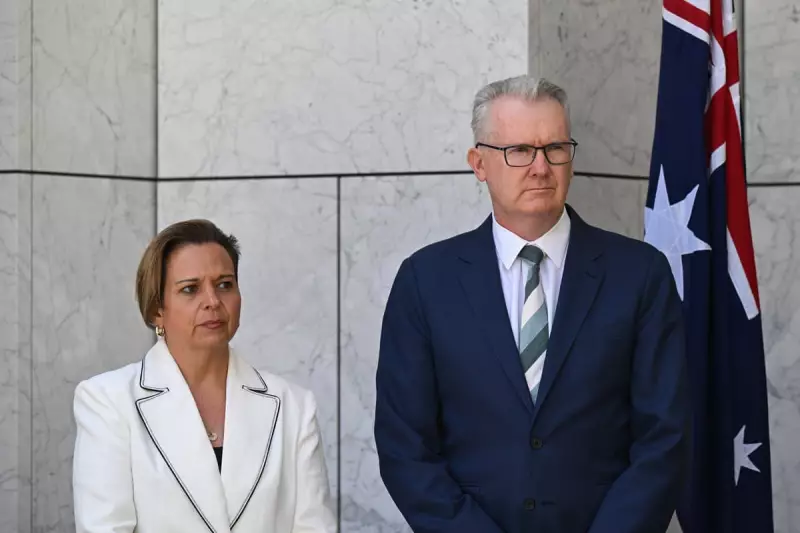
The words emerging from senior government figures following the legislation's passage have done little to allay concerns. Home Affairs Minister Tony Burke offered one perspective, stating he didn't believe protesters expressing criticism of Israeli government actions could "in any way, shape or form" fall foul of the new commonwealth hate crime laws.
Contrastingly, Attorney General Michelle Rowland struggled during an ABC 7.30 interview to provide clear guidance about whether groups accusing Israel of genocide or questioning its right to exist could be declared "hate groups" under the new regime. Her eventual concession that this was possible has heightened anxieties among Palestinian solidarity protest organisers across Australia.
Legislative Sleight of Hand
The government's approach contains elements of legislative sleight of hand that deserve scrutiny. Although the most controversial proposal - creating a new offence of intentionally inciting racial hatred - was dropped following free speech concerns, the revised legislation maintains significant reach.
The expanded conception of "hate crime" underpinning the new hate group proscription regime incorporates not only federal racist violence offences but also incitement offences from states like Western Australia, Victoria, and New South Wales. This creates the paradoxical situation where a group could be declared a "hate group" under national law for conduct that parliament itself deemed insufficiently serious to criminalise federally.
Balancing Security with Democratic Freedoms
There exists no sympathy for individuals or organisations intentionally inciting antisemitic hatred or hatred directed at any group defined by race, religion, sexuality, gender, or disability. Australia has spent decades developing appropriately balanced hate speech laws that respect this principle.
However, as Professor McNamara argues, we must moderate expectations about how much ever-expanding criminalisation can deliver community safety and social cohesion. The legitimate cause of antisemitism prevention can and should be advanced without imperilling Australia's long history of respecting non-violent public protest as a vital form of democratic participation.
Protest organisers and participants deserve clear, consistent reassurances from government leaders that Australians can both combat hatred and preserve essential democratic freedoms. The current conflicting messages and legislative ambiguities fail to provide this necessary clarity, leaving fundamental questions about the laws' implementation and impact unanswered.