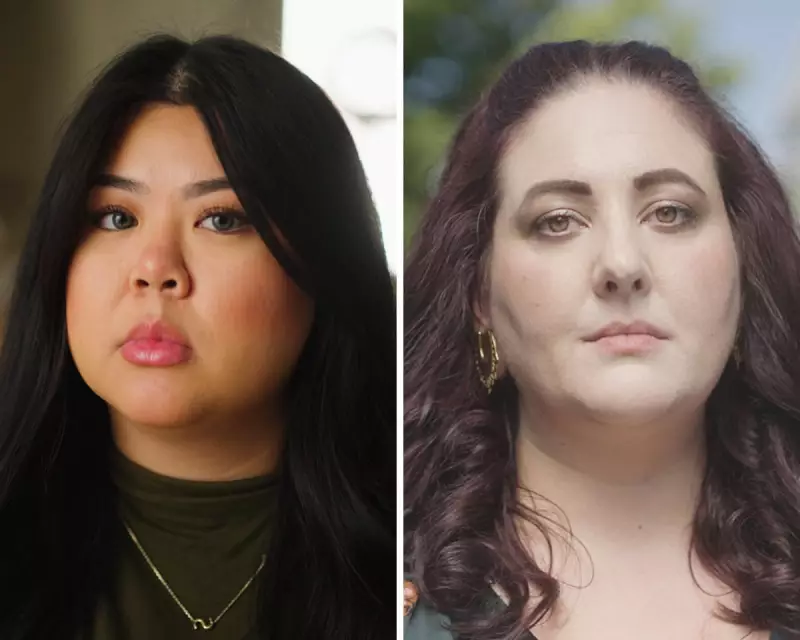
Four women from Arkansas have launched a landmark legal challenge against the state's stringent abortion restrictions, claiming the laws have placed them in "extreme danger" and violated their fundamental constitutional rights. The lawsuit, filed by the legal advocacy group Amplify Legal, seeks to overturn Arkansas's near-total abortion ban, arguing it is unconstitutionally vague and life-threatening for pregnant individuals.
Medical Emergencies and Legal Barriers
The plaintiffs include Emily Waldorf, a physical therapist who experienced a traumatic miscarriage in 2024. Despite her pregnancy being non-viable, hospital officials refused to induce labour because the fetus still had a detectable heartbeat, citing Arkansas's abortion laws. Waldorf described feeling like "a ticking time bomb" while waiting, fearing a deadly infection. Her sister, Elizabeth, contacted Governor Sarah Huckabee Sanders' office for assistance, only to be told Waldorf should "find a lawyer".
Ultimately, Waldorf was transported by ambulance to a hospital in Kansas, where abortion is permitted. There, she gave birth at approximately 17 weeks to a baby who died shortly after birth. Waldorf, now 40, named her child Bee.

Broader Implications of the Ban
The lawsuit highlights how Arkansas's abortion bans—two virtually identical laws—create confusion and danger in medical settings. Since the US Supreme Court overturned Roe v Wade in 2022, triggering a wave of state-level restrictions, numerous women nationwide have reported being denied medically necessary abortions. Doctors frequently criticise the exceptions in these bans as too vaguely worded to be practical in emergencies.
"Arkansas's abortion bans are vague, confusing, and worse, extremely dangerous," the legal filing states. It questions how pregnant Arkansans can access comprehensive obstetric care when leaving the state involves travelling through remote areas, often to neighbouring states with their own abortion restrictions.
Personal Stories of Hardship
Chelsea Stovall, a 35-year-old mother of two, discovered in late 2022 that her fetus had a congenital anomaly making the pregnancy non-viable. She and her husband drained their savings to travel to Illinois for an abortion, where an anti-abortion protester allegedly threw a bloody Maxi pad at their car.
Theresa Van, 30, learned in 2023 that she lacked sufficient amniotic fluid for fetal development. With the fetus still having a heartbeat, she could not obtain an abortion in Arkansas. She continued the pregnancy for several weeks at increasing personal risk until the heartbeat ceased, resulting in a stillborn daughter.
Allison Howland became pregnant in 2024 after a sexual assault. She initially hoped DNA from the pregnancy could aid police, but investigators concluded little could be done as the alleged assailant claimed consent. A detective reportedly told Howland the man "seemed like a really nice guy". When she planned an abortion in Illinois, police advised her "not to bother" preserving remains as evidence.
Constitutional and Legal Arguments
The lawsuit contends that Arkansas's abortion laws violate the state constitution's guarantees of equality, life, liberty, and happiness. It argues these restrictions infringe on the right to choose family planning, while also threatening lives, fertility, and economic wellbeing. The filing marks the first case by Amplify Legal, the litigation arm of Abortion in America, co-founded by the late reproductive rights activist Cecile Richards.
In response to the allegations, Sam Dubke, communications director for Governor Sanders' office, defended Arkansas's stance, noting the state has been named "the most pro-life state in the country" for six consecutive years. He emphasised the administration's investments in foster care, adoption, maternal health, and childhood wellbeing, adding that Governor Sanders "looks forward to defending Arkansas's pro-life laws in court".
Howland's statement in the lawsuit encapsulates the plaintiffs' anguish: "I was violated and put into extreme danger and living in a state like Arkansas – I was royally fucked." The case underscores the ongoing national debate over reproductive rights post-Roe, with these Arkansas women seeking judicial intervention to address what they describe as life-threatening legal constraints.