

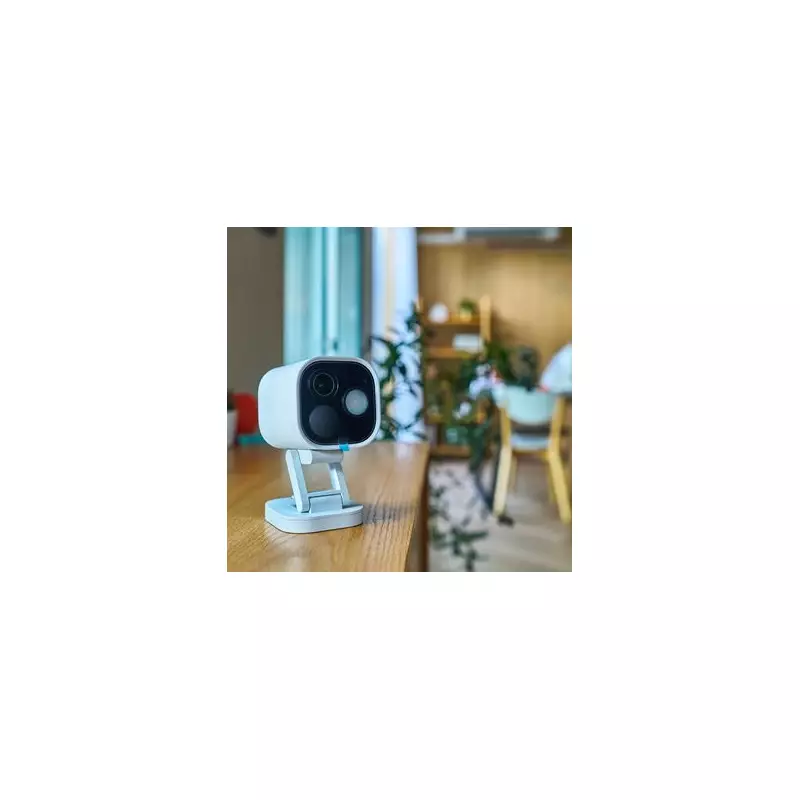
Homeowners across the UK are being warned that incorrectly positioned security cameras could see them facing criminal prosecution for offences like harassment or stalking. The stark reminder follows a parliamentary exchange highlighting the legal tightrope walked by millions using domestic CCTV and smart doorbells.
MPs Clarify Legal Boundaries for Domestic Surveillance
The issue was raised in the House of Commons when Conservative MP Suella Braverman questioned whether the Home Office would review the classification of neighbour harassment involving intrusive CCTV. Responding for the government on 06 January 2026, Labour MP Sara Jones set out the precise legal framework governing home surveillance systems.
She stated unequivocally that where evidence exists, filming from a home camera system could lead to prosecution under the Protection from Harassment Act 1997. "Where there is sufficient evidence of harassment or stalking from a domestic camera system, this may lead to prosecution for a criminal offence of harassment or stalking," Jones wrote.

Data Protection Law Applies to Most Home CCTV
Beyond criminal harassment charges, the MP emphasised that individuals filming beyond their property boundary must fully comply with the UK General Data Protection Regulation (GDPR) and the Data Protection Act 2018. This is because capturing images or voices of people outside one's home counts as processing their personal information.
Official guidance from the Information Commissioner’s Office (ICO) clarifies that this includes fixed cameras and smart doorbells. It advises that cameras should be positioned to only capture your own property where possible. If your CCTV captures a neighbour's garden, a public footpath, or a communal area, data protection law immediately applies.
Your Legal Obligations Under Data Protection Law
If your system records outside your boundary, you have a number of legal responsibilities. You must:
- Have a clear, legitimate reason for using the CCTV.
- Ensure it does not capture more footage than is necessary for your stated purpose.
- Inform people they are being recorded, typically by displaying a clear notice.
- Delete footage regularly and automatically when it is no longer needed.
- Provide a copy of recordings to anyone you have filmed if they request it, subject to certain conditions.
- Stop recording an individual if they object and you have no overriding reason to continue.
Jones also noted that police have a range of powers to tackle behaviour causing "harassment, alarm or distress," and the government supports their use to keep communities safe. Outside of criminal law, improper surveillance could also lead to claims of private nuisance under common law.
Householders are being urged to consult the detailed guidance on the ICO and Gov.uk websites to ensure their home security measures do not inadvertently breach the law and turn them from a vigilant resident into a legal offender.






