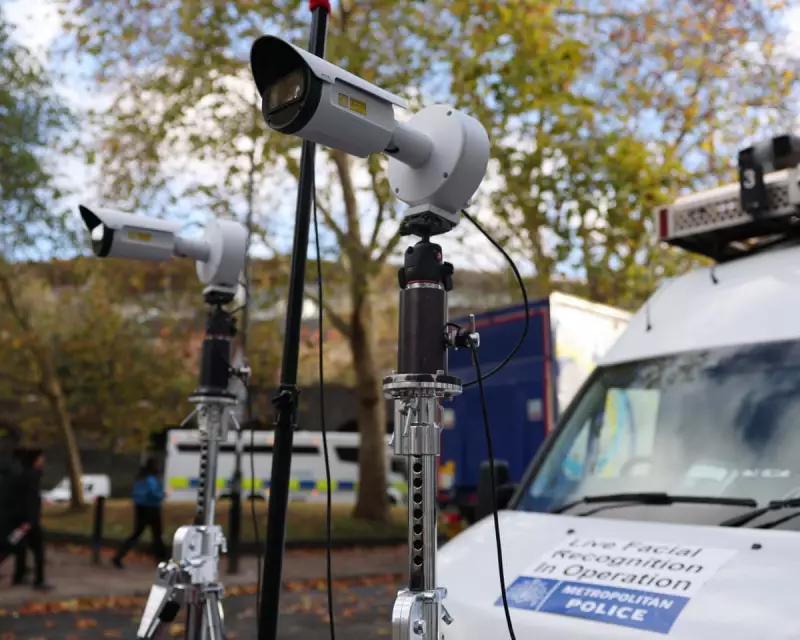
The Home Office is facing serious questions over the reliability and fairness of its facial recognition technology after a damning report from the UK's data protection watchdog.
The Information Commissioner's Office (ICO) found that the government department's systems demonstrated significantly lower accuracy rates when processing images of Black and Asian individuals compared to white faces.
Investigation Uncovers Systemic Flaws
The ICO launched its investigation following concerns about the potential for algorithmic bias within the Home Office's digital verification tools. These systems are used in various applications, including some connected to immigration and border control processes.

The watchdog's technical audit confirmed the fears. Its analysis revealed a clear pattern of disparate performance based on ethnicity. The technology struggled more frequently to correctly match or verify the identities of people from Black and Asian backgrounds.
This flaw, known as "demographic differentials" in performance, is a well-documented problem in some biometric systems. It often stems from training datasets that lack sufficient diversity, leading to software that is less effective for groups underrepresented in that data.
Implications for Rights and Trust
The findings have immediate and profound implications. The use of biased technology by a major government department risks leading to discriminatory outcomes.
For individuals, a system failure could mean unnecessary delays, increased scrutiny, or the denial of access to services. On a broader scale, it erodes public trust in the government's use of automated decision-making and surveillance tools.
Information Commissioner, John Edwards, emphasised the gravity of the situation. He stated that such bias in systems used by the state is unlawful and must be addressed with urgency. The ICO has now mandated that the Home Office take immediate corrective action.
The Path to Rectification and Scrutiny
In response to the ICO's enforcement notice, the Home Office must now undertake a comprehensive review of its facial recognition technology. The department is required to:
- Conduct a detailed assessment of the bias risks across all its live systems.
- Implement concrete measures to mitigate and eliminate the identified performance disparities.
- Report back to the ICO with evidence of compliance.
Failure to adequately resolve the issues could result in substantial fines. More importantly, it would leave a flawed system in operation, perpetuating potential harm.
This case has amplified calls from civil liberty groups and MPs for stricter regulatory oversight of facial recognition and AI tools used in the public sector. They argue that pre-deployment bias testing and ongoing audits should be a legal requirement to prevent discrimination from being baked into official processes.
The Home Office has acknowledged the ICO's findings and stated it is reviewing the systems in question. However, the incident serves as a stark warning about the real-world consequences of deploying advanced technology without rigorous, ongoing checks for fairness and accuracy.