In a dramatic U-turn that represents a monumental victory for campaigners, the government has formally abandoned its controversial Legacy and Reconciliation Bill that would have dramatically changed how Northern Ireland's troubled past is addressed.
A Battle Won for Hillsborough Families
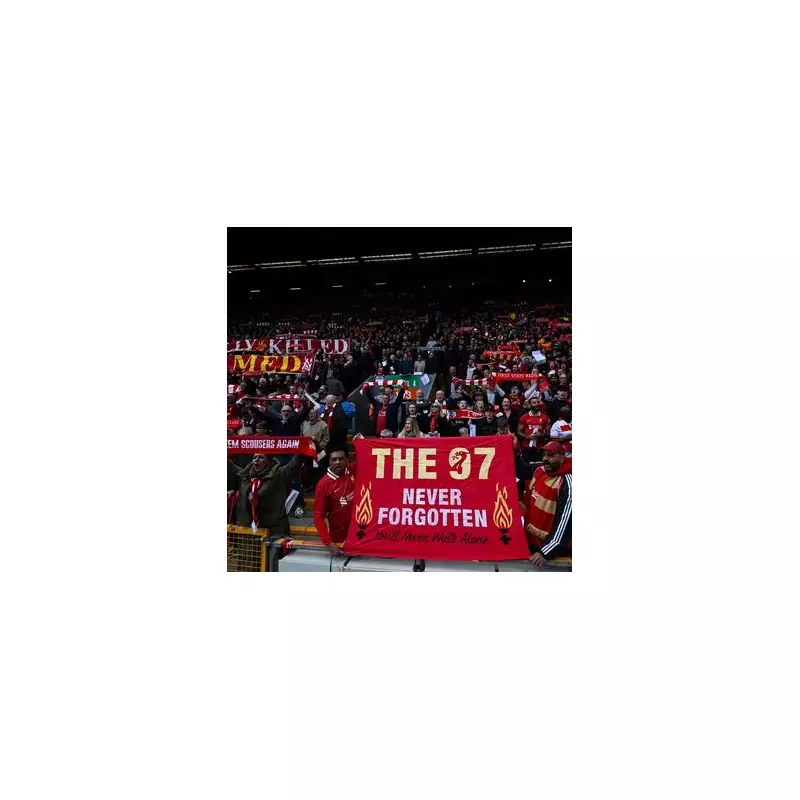
The proposed legislation had faced fierce opposition from multiple fronts, but perhaps most significantly from the families of the 97 Hillsborough victims. They had argued the bill would have provided what amounted to an "amnesty" for those responsible for the 1989 stadium disaster.
The legislation's collapse comes after the government acknowledged it could no longer proceed with the bill in its current form, marking the end of a bitter political battle that had united victims' groups, political parties, and human rights organisations in opposition.

What Was the Controversial Bill?
The proposed legislation would have:
- Established a new truth recovery body to investigate Troubles-era cases
- Offered conditional immunity from prosecution for those who cooperated
- Effectively halted future civil cases and inquests related to the conflict
While intended to address the legacy of Northern Ireland's Troubles, the bill's provisions would have had far-reaching consequences for other cases, including the Hillsborough disaster.
Families' Relieved Reaction
Hillsborough families had been particularly vocal in their opposition, fearing the legislation could have prevented further accountability for the 97 Liverpool fans who lost their lives. Many had campaigned for decades to establish the truth about what happened at the Sheffield stadium.
The government's retreat represents a hard-won victory for these families, who argued the bill represented a betrayal of their long fight for justice.
With the legislation now officially withdrawn, attention turns to what alternative approach the government might take to address the complex legacy of Northern Ireland's past while ensuring justice remains accessible for all victims.