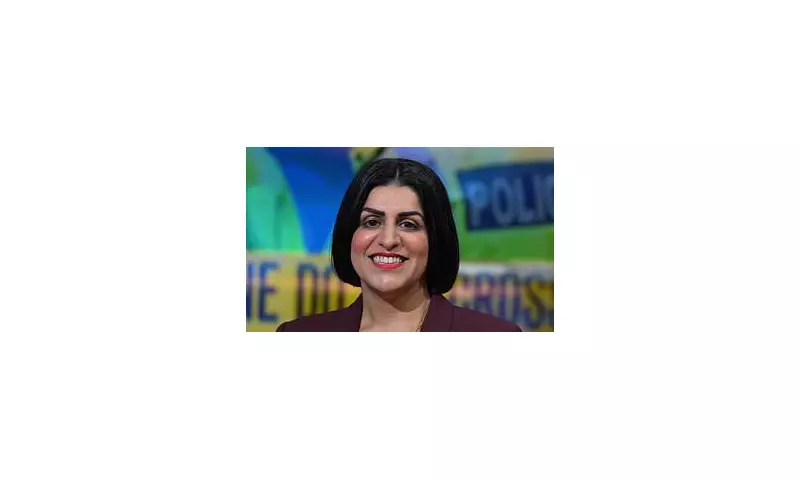
In a significant policy shift, the Home Secretary is poised to abolish non-crime hate incidents (NCHIs) in their current form, according to reports emerging last night. Shabana Mahmood has expressed strong concerns that these records have diverted police attention away from tackling everyday criminal activities, urging officers to refocus on core duties.
Focus on Core Policing Priorities
Ms Mahmood articulated her vision for a more efficient police force, stating that officers should concentrate on 'catching criminals, cutting crime, making sure that people in our neighbourhoods feel safe'. In an interview with the Daily Telegraph, she emphasised her desire to move policing away from monitoring legal social media content. 'I don't want them to be policing perfectly legal tweets. I want to make sure that they're focused on the day job,' she remarked, adding, 'I want them to get out of the business of essentially policing social media. That's not where they need to be.'
Support from Senior Police Figures
This move aligns with longstanding criticism from senior police officials who have labelled NCHIs as not 'fit for purpose'. Both the College of Policing and the National Police Chiefs' Council (NPCC) have previously advocated for scrapping the practice. They argue that forces across England and Wales should cease recording incidents that stem from 'toxic culture wars debates', which do not meet criminal thresholds.

Non-crime hate incidents are defined as actions perceived to be motivated by hatred towards protected characteristics such as race or gender, yet they fall short of constituting a criminal offence. Critics contend that these records have been increasingly used to document minor disputes, potentially stifling free speech and consuming valuable police resources. Moreover, such incidents remain on police records indefinitely and can surface during background checks, raising concerns about their long-term impact.
Controversial Cases Highlighting Issues
The decision to overhaul NCHIs follows several high-profile cases that have sparked debate over police priorities. For instance, Graham Linehan, creator of Father Ted, was arrested by five armed officers in September over online comments regarding transgender activists. His post on X stated: 'If a trans-identified male is in a female-only space, he is committing a violent, abusive act. Make a scene, call the cops and if all else fails, punch him in the balls.'
Linehan later clarified during his police interview that the tweet was intended as a serious point delivered humorously, explaining it referenced height differences between men and women and was not a call to violence. The Crown Prosecution Service eventually dropped the case, and Linehan announced plans to sue the Metropolitan Police for wrongful arrest and human rights breaches.
Other notable cases include columnist Allison Pearson being investigated after mistakenly labelling activists as 'Jew Haters', former officer Harry Miller receiving a visit from Humberside Police over an allegedly transphobic tweet, and grandmother Helen Jones being approached by plain-clothes officers for an online post about a Labour councillor. These incidents have fuelled arguments that NCHIs are being misapplied, leading to unnecessary police involvement in non-criminal matters.
Framework for Change
When questioned about the future of NCHIs, Ms Mahmood confirmed, 'I expect to see them changed, absolutely. The question is, what do you do instead?' She asserted that the current system is unacceptable and will not remain, promising a new legal framework to replace it. 'The current framework is not working and it does need to change,' she added, indicating that details will be unveiled following Lord MacDonald's review of public order and hate crime.
This overhaul represents a pivotal moment in UK policing, aiming to balance public safety with civil liberties while ensuring law enforcement resources are allocated effectively to combat genuine crime.