

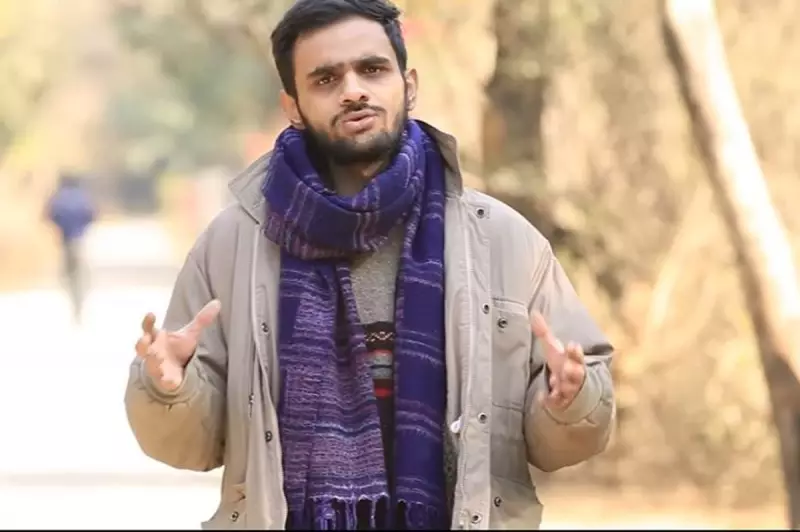
India's highest court has refused bail to two prominent Muslim activists who have spent five years in prison awaiting trial on conspiracy charges linked to deadly sectarian violence.
Court Cites 'Central Role' in Denying Relief
On Monday, 5 January 2026, the Supreme Court of India denied bail to Umar Khalid and Sharjeel Imam. The pair were arrested in 2020 under the stringent Unlawful Activities Prevention Act (UAPA), accused of inciting riots in the capital, Delhi. The court acknowledged the lengthy delay in their trial but stated this was not sufficient grounds for release, noting the men held a "central role in the conspiracy" compared to other accused.
In a contrasting move, the same court granted bail to five other individuals charged in the same case. The court emphasised that Mr Khalid and Mr Imam stand on a "qualitatively different footing".

International Scrutiny and Domestic Backlash
The ruling arrives just one week after eight US lawmakers wrote to India's ambassador in Washington, expressing deep concern over Mr Khalid's prolonged pretrial detention. They urged Indian authorities to ensure a fair and timely trial, warning that the use of the UAPA may contravene international standards of due process and proportionality.
New York City mayor Zohran Mamdani also sent a personal note of support to Mr Khalid last week. The case has drawn repeated condemnation from global human rights organisations like Amnesty International, which has called the detentions a derailment of justice and part of a broader pattern of repressing dissent.
A Case Rooted in Deadly Unrest
The charges stem from the February 2020 Delhi riots, which left 53 people dead, the majority of them Muslim. The violence erupted during mass protests against a controversial citizenship law passed in 2019, which critics argued discriminated against Muslims.
Prosecutors for the Delhi police argued the violence was a deliberate plot to tarnish India's image and that the activists gave provocative speeches. Their defence lawyers maintain there is no evidence linking them directly to the violence. Dozens of other Muslims were charged in the aftermath, with many cases later collapsing due to lack of evidence.
Mr Khalid's bail pleas have now been rejected on at least five separate occasions, though he was granted brief temporary release in 2024 and 2025 to attend family weddings. Reacting to the latest verdict, his partner relayed his mixed feelings, quoting him as saying he was "really happy for others who got bail" but adding resignedly, "this is life now".
Mr Imam's uncle, Arshad Imam, expressed shock at the decision, telling the PTI news agency he had high hopes for bail but would respect the court's verdict while maintaining his nephew's innocence.






