Iran was plunged into a nationwide internet blackout on Thursday as a major wave of anti-government protests intensified and spread across the country. The disruption, which authorities are widely believed to have orchestrated, coincided with some of the largest demonstrations seen in three years.
Widespread Unrest and Regime Response
The protests erupted following a call for mass demonstrations from exiled crown prince Reza Pahlavi, the son of Iran's late Shah. His appeal prompted citizens in Tehran and other major urban centres to take to the streets in defiance of the regime.
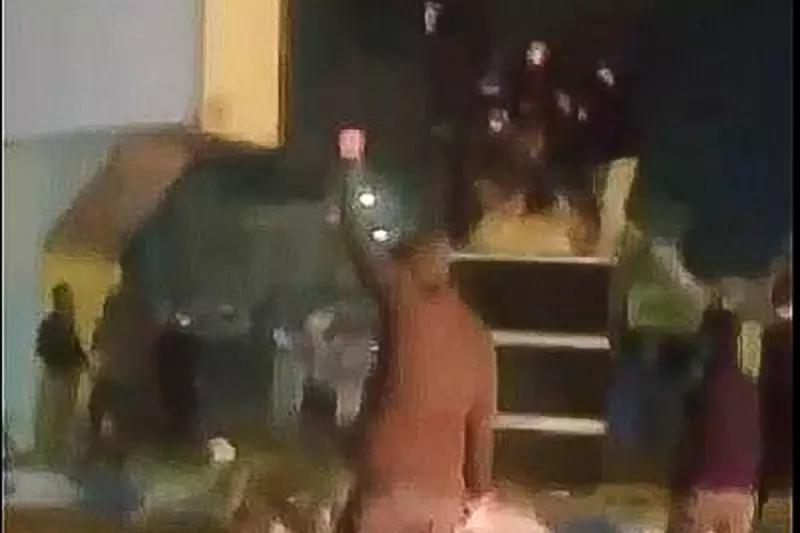
Eyewitness accounts and circulated videos depicted a tense scene, with crowds chanting slogans such as 'Death to the dictator!' and 'Death to the Islamic Republic!'. Reports also emerged of burning cars, underscoring the volatility of the situation. Human rights groups monitoring the crackdown reported a significant toll, citing at least 41 deaths and over 2,270 detentions linked to the demonstrations.

Fuel for the Flames: Economic and Social Grievances
This significant surge in dissent is not occurring in a vacuum. Analysts point to a potent mix of long-simmering frustrations that have ignited public anger. Severe economic hardship, driven by rocketing inflation that has crippled household budgets, forms a central pillar of the discontent.
Equally powerful are deep-seated resentments over the state's strict controls on political expression and social freedoms. The combination has created a tinderbox, with Prince Pahlavi's call providing a focal point for a broad spectrum of opposition to the Islamic Republic's leadership.
A Digital Iron Curtain and International Scrutiny
The government's move to impose a near-total internet blackout is a familiar tactic, used to stifle coordination between protesters and obscure the scale of the unrest from the outside world. By severing digital communication lines, authorities aim to control the narrative and hinder the organisation of further demonstrations.
However, such measures also draw immediate condemnation from global human rights organisations and foreign governments, who accuse Iran of attempting to hide the true cost of its suppression. The events of Thursday 8 January 2026 mark a critical juncture, suggesting that the regime's challenges from within are reaching a new peak of intensity.