Iran's Supreme Leader, Ayatollah Ali Khamenei, has taken a defiant stance, insisting the Islamic Republic will 'not back down' in the face of escalating nationwide protests. His comments on Friday come after the largest demonstrations yet in a movement nearly two weeks old, primarily fuelled by public anger over the soaring cost of living.
Nationwide Demonstrations and a Digital Blackout
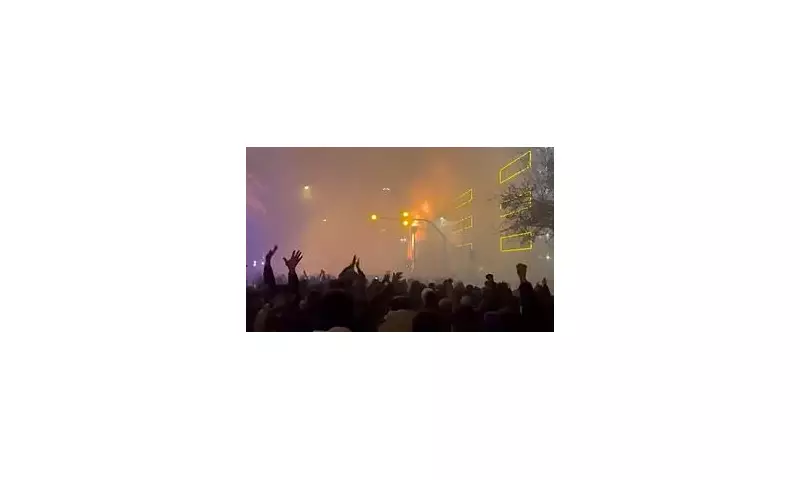
Late on Thursday, crowds opposed to the clerical establishment marched through major cities, including Tehran, Tabriz, Mashhad, and Kermanshah. Protesters were heard chanting slogans such as 'death to the dictator' and were seen setting fire to official buildings, including the entrance to a state television branch in Isfahan and the governor's building in Shazand.
In a significant move to quell the unrest, authorities imposed a near-total internet blackout. The internet monitor NetBlocks reported the country had been offline for over 12 hours by early Friday, describing it as an attempt to suppress the sweeping protests.

Khamenei's Defiant Response and US Tensions
In his first public address on the protests that began escalating from January 3rd, Khamenei struck a hardline tone. He labelled the demonstrators as 'vandals' and 'saboteurs' in a speech broadcast on state television. He linked the unrest to foreign adversaries, stating that US President Donald Trump's hands 'are stained with the blood of more than a thousand Iranians', an apparent reference to US support for Israel.
Khamenei predicted the 'arrogant' US leader would be overthrown, drawing a parallel to Iran's pre-revolution monarchy. He emphasised the regime's resilience, stating it was founded on the blood of martyrs and would not yield.
A Mounting Challenge and International Reaction
The current wave of protests represents one of the most significant challenges to the Islamic Republic in its over four-decade history, with some demonstrators openly calling for an end to theocratic rule. Rights groups have accused authorities of using lethal force, with dozens reported killed.
The movement has also spread to universities, causing disruptions like the postponement of final exams at Tehran's Amir Kabir University. From the United States, Reza Pahlavi, the son of the deposed Shah, urged for continued protests, while President Trump warned the Iranian regime, stating the US was 'ready to hit them very hard' if protesters were killed.
These demonstrations are the largest since the nationwide rallies in 2022-2023 triggered by the death in custody of Mahsa Amini.