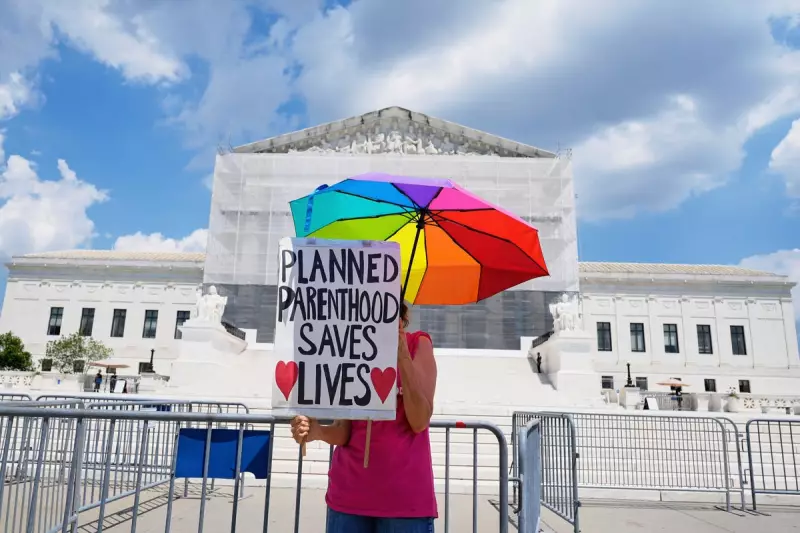
Legal Battle Over Medicaid Funding for Planned Parenthood
A federal judge is set to hear arguments on Wednesday, 12th November 2025, regarding a controversial spending law that halted Medicaid reimbursements for Planned Parenthood clinics across the United States. The hearing will determine whether the legislation, enacted in July, can remain in effect as legal challenges proceed through the courts.
Financial Impact and Clinic Closures
According to a report released by Planned Parenthood ahead of the hearing, the organisation lost a staggering $45 million in September alone due to the funding cuts. Clinics nationwide have been forced to pay for treatments for Medicaid patients out of their own pockets, a situation the group describes as unsustainable. Since July, 20 Planned Parenthood clinics have closed, adding to a total of 50 closures since the start of Donald Trump's second term as President.
Nearly half of all Planned Parenthood patients depend on Medicaid for healthcare services other than abortion, which the federal insurance programme for low-income and disabled Americans does not cover. The financial shortfall has forced some clinics to bill Medicaid patients directly, while others face permanent closure.

In response, seven states—California, Colorado, Massachusetts, New Jersey, New Mexico, New York, and Washington—have allocated state funds to compensate for the lost federal money. This has covered roughly $200 million of the $700 million Planned Parenthood spends annually on Medicaid patients.
Core of the Debate: Abortion Services
The legislation, part of President Trump's tax and spending cut bill, specifically targets organisations that provide abortions and receive more than $800,000 a year in Medicaid reimbursements. Anti-abortion activists have praised the law. Carol Tobias, president of the National Right to Life Committee, stated it is a step in the right direction, arguing that taxpayers should not be forced to fund organisations that provide abortions, even indirectly.
Planned Parenthood, however, contends the law is unconstitutional. The organisation's president, Alexis McGill Johnson, emphasised their commitment to providing abortions, stating, "The government should not play a role in determining any pregnancy outcomes."
Despite being the nation's largest abortion provider, abortions constituted only 4% of its services in 2024. The vast majority of its work involves testing for sexually transmitted infections and contraception services, which make up about 80% of its medical care. The remaining services include cancer screenings, primary care, and behavioural health.
Jenna Tosh, CEO of Planned Parenthood California Central Coast, highlighted the broader threat, noting that roughly 70% of their patients rely on Medicaid. "Many of our patients, we are their primary provider of health care," she said. "You really start pulling at the thread of the entire health care safety net for the most vulnerable people."
The legal challenges were filed in July by the Planned Parenthood Federation of America and its affiliates in Massachusetts and Utah, along with a major medical provider in Maine, against Health and Human Services Secretary Robert F. Kennedy Jr. An appeals court had previously allowed the law to take effect in September while a lower court considers the case.