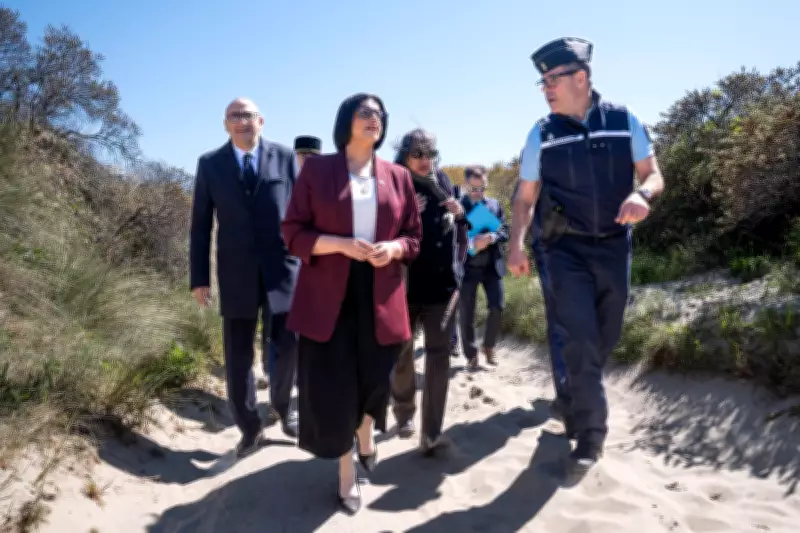
Shabana Mahmood, the Home Secretary, finds herself in a precarious position within the Labour Party. While her hardline immigration policies resonate with the general public, they have drawn sharp criticism from charities and even some within her own party. The controversy centers on proposals that would allow immigration enforcement officers to physically handle children, including handcuffing them, during deportation procedures.
The Controversial Proposals
The Home Office consultation document outlines scenarios where children could be restrained if they resist deportation. For instance, if a parent refuses to release a child's hand, this could be considered non-compliance, potentially leading to physical intervention. Charities have described these measures as 'abhorrent,' warning of lasting trauma and emotional damage. They argue that children who grow up in the UK belong there and need stability to thrive.
The proposals evoke comparisons to aggressive enforcement tactics used by US Immigration and Customs Enforcement (ICE) under Donald Trump. Older observers may recall Ann Widdecombe's defense of shackling female prisoners in hospital, a practice widely condemned as barbaric. While it remains unclear whether these measures will be implemented, the backlash has already inflicted political damage on Mahmood.

Public vs. Party Opinion
Mahmood's tough stance on immigration has made her popular among voters, including some Conservatives like Michael Gove. However, within the Labour Party, her approval ratings are low. According to a recent LabourList/Survation survey, she has a net approval rating of minus 12 per cent among party members, making her the least popular cabinet member. In contrast, Ed Miliband enjoys a +65 per cent rating, John Healey +46 per cent, and Wes Streeting +21 per cent. Keir Starmer stands at minus 2 per cent.
Despite her unpopularity within the party, Mahmood's policies align with public concerns about migration. She has framed new legislation to tighten controls and successfully closed some asylum hotels. Yet, she has not fully delivered on her promises, and the political cost is evident.
Could She Become Prime Minister?
Mahmood's potential as a future leader is uncertain. While she might appeal to the broader electorate, her standing among Labour members, who select the leader, is weak. If she cannot improve her party approval, she may struggle to succeed Keir Starmer. However, if she achieves notable success in the Home Office, a department known for tarnishing ambitions, her time may come.