

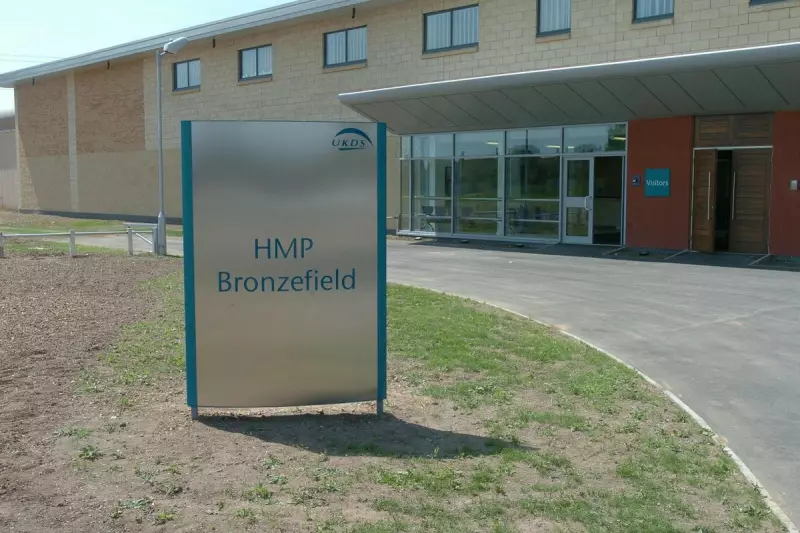
Eight activists from the pro-Palestinian group Palestine Action have initiated an open-ended hunger strike inside HMP Bronzefield, sparking what campaigners describe as the largest coordinated prison hunger strike in Britain in nearly four decades.
Critical Health Situation and Core Demands
The protest began on 2 November 2025 and has now reached a critical phase. Several of the hunger strikers have required hospitalisation due to their deteriorating health, raising serious concerns among medical professionals and supporters.
The group's demands are multifaceted and centre on both their immediate treatment and broader legal status. They are calling for:

- The immediate de-proscription of Palestine Action, demanding the government lift its classification as a terrorist organisation.
- Granting immediate bail to the imprisoned activists.
- Ensuring their right to a fair trial and protecting their freedom of expression and opinion while incarcerated.
Campaigners have made specific allegations regarding the treatment of one striker, Qesser Zuhrah. They claim that after she was hospitalised on her 47th day without food, her treatment was delayed because prison staff reportedly refused entry to an ambulance.
Political Reactions and Government Stance
The situation has drawn significant political attention. MPs Jeremy Corbyn and Zarah Sultana have publicly backed the activists. Corbyn raised the issue in Parliament, criticising the government for its refusal to engage with the protesters' representatives.
In response, Prime Minister Sir Keir Starmer has stated that the government is following established rules and procedures in handling the matter. This stance has done little to assuage the concerns of over 800 doctors, legal experts, and family members who have jointly written to Justice Secretary David Lammy, urging him to meet with the prisoners' lawyers to address the escalating crisis.
A Growing Protest with Historical Echoes
The scale and duration of this hunger strike mark a significant moment for protest movements within the UK prison system. The campaigners' assertion that this is the largest such action in almost 40 years underscores the gravity with which they view their cause and the charges against them.
With the health of the strikers reaching a perilous stage, pressure is mounting on the Ministry of Justice to intervene. The core conflict lies between the activists' demands for political recognition and legal fairness, and the government's insistence on adhering to standard judicial and penal processes.






