The 'Brollygate' Affair: A Question of Priorities
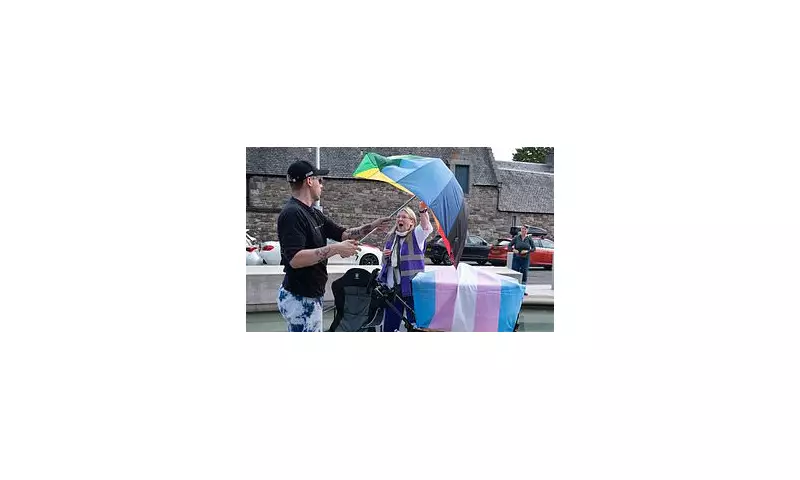
Police Scotland has become embroiled in what critics are calling the 'Brollygate' scandal, after devoting significant resources to investigating an allegedly damaged rainbow umbrella during a protest, while simultaneously pleading poverty over investigating minor crimes. The incident occurred during a 'Women Won't Wait' demonstration outside the Scottish Parliament, where counter-protester Tom Harlow claimed his umbrella was vandalised.
The force subsequently informed Susan Smith of For Women Scotland that she was facing vandalism charges, only to perform a humiliating U-turn and drop the inquiry on Friday. This reversal came despite Chief Constable Jo Farrell having previously stated the investigation into a potential crime had to be taken seriously. It later emerged that a key fact had been overlooked: the umbrella appeared to be broken before the alleged incident.
A Force Under Financial and Ideological Scrutiny
This episode has raised serious questions about Police Scotland's 'proportionate response' strategy, which dictates that 'minor' crimes are not investigated without a solid lead due to financial constraints. The force claims it is running out of cash, with Chief Constable Farrell telling a parliamentary committee it needed £140 million to stay afloat. Paradoxically, the force managed to find more than £130,000 to assist Farrell in purchasing a second home.

Former Police Scotland superintendent Martin Gallagher described 'Brollygate' as another example of what happens when the police have sadly given the impression... that they have abandoned political neutrality and favour some causes over others. This perception is fuelled by the force's deep involvement in gender identity policies. Officers have been asked to 'evangelise' their allyship via an LGBT Toolkit, and the force previously compared feminist campaigners to Nazis in a circulated document, for which no one faced disciplinary action.
Crime Wave and a Crisis of Public Trust
This focus on ideological issues unfolds against a backdrop of a worsening crime situation in Scotland. Official records show that nearly 490,000 crimes were recorded in the year up to June – equating to one offence every minute. This marks an increase from the previous year and includes a 12 per cent rise in violent offending.
Public trust has eroded, with many crimes going unreported because people no longer believe the police will catch the perpetrators. This crisis is not isolated to Scotland. The case of Graham Linehan, the Father Ted co-creator who was arrested by five officers at Heathrow over trans-related social media posts, illustrates a UK-wide trend. While the Metropolitan Police has since changed its policy on investigating 'non-crime hate incidents', Police Scotland continues to log them, as demonstrated by the case of Tory MSP Murdo Fraser.
As former officer Harry Miller, who won a High Court case against similar policing in England, can attest, the disconnect between police priorities and the concerns of the public has never been wider. With hardened criminals rubbing their hands in glee, the very foundation of effective policing is being called into question.