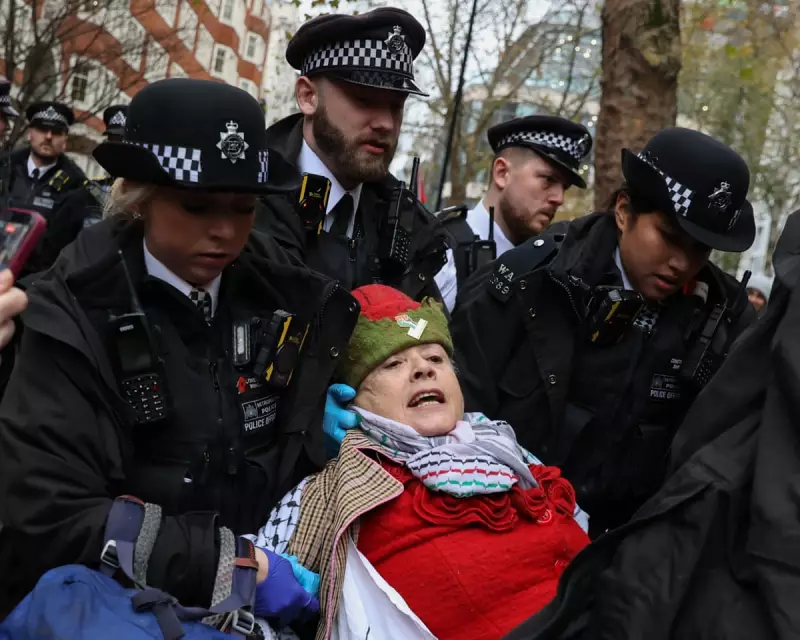
Two major human rights organisations have issued stark warnings that the fundamental right to protest is being systematically eroded in England and Wales. Reports from Human Rights Watch and the cross-party law reform group Justice, published simultaneously, argue that recent legislative changes have created a chilling effect on peaceful dissent and should be repealed.
Legislative Watershed and a Chilling Effect
Both reports identify the Police, Crime, Sentencing and Courts Act 2022 and the Public Order Act 2023 as pivotal moments that criminalised swathes of previously lawful protest activity. These laws shifted the focus towards preemptive containment through criminal law, granting police broad new powers.
Human Rights Watch criticises provisions that allow police to impose conditions on assemblies for being too noisy or causing "serious unease," labelling these grounds as "vague and subjective." Justice highlights how individuals can now be arrested for carrying commonplace items like cable ties or glue on suspicion of intent to "lock-on," a power that has led to controversial detentions.

Case Studies: From Coronation to Courthouse
The reports cite multiple high-profile examples of the crackdown. Republic anti-monarchy protesters were arrested during King Charles’s coronation for possessing plastic ties, which they stated were for placards. The Metropolitan Police later apologised.
Furthermore, hundreds of pro-Palestinian protesters have been arrested across the UK since the Palestine Action group was proscribed under the Terrorism Act in 2024. A solicitor noted the police approach often seems to be "arrest first and decide later."
In a notable legal case, retired social worker Trudi Warner was charged with contempt of court for holding a sign outside a court reminding jurors of their right to acquit. The High Court dismissed the case as "fanciful."
Harsh Sentences and Calls for Reform
Justice and Human Rights Watch also point to the severe sentencing of climate activists. In 2024, five Just Stop Oil activists received sentences of between two and five years for planning a protest on a Zoom call—believed to be the longest UK sentences for non-violent protest. Although reduced on appeal, the terms were widely condemned.
The organisations argue the law has been "fundamentally reshaped" from a duty to facilitate protest towards a system of control. They call for an urgent review of protest legislation, which they say contravenes international human rights obligations, and demand that proposed further restrictions—including bans on face coverings—be scrapped.
In response, a Home Office spokesperson stated the right to protest is fundamental and announced an independent review of public order legislation to "strike the right balance."