Third Wave of 'No Kings' Protests Scheduled for Spring Across US
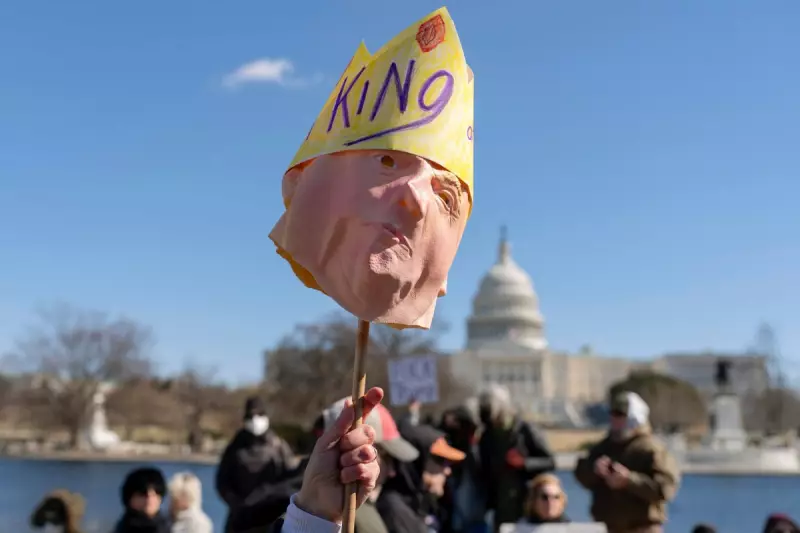
Organisers have announced plans for a third round of nationwide "No Kings" protests this spring, with expectations that these demonstrations will become the largest in American history. The movement, which coordinates a constellation of activist groups across the country, represents a sustained focal point for public outrage against what participants describe as growing authoritarianism under President Donald Trump.
Minneapolis Crackdown Fuels Protest Momentum
The planned protests have gained renewed urgency and focus following recent violent clashes in Minneapolis, where Trump's immigration enforcement crackdown resulted in the deaths of two individuals. Organisers explicitly cited these events as a catalyst for expecting significantly greater participation when marches commence on March 28th.
"We expect this to be the largest protest in American history," declared Ezra Levin, co-executive director of the nonprofit organisation Indivisible, during an announcement to The Associated Press. Levin projected that as many as nine million people could participate nationwide, surpassing previous turnouts that already numbered in the millions.

From Planned Demonstrations to Direct Response
While this third wave of protests had been in development before the Minneapolis crackdown, organisers confirmed that the fatal incidents have fundamentally refocused their plans and messaging. Levin emphasised that the marches now aim to demonstrate "support for Minnesota and immigrant communities all over" while opposing what he characterised as "the secret police force that is murdering Americans and infringing on their basic constitutional rights."
"This is in large part a response to a combination of the heinous attacks on our democracy and communities coming from the regime, and a sense that nobody's coming to save us," Levin explained, framing the protests as a necessary civic response rather than partisan opposition.
Evolution of a Protest Movement
The "No Kings" movement first emerged in June with rallies organised in nearly two thousand locations nationwide. These initial protests responded to federal immigration raids and Trump's deployment of National Guard and Marine units to Los Angeles, where tensions escalated dramatically with protesters blocking freeways and setting vehicles ablaze.
A second wave occurred in October across approximately 2,700 cities and towns, with organisers pointing to Trump's sweeping immigration policies, unprecedented promises to use federal power to influence midterm elections, restrictions on press freedom, and retribution against political opponents as cumulative threats to constitutional rights.
The movement's name directly challenges Trump's repeated denials of monarchical aspirations, with organisers previously characterising a military parade marking the Army's 250th anniversary as a symbolic "coronation" indicative of presidential overreach.
Administration Response and Broader Context
The Trump administration has consistently dismissed the protest movement, with both the president and official White House social media accounts mocking previous demonstrations through computer-generated images of Trump wearing a crown. Following the Minneapolis deaths, Trump has broadly defended his aggressive deportation campaign while blaming local officials for non-cooperation, though he has recently signalled some response to bipartisan concern over the incidents.
Conservative politicians have previously condemned the protests as "Hate America" rallies, creating a polarised response to what organisers insist transcends traditional partisan divisions.
Sustained Resistance Beyond Headline Events
While the large-scale protest days generate significant media attention, Levin emphasised that participating groups remain committed to sustained organising efforts between major demonstrations. This includes ongoing training sessions and intermediate-level coordination aimed at building what he described as "sustainable resistance" to administration actions.
"This isn't about Democrats versus Republicans," Levin asserted. "This is about do we have a democracy at all, and what are we going to tell our kids and our grandkids about what we did in this moment? I think that demands the kind of persistent engagement."

As preparations advance for the spring demonstrations, the "No Kings" movement continues to position itself as a broad-based response to perceived democratic erosion, with the Minneapolis events adding tragic immediacy to their longstanding concerns about executive power and constitutional protections.