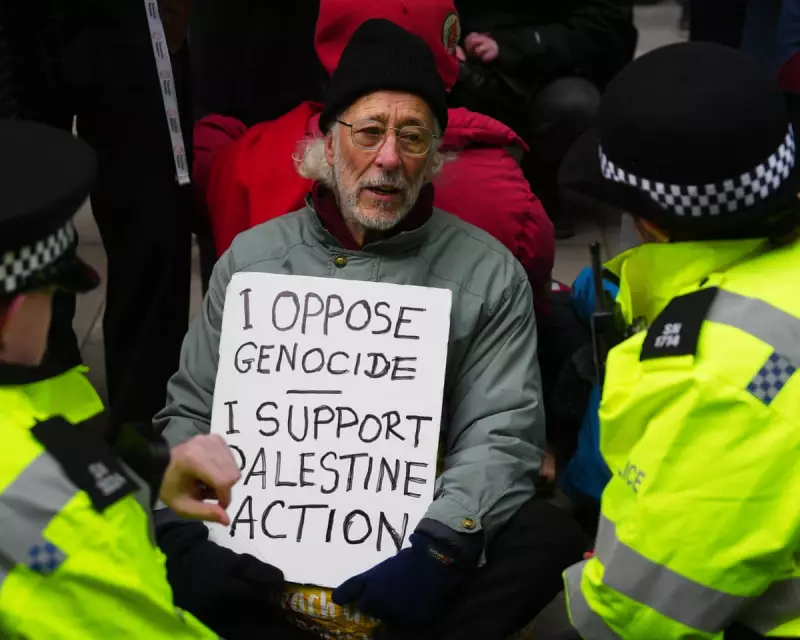
A senior human rights researcher has issued a stark warning that the United Kingdom is following a dangerous path reminiscent of democratic backsliding in Hungary under Prime Minister Viktor Orbán.
A Chilling Sense of Déjà Vu
Lydia Gall, a senior Europe researcher at Human Rights Watch, states that watching recent developments in the UK brings an uneasy sense of recognition. Having witnessed the slow erosion of the rule of law in Hungary, Gall notes it began not with dramatic acts but with incremental legal changes that narrowed space for dissent, each step justified as reasonable until democracy itself felt hollow.
In the UK, this pattern is emerging through legislation like the Police, Crime, Sentencing and Courts Act 2022 and the Public Order Act 2023. These laws grant police extensive powers to restrict demonstrations, criminalise peaceful tactics like slow marching, and make arrests on vague grounds of potentially causing serious disruption or unease.

The result has been hundreds of arrests, with many protesters facing prosecution. Courts have handed down fines and, in some cases, lengthy prison sentences for peaceful activities, creating a significant chilling effect on public dissent.
From Balance to Control: The Hungarian Parallel
While officials argue the measures are about balance and public order, Gall contends the balance has tipped decisively towards control. Protesters and legal observers report confusion over what is lawful, inconsistent police instructions, and arbitrary arrests—even when demonstrations are pre-coordinated with authorities.
This trajectory mirrors the Hungarian experience, where authoritarianism took root through the steady consolidation of government power. Under the guise of preserving order and safety, the Orbán government restricted public gatherings, silenced critics, and systematically undermined independent institutions from the judiciary to the media.
Hungary’s experience shows how fragile democracy becomes when legal safeguards erode, and how quickly neutrally worded laws can become instruments of repression.
A Warning for Britain's Future
The danger of vague legislation handing discretion to the executive was highlighted last year when the High Court ruled that then Home Secretary Suella Braverman acted unlawfully by lowering the protest threshold. The Labour government’s subsequent decision to defend these unlawful regulations in court, rather than repeal them, signalled a cross-party instinct to control dissent.
This expansion of state power has extended beyond street protests. The proscription of the group Palestine Action as a terrorist organisation marked an alarming phase, conflating civil disobedience with extremism—a tactic criticised by UN experts for blurring the line between legitimate activism and terrorism.
Gall warns that today’s anti-disruption powers could tomorrow be used to suppress strikes, silence journalists, or target minority communities. Laws outlast governments, and frameworks that curtail rights are often expanded and weaponised by those who find them convenient.
The researcher concludes that UK authorities must change course by repealing the most repressive elements of recent protest laws, ending suspicion-less stop and search, and ensuring transparency. Freedom of assembly is not a government gift but a right that protects citizens from their governments. Britain, she urges, should not have to learn this lesson the hard way by looking at Hungary’s example.