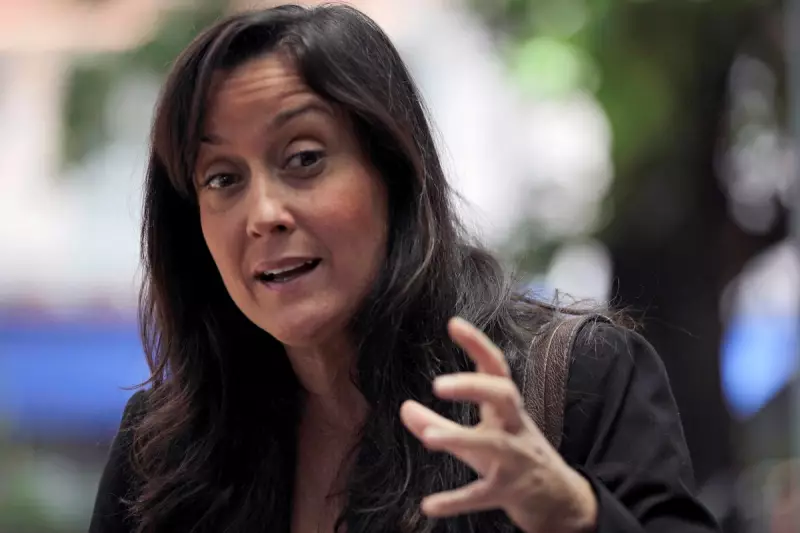
Venezuela has released prominent human rights activist Rocio San Miguel, marking the first confirmed liberation in a major prisoner release announced by the country's top lawmaker. The move signals a potential shift in the nation's political landscape, which has been in turmoil since the United States ousted President Nicolás Maduro.
First Confirmed Release Amid Political Upheaval
Rocio San Miguel, a Venezuelan-Spanish expert on security and defence matters, was freed according to sources within both the Spanish government and the Venezuelan opposition. Her release follows a public announcement by Venezuela's top lawmaker, Jorge Rodriguez, who stated that a significant number of foreign and Venezuelan prisoners would be freed in the coming hours.
San Miguel's detention in February 2024 at Maiquetia international airport near Caracas drew widespread condemnation from opposition figures and human rights groups on social media. Her case became a symbol of the government's alleged crackdown on dissent.

Background of Widespread Detentions
For years, Venezuela's opposition and human rights organisations have accused the government of using detentions to suppress political dissent and silence critics. They argue that arbitrary legal proceedings against activists, journalists, and opposition politicians intensified around the disputed 2024 elections.
Following those elections, Venezuelan authorities reported arresting approximately 2,000 people for involvement in protests. Despite several mass releases since then, the local rights group Foro Penal estimates that 863 political prisoners remain in the country, including individuals detained before the vote. This figure includes at least 86 foreign detainees from nations including the United States and Spain.
Government officials, including Attorney General Tarek Saab, have consistently denied holding political prisoners, asserting that all detainees were arrested for criminal offences.
International Context and Reactions
The prisoner release unfolds against a complex international backdrop. The United States removed President Nicolás Maduro from power, leading to his arraignment in New York on narcoterrorism charges. Interim President Delcy Rodríguez was subsequently sworn in.
Concurrently, the US has plans to refine and sell up to 50 million barrels of Venezuelan crude oil under sanctions. In a significant political development, the US Senate advanced a resolution to prevent President Donald Trump from taking further military action against Venezuela without congressional approval.
Spain's Foreign Ministry welcomed the release of five Spanish citizens, one with dual nationality, who are now preparing to travel to Spain. In a statement, the ministry described the releases as "a positive step in the new phase that Venezuela is entering." Nobel Peace Prize winner and opposition leader Maria Corina Machado, who has several close allies imprisoned, has been a vocal advocate for such releases.