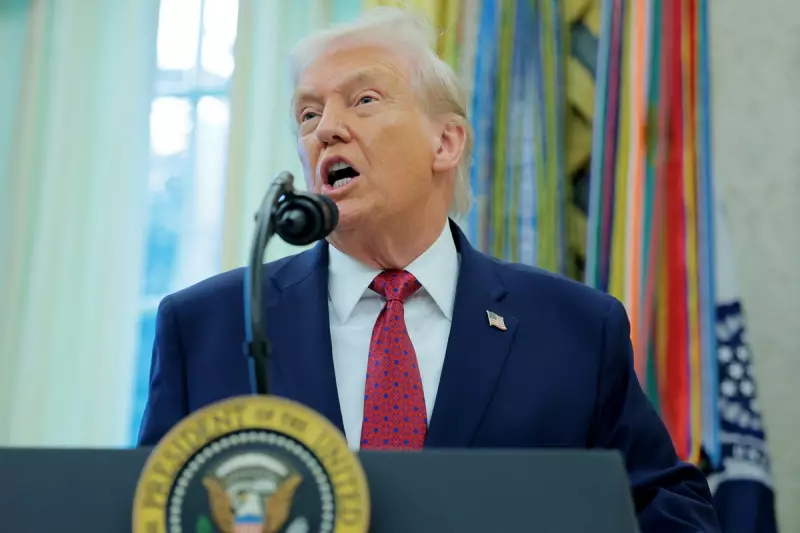
Former US President Donald Trump's staggering $10bn defamation lawsuit against the BBC is built on shaky legal ground and faces significant obstacles to success, according to a leading media lawyer. The claim, filed in a Florida court, centres on an edited segment in a Panorama documentary broadcast just before the 2024 US election.
The Core of the Controversy
The legal action stems from a Panorama programme that spliced two separate clips from a speech Mr Trump delivered on 6 January 2021. The edit created the impression he told a crowd: "We’re going to walk down to the Capitol … and I’ll be there with you. And we fight. We fight like hell." Trump's legal team argues this edit was "false and defamatory" and that the broadcaster "intentionally and maliciously" sought to mislead its global audience.
The BBC has stated it will vigorously defend the case. The scandal, first revealed by The Telegraph, triggered a major crisis within the corporation, leading to the resignations of BBC director general Tim Davie and CEO of BBC News Deborah Turness.

Jurisdiction: The 'Fundamental Flaw'
International media lawyer Mark Stephens of Howard Kennedy identifies jurisdiction as the primary weakness in Trump's claim. The former president cannot sue in a British court as the one-year statute of limitations for UK defamation claims has passed. His lawyers filed the case in Florida instead.
"Jurisdiction is the magic element here," Stephens told The Independent. For the Florida court to have authority, Trump's team must prove the Panorama episode was published in the USA, ideally in Florida, that someone there saw it, and that those viewers thought worse of him as a result.
The lawsuit suggests people in Florida could have accessed the programme via the Britbox streaming platform or by using a VPN to bypass geo-blocking. However, Stephens notes a critical omission: "What is notable in its absence from the lawsuit, in all its 87 pages, is any evidence that it was published to anybody and anybody who watched it thought less of Donald Trump."
The High Bar of US Defamation Law
US libel law presents further formidable hurdles. Unlike in the UK, the burden of proof rests entirely on the claimant. As a public figure, Trump must demonstrate not only that the claim was false and defamatory but also that the BBC acted with "actual malice"—meaning it knew the edited statement was false or recklessly disregarded the truth.
Stephens argues this element is conspicuously absent. "They have to show that the BBC acted, knowing the truth, and deliberately turned their eyes away from it, and put in a deliberate falsehood. That isn't a conceivable element," he stated. Proving tangible, material harm caused by the broadcast is another essential component that the filed complaint reportedly fails to establish.
The next legal step involves serving the claim to the BBC. Stephens believes the corporation could have parts of the lawsuit struck out early, potentially limiting its legal costs to around $200,000. If the case proceeded to a full trial, he estimates costs could reach approximately $1 million, dismissing other estimates running into tens of millions as "rubbish."