Army Leadership Admits Failing Teenage Soldier Who Died After Queen's Funeral Duties
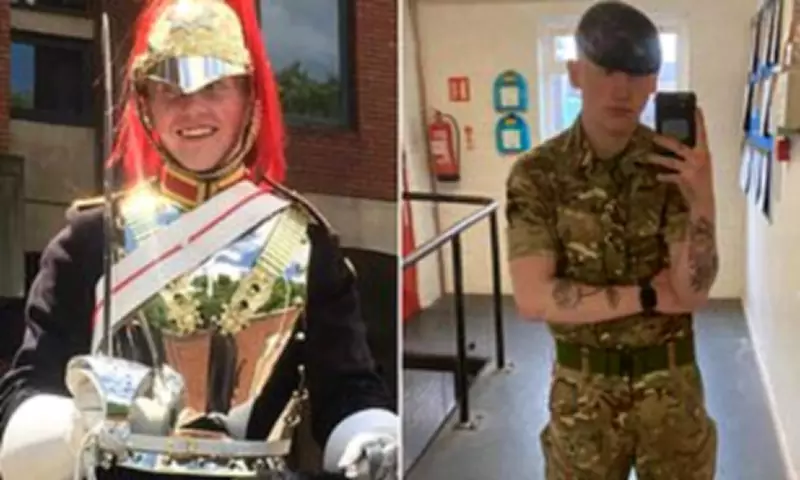
A teenage soldier found hanged in his barracks after suffering extreme work-related stress was failed by the Army, a senior commander has admitted following a coroner's investigation. Household Cavalry Mounted Regiment Trooper Jack Burnell-Williams, aged just 18, was discovered deceased at Hyde Park Barracks in London on September 28, 2022, mere days after participating in the historic escort of Queen Elizabeth II's coffin during the state funeral.
Coroner's Findings Reveal Excessive Workload and Systemic Failures
The inquest at Inner West London Coroner's Court concluded that Mr Burnell-Williams, originally from Bridgend in Wales, did not possess a settled intention to end his own life but was 'plainly under stress' due to overwhelming work pressures. Assistant coroner Bernard Richmond ruled the death resulted from misadventure, describing it as 'completely out of all character' and likely 'an expression of frustration and despair' rather than a planned suicide.
The hearing revealed the young trooper had been burdened with an excessive workload in his position, receiving insufficient time off to visit his family in Wales or see his girlfriend Molly Holmes. During the period surrounding Queen Elizabeth's funeral, he was assigned more duties than any of his colleagues because superiors viewed him as particularly dependable and capable.

Military Commander Offers Profound Apology to Grieving Family
Brigadier Rupert Evetts, commander of the Household Cavalry, has extended the armed forces' 'deepest and most heartfelt condolences' to the soldier's family. In a formal statement, he acknowledged: 'The Army fully accepts the coroner's conclusion and the failures identified in the service inquiry report. We failed Jack, and we failed you. For that, we are profoundly sorry.'
The brigadier emphasized that Jack Burnell-Williams was 'a soldier with tremendous potential and enthusiasm' who demonstrated 'real passion for serving his country.' He outlined several corrective measures already implemented, including reduced soldier workloads, simplified kit preparation procedures, enhanced leadership training to foster safer environments, and improved conditions at Hyde Park Barracks.
Family's Heartbreaking Testimony Describes 'Impossible Working Environment'
Jack's mother Laura Williams delivered an emotional statement on behalf of the family, describing how her son 'tried his best to cope within an impossible working environment.' She noted that after joining the Household Cavalry at age 18, he 'selflessly conducted more duties than any other trooper without complaint' while working 'gruelling hours' that left him exhausted and isolated from loved ones.
'The light inside him slowly dimmed and his cheeky smile faded after he joined the Army,' Mrs Williams revealed in written testimony read during proceedings. Despite their pride in seeing him participate in the Queen's funeral procession—'one of our proudest moments'—the family now demands the Army 'reflect and learn from Jack's death to make life better for those serving.'
Systemic Issues Within Ceremonial Regiment Exposed
The inquest uncovered concerning practices within the prestigious Household Cavalry Mounted Regiment, where troops reportedly worked up to 14-hour days due to extensive kit-cleaning duties and sometimes endured 14 consecutive days without breaks. A culture existed where individuals felt compelled to 'pull their weight,' and stigma surrounded seeking welfare support at the Knightsbridge barracks.
Coroner Richmond highlighted the 'frankly ridiculous hours' expected of troop members and noted that everyone involved in preparing for ceremonial duties 'must have been exhausted.' The deceased soldier had reportedly expressed interest in transferring to the Welsh Guards, potentially seeking relief from the intense pressures of his current posting.

Army Implements Reforms Following Service Inquiry
Military authorities have confirmed they are acting upon recommendations from a comprehensive service inquiry report conducted after the tragedy. Of thirty-six suggested changes, twenty-six have already been implemented, including reduced soldier workloads through civilian staff assistance, simplified kit preparation processes, and improved duty rotation systems among all personnel.
Additionally, only horses required for ceremonial duties will now be stabled in London, reducing logistical burdens. Veterans and people minister Louise Sandher-Jones stated: 'This inquest challenges the Army and all of us in senior leadership positions in defence to do more to protect young soldiers.'
Jack Burnell-Williams died just nine days after participating in the late Queen's state funeral procession, an event his father Daniel Burnell described watching 'with tears of joy running down my face.' The family remembers him as someone who 'brought so much joy to everyone he met' and who 'achieved more in his short lifetime than many do in a full one.'