BBC Presenter Sparks Fury Over 'Political Destruction' Comments
BBC presenter Nick Robinson has ignited a fresh controversy within the national broadcaster after claiming there exists a political campaign aimed at "destroying" the Corporation. The remarks came during Radio 4's Today programme, where Robinson acknowledged genuine concerns about editorial standards while simultaneously alleging coordinated efforts to bring down the BBC.
The comments were swiftly condemned by former Prime Minister Boris Johnson, who described them as "ridiculous" and "arrogant." Johnson, who recently vowed to withhold his licence fee over impartiality concerns, stated: "There is a difference between trying to destroy the BBC and trying to hold it to account. This is just a diversionary tactic from an organisation that is too arrogant to think it might be at fault."
Internal Dossier Reveals Serious Bias Allegations
The controversy emerges as the BBC faces mounting pressure following an internal dossier that exposed multiple incidents of apparent bias in the Corporation's reporting. The document, compiled by former journalist Michael Prescott and submitted to the BBC board, highlights several concerning cases including BBC Panorama's editing of a Donald Trump speech.
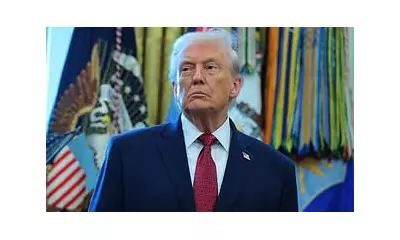
The dossier alleges that Panorama "doctored" Trump's address to create the false impression that the former US President directly incited violence during the Capitol riots on January 6, 2021. Crucially, the programme omitted Trump's instruction for supporters "to peacefully and patriotically make your voices heard."
Additional concerns raised in the report include BBC Arabic's coverage of Gaza and ongoing disputes about impartiality in reporting transgender issues and women's rights. The revelations have prompted serious diplomatic concerns, with sources suggesting the BBC could face exclusion from White House access and potential legal action from Trump's team.
Broadcasting Heavyweights Enter the Fray
Former Sky presenter Colin Brazier criticised Robinson's approach, suggesting BBC presenters should refrain from publicly criticising former prime ministers while drawing salaries from the compulsory licence fee. "If you want to enter the fray, wait until you stop drawing a salary from a licence fee the public is forced to pay," Brazier wrote.
Robinson, who earns £410,000 annually as the Corporation's fourth-highest-paid presenter, later expanded on his comments via social media. He emphasised the challenging landscape facing public broadcasters, citing deep divisions over issues including Gaza/Israel conflicts, trans and women's rights, and Donald Trump's politics.
"We live in a time of deep divisions," Robinson tweeted. "The BBC like many public organisations faces competing pressures about how we should navigate these treacherous waters. We, like others, undoubtedly make mistakes. We, like others, need to listen & learn."
Leadership Under Fire as Crisis Deepens
BBC director-general Tim Davie faces increasing scrutiny over his handling of the bias allegations, with critics accusing him of "inaction" regarding the Trump speech controversy. The Prescott report suggests Davie was aware of concerns about the Panorama segment since May, with the matter discussed at a board meeting ten days before public revelation.
Danny Cohen, the BBC's former director of television, described the situation as potentially marking "the end for the BBC" and questioned the leadership's viability. "Tim Davie and Samir Shah have known for at least six months that Panorama faked a Trump speech but they remained silent," Cohen stated.
The Corporation has confirmed that chairman Samir Shah will provide a comprehensive response to Parliament's culture, media and sport committee, with reports indicating an apology for the misleading Trump speech editing will be included.
Meanwhile, BBC staff continue to express discontent after newsreader Martine Croxall faced censure for correcting "pregnant people" to "women" during a broadcast. The Executive Complaints Unit ruled she breached impartiality rules, further fuelling internal tensions about editorial freedom and political correctness.
As the crisis intensifies, Tory chairman Nigel Huddleston warned the BBC against "picking a fight with its licence payers," emphasising that the broadcaster's justification for public funding depends on maintaining trust and impartiality standards.