Navigating political conversations within families can be fraught, especially when generational divides and differing life experiences come into play. This is the challenge faced by a grandmother who wrote to advice columnist Eleanor Gordon-Smith, seeking a way to communicate with her conservative grandsons who dismiss her views as "fuzzy thinking."
The Heart of the Divide: Belief vs. Feeling
In her response, Gordon-Smith identifies a crucial but often overlooked aspect of political disagreement. We frequently analyse politics through the lens of beliefs and ideologies, but a neglected part of our differences is whether we truly know how certain life experiences feel. The columnist suggests that much of what informs our political stance is not just knowing facts, but understanding the visceral reality of being sick, poor, afraid, or confronting uncontrollable change.
The grandmother's concern centres on her grandsons' perceived lack of this experiential knowledge. She describes them as lovely and kind men who believe they "pulled themselves up by their bootstraps," yet she notes they had familial support and help with university. Their setbacks, she feels, haven't granted them insight into how difficult life can be when one is truly "down and out."

"I Can Explain It, But I Can't Understand It For You"
Gordon-Smith uses a teacher's aphorism to frame the core issue: "I can explain it to you, but I can't understand it for you." This highlights the fundamental barrier. The knowledge gained from lived experience cannot be transferred through description alone. Having someone explain hardship is not the same as living through it.
However, the columnist argues this need not prevent mutual respect, provided people recognise the limits of their own understanding. The problem arises when individuals are unaware of what they don't know. She draws a parallel to education, where confronting one's own incompetence is often the first step toward learning.
A Path Forward: Sharing the "What It's Like"
Instead of engaging in stereotypical generational arguments, Gordon-Smith proposes a strategic alternative. She advises the grandmother to find ways to show her grandsons the depth of what they don't know. This could involve posing questions to which they have no answer or, more powerfully, sharing vivid narratives from her own life and the lives of people she has known.
By explaining the "what it's like"—the emotional and practical realities behind her political perspectives—she can help them see her experience as a form of credential, rather than evidence of a fuzzy mind. The goal isn't to give them her experiences, which is impossible, but to help them see that their own life story does not constitute a complete political theory. This approach, focusing on shared human vulnerability, may open a path to more respectful and meaningful dialogue across the political and generational chasm.
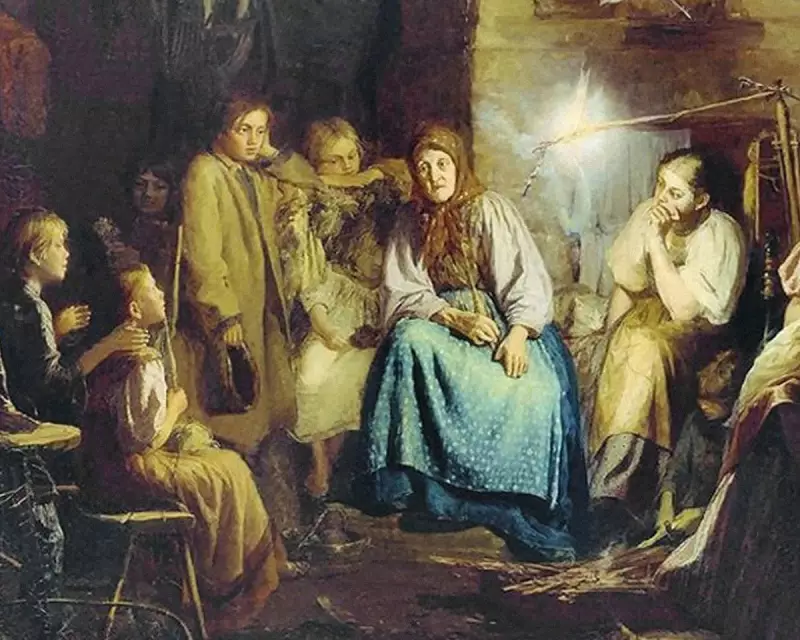
The original reader's letter was edited for length. The advice column, titled "Leading questions," was written by Eleanor Gordon-Smith and references the painting Grandma's Tales by Vassily Maximov from 1867.