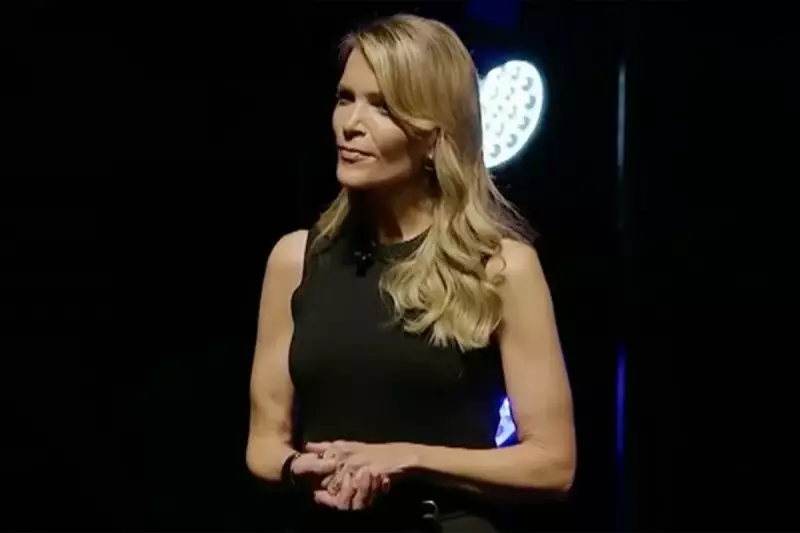
A significant and public rift within the American conservative movement has deepened, with commentator Megyn Kelly launching a fierce attack on fellow media figures Ben Shapiro and Bari Weiss. Kelly has controversially accused the pair of "making antisemites" through their unwavering and vocal support for Israel.
The Core of the Controversy
The dispute erupted after Ben Shapiro criticised Megyn Kelly for what he termed her "cowardice". This stemmed from her refusal to denounce conspiracy theories promoted by far-right personality Candace Owens. Owens has circulated baseless claims about the alleged assassination of Turning Point USA founder Charlie Kirk, suggesting involvement by Israeli government figures and senior staff from the conservative youth organisation.
In response, Kelly defended Owens's right to question potential Israeli involvement. She turned the tables on Shapiro and Weiss, accusing them of attempting to "cancel" Owens and censor any criticism directed at Israel. Kelly's central argument is that their aggressive defence of Israel is, paradoxically, creating more antisemitism by stifling legitimate debate and alienating others within their political sphere.

A Wider Conservative Schism
This heated exchange is not an isolated incident but a symptom of a much broader and unresolved division within the MAGA-aligned faction of conservatism. The fault line often centres on foreign policy, nationalism, and the boundaries of acceptable discourse. Other prominent figures like Tucker Carlson and Steve Bannon have also been drawn into related disputes, highlighting how the movement is grappling with internal ideological conflicts.
The public nature of this clash, playing out across podcasts and social media, underscores that these are not private disagreements but a battle for the direction and soul of a significant part of the American right. The involvement of figures associated with Turning Point USA further points to a generational and strategic split within conservative activism.
Implications and Unresolved Tensions
The fallout from this argument reveals several key tensions. Firstly, it exposes a stark disagreement over how to address and define antisemitism within political discourse. Secondly, it highlights a struggle between a more traditional, ideologically rigid conservatism and a newer, more populist strand that is often sceptical of interventionist foreign policy.
As these influential media personalities continue to spar, the unresolved division threatens to fragment their audience and dilute their political influence. The episode on Tuesday 23 December 2025, marks another chapter in an ongoing saga that shows no immediate signs of resolution, leaving the future cohesion of the movement in question.