Norway's Olympic Triumph: A Lesson in Joyful Sports Culture
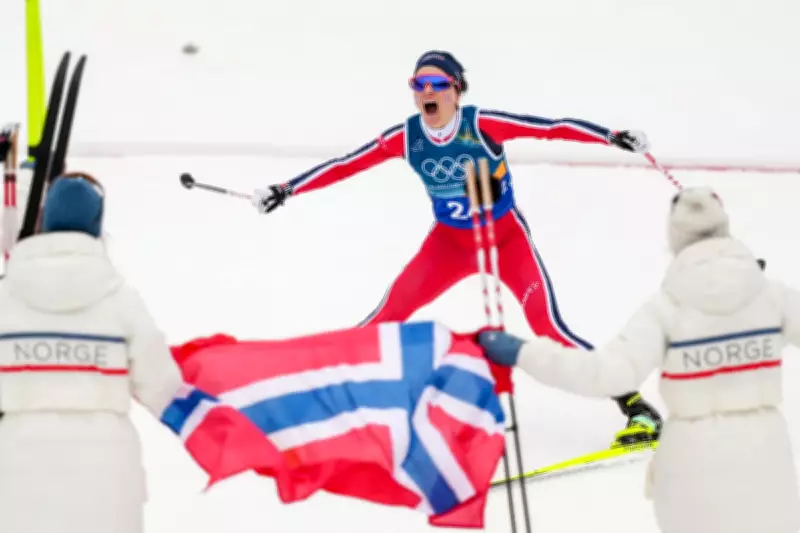
Heidi Weng's triumphant finish in the women's 4x7.5km cross-country skiing event at the Milano Cortina Winter Olympics symbolized Norway's commanding performance, helping the nation top the medal table with 18 golds and 41 medals overall. This small Nordic country of 5.6 million people has consistently dominated the Winter Games, leaving the global sporting community in awe of its sustainable and effective approach.
The Norwegian Model: Fun Over Competition
Reports highlight that Norway prohibits competitive sport for children under the age of 12, a stark contrast to systems like Britain's, which emphasize early talent identification, mini-leagues, and structured pathways. In Norway, the national youth sports strategy is built on the vision of "Joy of Sport for All," fostering an environment where sport is seen as a source of enjoyment rather than pressure.
This philosophy liberates coaches and volunteers from archaic tropes, allowing them to focus on creating joyous experiences. Norwegian children receive trophies regardless of performance, an idea often ridiculed in other countries as "soft" or "not real life." Yet, this approach has proven successful, producing elite athletes like Johannes Høsflot Klæbo, who won six gold medals at Milano Cortina and only entered the performance system at age 15 after enjoying a diverse sporting childhood.

Contrasting Systems: UK vs. Norway
In the UK, the national sports strategy "Get Active" feels more like a reprimand than an inspiring vision. While sport is mentioned in the National Youth Strategy, it lacks the emphasis on joy found in Norway. UK reports show fewer than half of children meet basic daily exercise requirements, with high dropout rates as they age. Conversely, Norway boasts 90% activity rates among young children, maintaining over 70% for teenagers.
Tore Øvrebø, Norway's director of elite sport, questions why other systems focus on eliminating young people rather than developing them. He states, "The biggest motivation for kids to do sports is that they do it with their friends and they have fun." Research in the UK confirms that children drop out when sport stops being enjoyable, underscoring the simplicity of Norway's approach.
Long-Term Benefits and Resilience
Norway's system avoids early specialization, investing consistently to ensure access for all children. Schools organize winter ski days, and families ski together on weekends, preventing the damaging separation of children into "talented" and "untalented" groups. This fosters resilient adults and elite athletes from thriving childhood experiences.
The Norwegian paradox is that by being less competitive, children learn about sport more effectively. A Norwegian friend in London noted that while the press celebrates hard-fought medals, they recognize it's misguided to run youth sport solely for competition. The UK's pyramids and pathways often mislead, creating a deep divide between fun and serious sport.
Call for Change in Youth Sports
Every coach and sports leader should work to undo the fiction that sport must involve suffering. Designing a national youth sports strategy around human flourishing, rather than competition, could transform outcomes. Coaching courses should focus on helping children love sport, ensuring they return to play throughout their lives.
This win-win approach would produce better athletes and healthier humans. Norway's success at the Winter Olympics, including strong performances at the Summer Games like Paris 2024 with four golds and eight medals overall, demonstrates that joy in sport is not just idealistic but practical and effective.