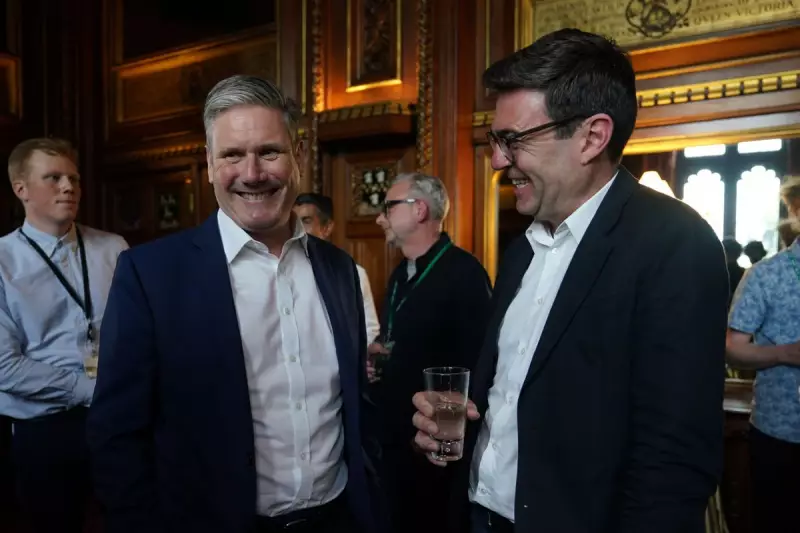
A new poll has revealed significant discontent within the Labour Party, showing that a majority of members would prefer to see Greater Manchester Mayor Andy Burnham replace Sir Keir Starmer as leader.
The survey, conducted by Survation for LabourList, asked 1,013 Labour members who they would support in a hypothetical leadership contest. It found that 58 per cent would back Mr Burnham, compared to just 32 per cent for Sir Keir.
Leading Contenders and Their Challenges
Mr Burnham is not the only senior figure seen as a potential successor. The poll indicates that former deputy prime minister Angela Rayner also holds a commanding lead over the current Prime Minister, favoured by 52 per cent to his 33 per cent. This is despite her recent resignation following a failure to pay approximately £40,000 in stamp duty.

Energy Secretary Ed Miliband, who led the party to defeat in the 2015 general election, is preferred by four points (44 per cent to 40 per cent). Health Secretary Wes Streeting, recently accused by Downing Street sources of plotting against the PM, also leads by a narrow margin of 33 per cent to 31 per cent.
However, both of the frontrunners face significant obstacles. For Ms Rayner, questions remain over whether sufficient time has passed since her resignation. For Mr Burnham, the primary challenge is his current position outside Parliament. Norwich South MP Clive Lewis recently offered to stand down to allow Mr Burnham to run for a seat, but this process could be too slow if a leadership contest were called imminently.
Speculation and Party Unrest
The leadership speculation intensified earlier this month after briefings from Downing Street targeted Mr Streeting. This has transformed what were once mildly discontented whispers into very real speculation about Sir Keir's future.
Emma Burnell, editor of LabourList, commented on the situation, stating, "This is the first polling of the Labour membership on this question since it burst into the open. It is clear that they are now openly questioning if Starmer is still the right person to lead the party."
She added that while Sir Keir's team has insisted he would contest any leadership challenge, the absence of an obvious, universally viable candidate might be his greatest source of security for now.
Struggling Hopefuls and Political Pressure
Not all potential candidates polled well against the incumbent leader. Home Secretary Shabana Mahmood, who has faced criticism for her tough asylum policies, would be soundly defeated by Sir Keir, with 50 per cent of members backing him versus just 16 per cent for her.
Similarly, Deputy Leader Lucy Powell, who won her position on a platform that criticised Sir Keir, would also lose, with 48 per cent supporting the PM compared to 30 per cent for her.
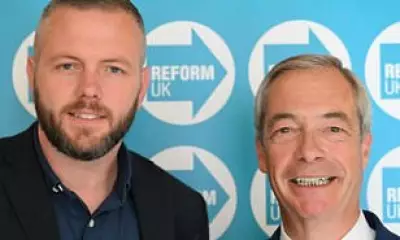
The political context for this internal unrest is stark. The Labour Party has fallen as low as fifth in some polls and now averages below 20 per cent support nationally, barely ahead of the Conservatives. The party faces pressure from both the right, with Nigel Farage's Reform party, and the left, from the Greens.
This has led to suggestions that Sir Keir could be forced out after the next local elections in May if the party's performance does not improve, despite his stated intention to lead through the next two general elections until 2034.