Fresh polling data has revealed widespread public opposition to trail hunting across the United Kingdom, piling pressure on the government to act on its manifesto pledge to outlaw the practice.
Strong Public Sentiment for a Ban
A survey commissioned by the League Against Cruel Sports found that a clear majority of the public believes trail hunting should be made illegal. The poll of over 2,000 respondents showed that 62 per cent support a ban, with just 24 per cent believing it should remain legal. This sentiment cuts across political and geographical lines, finding majority support in both urban and rural constituencies.
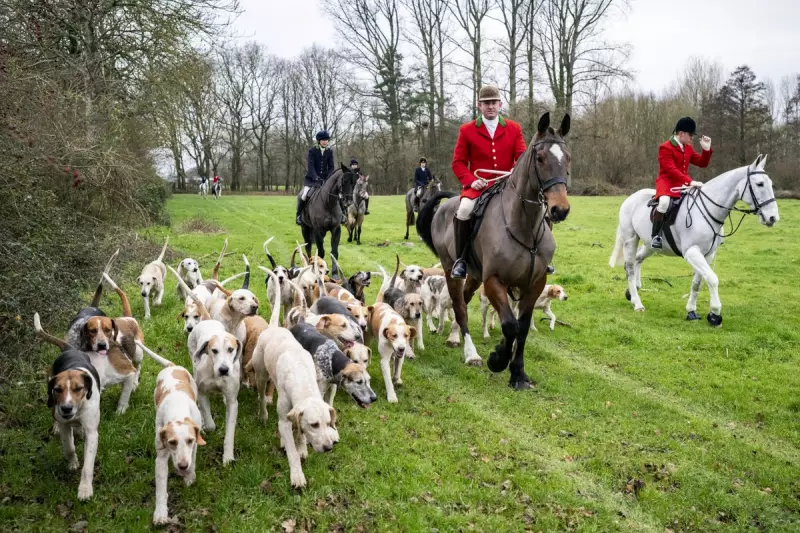
Trail hunting, where hounds follow a pre-laid artificial scent, was formally established after the Hunting Act 2004 banned the hunting of wild mammals with dogs. However, animal welfare campaigners have long argued it is frequently used as a 'smokescreen' for illegal fox hunting, allowing traditional hunts to continue under a different guise.

Political Promises and Frustrating Delays
The Labour Party included a commitment to ban trail hunting in its election manifesto. While the government has announced broader plans for animal welfare reforms that include such a ban, campaigners are growing increasingly impatient. There is significant frustration over delays in launching the promised public consultation, which is the necessary next step towards legislation.
This stalling has led to accusations that the government is dragging its feet on a key animal welfare policy. The issue is particularly sensitive following the traditional Boxing Day hunts, where participants have vowed to 'fight' any potential ban.
The Rural Backlash and Legislative Priorities
Opposition to the proposed ban is being spearheaded by rural organisations like the Countryside Alliance. They argue that in the face of significant challenges affecting country communities—from agricultural policy to rural services—pursuing hunting legislation is a misguided priority. They warn Prime Minister Sir Keir Starmer of a substantial rural backlash if the government proceeds, framing the issue as one of cultural identity and rural tradition versus urban political will.
Some campaigners are pushing for stringent penalties, suggesting the activity should be punishable by jail time, calling it a 'reckless' practice that endangers wildlife. With the polling data demonstrating strong public support for action, the government now faces a clear choice: accelerate its promised ban and risk alienating rural voters, or further delay and disappoint its own supporters and animal welfare groups. The path it chooses will be a telling early test of its resolve on environmental and rural policy.