Andrew Mountbatten-Windsor Arrested: A Historic Day for the Royal Family
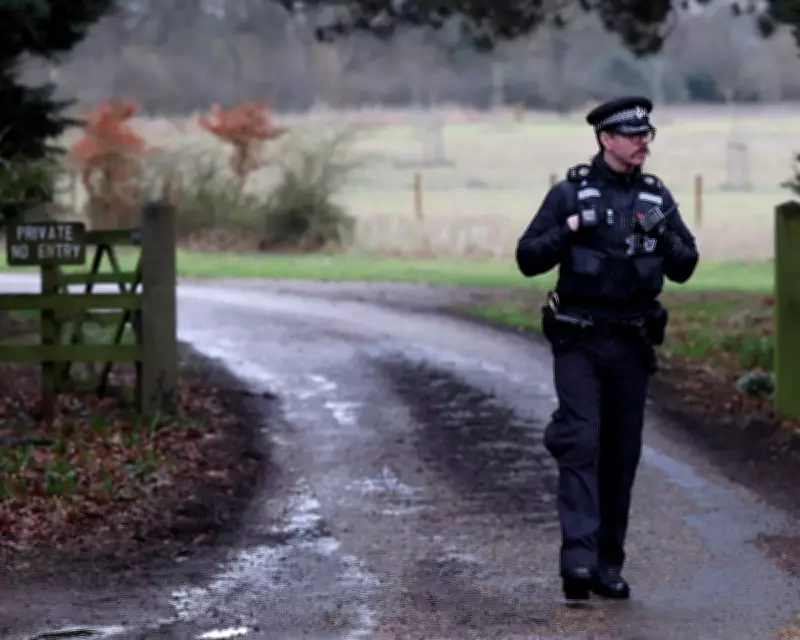
In a stunning turn of events, Andrew Mountbatten-Windsor, the former Prince Andrew, was arrested on the morning of his 66th birthday, marking the first time a senior member of the British royal family has been taken into police custody in modern history. The arrest occurred at Wood Farm on the private Sandringham estate in Norfolk, where plainclothes officers arrived in unmarked vehicles amidst late winter drizzle.
The Unfolding of a Shocking Morning
At approximately 8am on Thursday, a small fleet of unmarked police cars pulled up at Wood Farm, the temporary residence of Andrew Mountbatten-Windsor. Officers stepped out, prepared for a historic act that the royal family had likely anticipated and dreaded for weeks. Inside the house, Andrew may have been sitting down to a birthday breakfast, unaware of the ignominy that awaited him.
This arrest came exactly 66 years after his birth on 19 February 1960, when Queen Elizabeth II gave birth to her third child at Buckingham Palace. Now, stripped of his prince title and ostracized by many family members, Andrew faced the unprecedented humiliation of being arrested. Maj Gen Alastair Bruce, a historian and royal watcher for Sky News, described it as the "most shocking day for the British crown, to have a former prince of the blood arrested", adding that it was "about as critical as the institution could face". Other commentators labeled the event extraordinary, unprecedented, and a significant blow to the monarchy.

Police Actions and Official Statements
Following the arrest, Thames Valley police embarked on searches at multiple properties, including Andrew's former home at Royal Lodge in Windsor and other locations in Norfolk. In a statement, the police confirmed: "We have today arrested a man in his sixties from Norfolk on suspicion of misconduct in public office ... The man remains in police custody at this time." Oliver Wright, an assistant chief constable, emphasized the importance of protecting the investigation's integrity and objectivity, promising updates at the appropriate time.
King Charles was not informed in advance of his brother's arrest, but he quickly issued a formal statement at noon, making his position clear. He referred to Andrew by his full name, stating: "I have learned with the deepest concern the news about Andrew Mountbatten-Windsor and suspicion of misconduct in public office. What now follows is the full, fair and proper process by which this issue is investigated in the appropriate manner and by the appropriate authorities. In this, as I have said before, they have our full and wholehearted support and cooperation. Let me state clearly: the law must take its course." The Prince and Princess of Wales swiftly expressed their support for this stance, and Prime Minister Keir Starmer reiterated that "nobody is above the law", a sentiment echoed by other senior politicians.
Background and Allegations
The arrest follows the recent release of millions of documents by the US Department of Justice related to Jeffrey Epstein, the convicted sex offender who died in prison. Andrew was among Epstein's network of associates, and emails from the files suggest he forwarded sensitive government documents and commercial information to Epstein while serving as a UK trade envoy. This includes a confidential brief on investment opportunities in Helmand province, Afghanistan, sent on Christmas Eve 2010. Such actions potentially breach official duties of confidentiality, dealing another blow to the royal family's reputation for service and promoting British interests.
Andrew has consistently denied any wrongdoing, including allegations from Virginia Giuffre, who claimed he had sex with her when she was 17, facilitated by Epstein. He settled out of court with Giuffre for a reported £12 million, and she tragically took her own life last year. Her family released a statement on Thursday, saying: "Our broken hearts have been lifted with the news that no one is above the law – not even royalty .... He was never a prince. For survivors everywhere, Virginia did this for you."

Royal Fallout and Legal Implications
In November, King Charles took decisive action against his brother, stripping Andrew of his prince title and ordering him to vacate his 30-room home at Windsor. Andrew was excluded from royal Christmas celebrations at Sandringham, and his daughters are believed to have cut off contact. Despite this, he remains eighth in line to the throne, a position that cannot be revoked due to his royal bloodline.
Andrew had recently moved to Wood Farm while awaiting preparation of a new home on the Sandringham estate. On Thursday, he was likely taken to a police station for questioning under criminal caution, with officers searching for electronic devices that could provide evidence. His legal team advised him on the proceedings, and police consulted the Crown Prosecution Service regarding evidence strength.
Wendy Joseph KC explained on BBC Radio 4's World at One that misconduct in a public office is a complex charge, requiring proof of "wilful misconduct" with several legal hurdles. According to the CPS website, this offence carries a maximum sentence of life imprisonment. Police will decide whether to detain Andrew overnight, charge him, release him pending further inquiries, or take no further action.
Historical Context and Significance
While minor royal brushes with the law have occurred, such as Princess Anne's fine under the Dangerous Dogs Act in 2002, this arrest is unprecedented in modern history. The last royal arrest dates back to 1647 during the English Civil War, when Charles I was detained, convicted of high treason, and executed. This event underscores the gravity of the situation and its potential impact on the monarchy's future.
As the investigation continues, the royal family faces a pivotal moment, balancing tradition with legal accountability in a highly publicized case that has captivated global attention.