The British Broadcasting Corporation (BBC) is confronting one of its most significant crises in years, as a series of damaging scandals and a colossal legal threat from Donald Trump intensify the debate over its future funding model.
A Corporation in Crisis: Leadership Exodus and Legal Peril
The turmoil reached a crescendo this month with the dramatic resignations of two of its most senior figures: Director-General Tim Davie and CEO of News Deborah Turness. These abrupt departures came in the wake of fierce criticism directed at the BBC's flagship Panorama programme.
The controversy stemmed from an edit in a documentary concerning the Capitol Riot in January 2021. The programme was found to have spliced two separate sections of a speech by then-US President Donald Trump, creating the impression he had made a direct call for violence. This editorial decision has now placed the corporation in grave legal and financial jeopardy.

In a stunning escalation, Donald Trump is now threatening to sue the BBC for up to $5 billion. There are mounting concerns that should the case proceed or result in a settlement, the colossal financial penalty could ultimately be paid from taxpayer-funded coffers, placing a further burden on the public.
The Battle for the BBC Licence Fee
As argued by commentator Andrew Neil, this cascade of scandals arrives at a time when the corporation's very financial foundation is already looking precarious. The mandatory £174.50-per-year licence fee is becoming increasingly difficult to justify and enforce.
A key factor is a generational shift in media consumption. An ever-growing number of young people are switching off from traditional TV, opting for on-demand streaming services instead. This trend undermines the principle of a universal charge for watching live television.
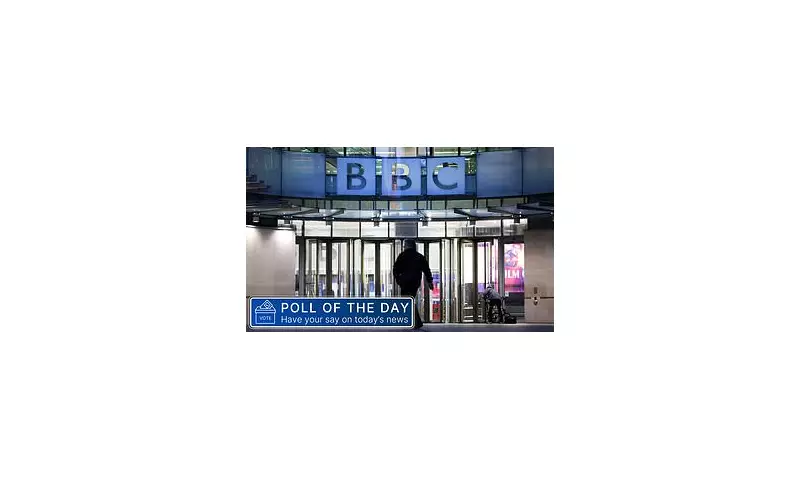
The combination of self-inflicted reputational damage and a changing media landscape has led to forceful calls for reform. The Daily Mail has directly put the question to its readers, asking whether the BBC licence fee should be abolished altogether.
Public Sentiment and the Wider Context
This is not the first time the publication has gauged public opinion on a major national issue. In a recent poll, Mail readers were asked: 'Should Britain have gone into Covid lockdown?' The result, from over 13,000 votes, saw 60 per cent answer 'no', with 40 per cent voting 'yes'. This indicates a readership willing to question official narratives, a sentiment that now extends to the future of the BBC.
The corporation now stands at a critical juncture. It must navigate a multi-billion dollar legal threat, restore public trust after a leadership crisis, and convincingly argue for the retention of its unique funding model in the face of powerful opposition and a rapidly evolving digital world.